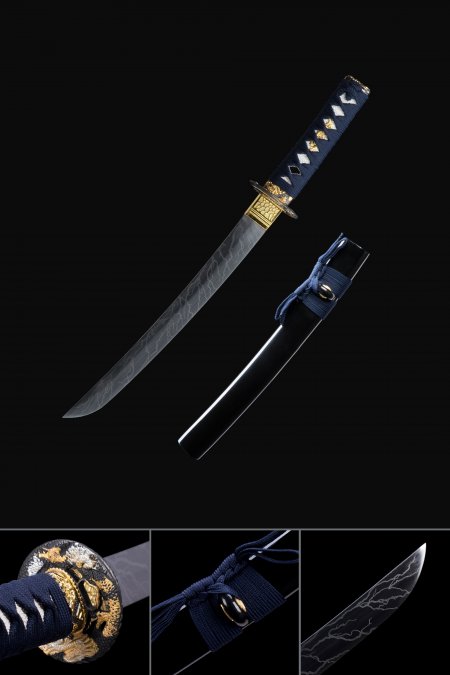
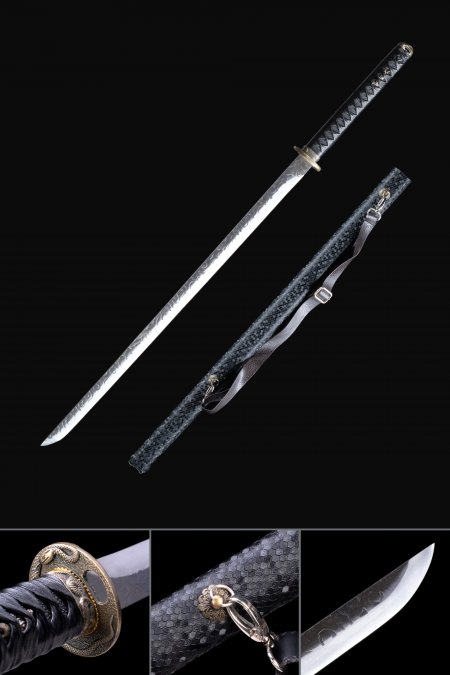
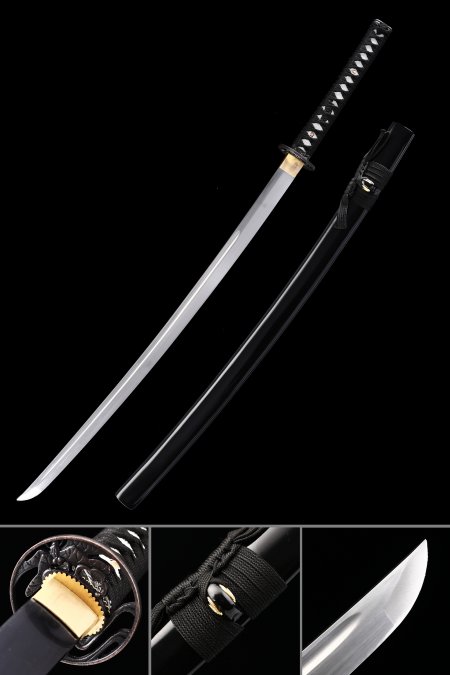
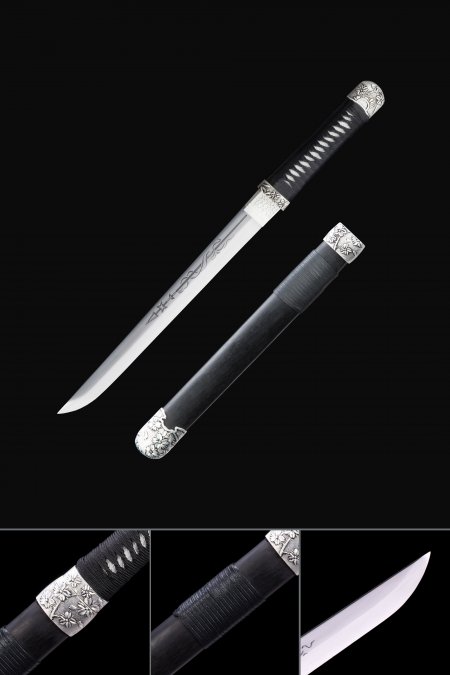
Why do real steel katana cost more than stainless steel decorative swords?
Updated Feb 2026
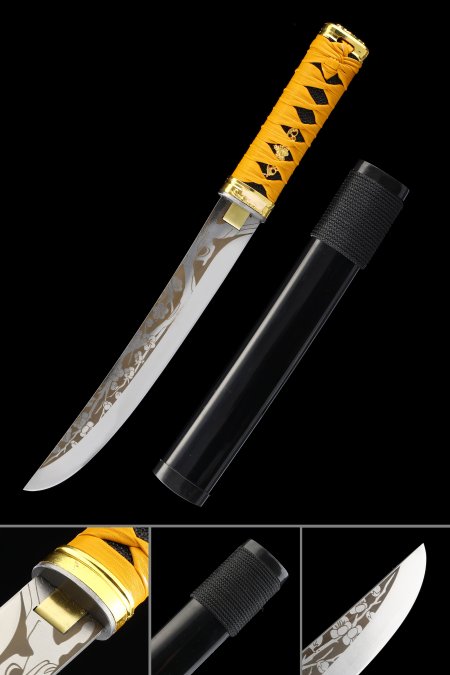
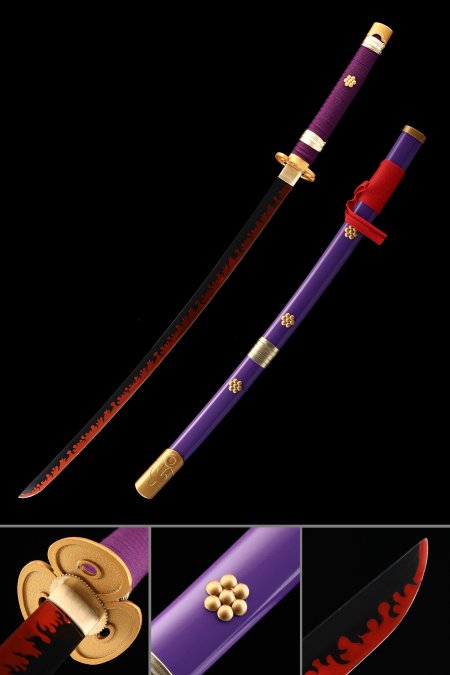
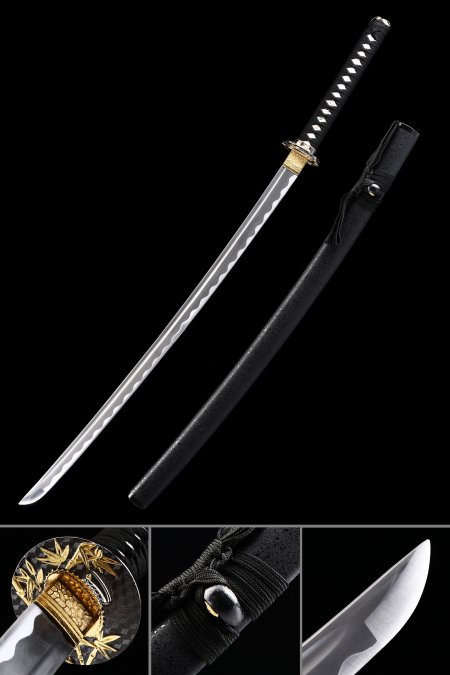
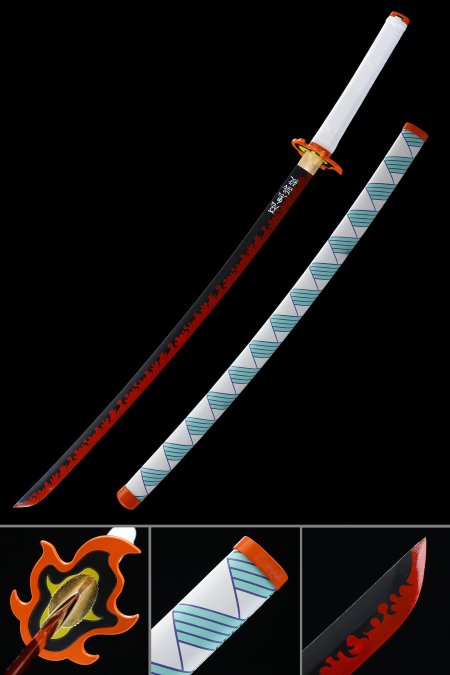
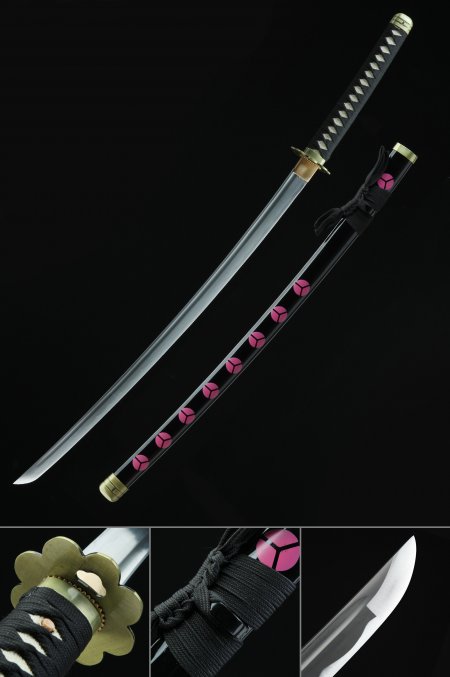
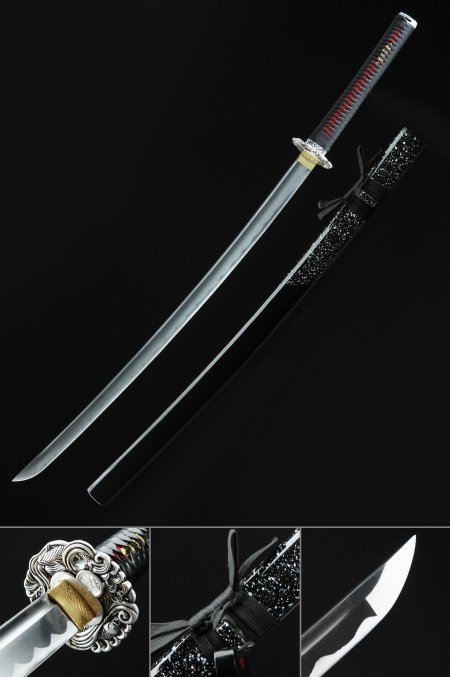
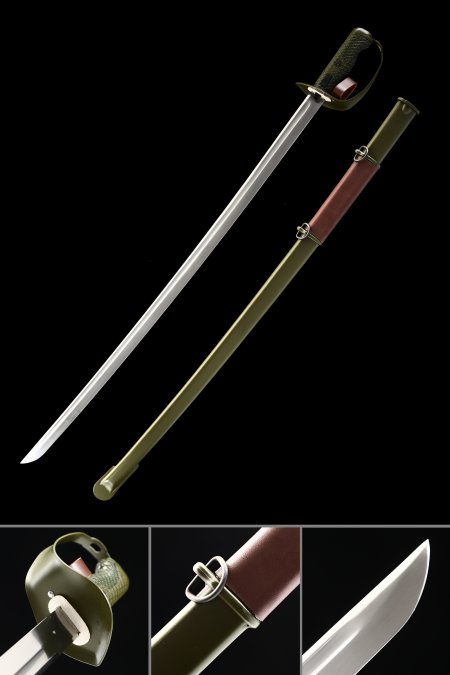
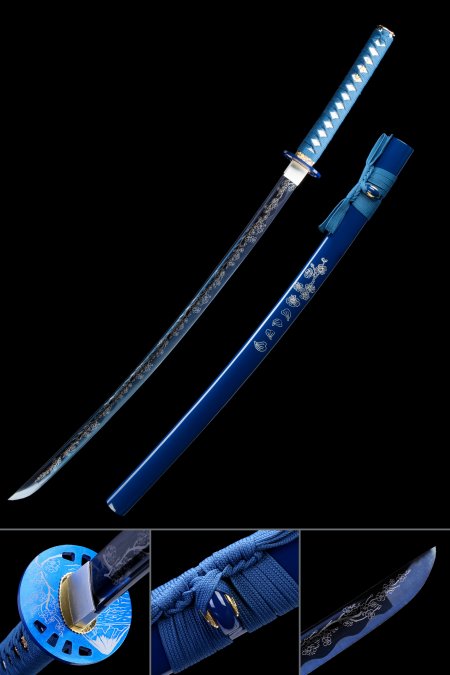
The price difference reflects the materials and labor involved. A real steel katana requires forging — heating carbon steel to over 800 degrees Celsius and hammering it into shape, which demands skill and time. The blade then undergoes heat treatment (hardening and tempering), grinding, and hand polishing. Premium pieces add differential clay tempering, which is an additional multi-step process. The handle is assembled with real fittings secured by hand, and the saya is carved from hardwood and lacquered. A decorative stainless sword, by contrast, is typically machine-cut from sheet steel, bolted into a cast handle, and fitted with a lightweight plastic or pressed-wood scabbard. The materials, labor hours, and skill level required for a forged katana are simply in a different category.