Which steel types achieve the finest hand-sharpened edges on ninjato, and does straight geometry aff
Updated Feb 2026
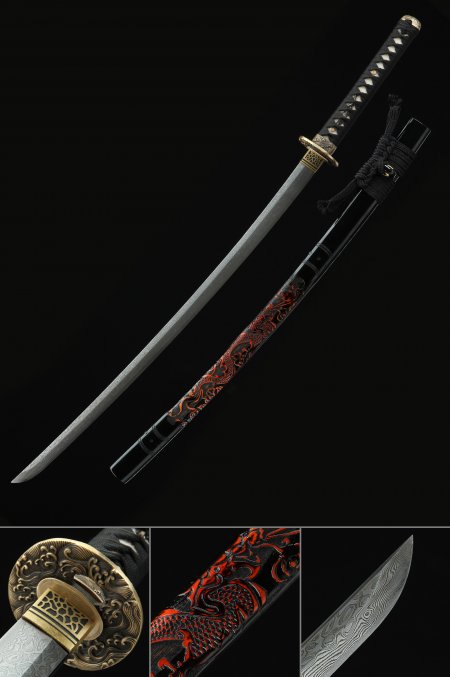
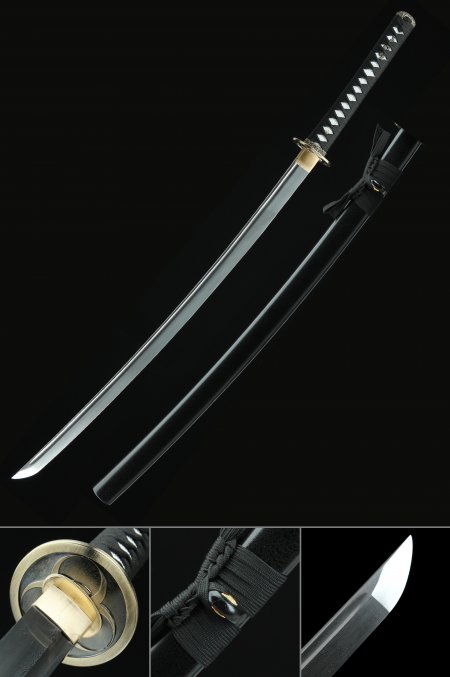
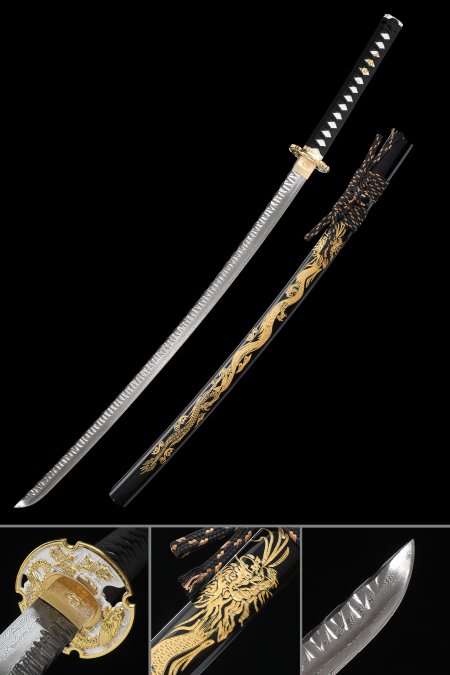
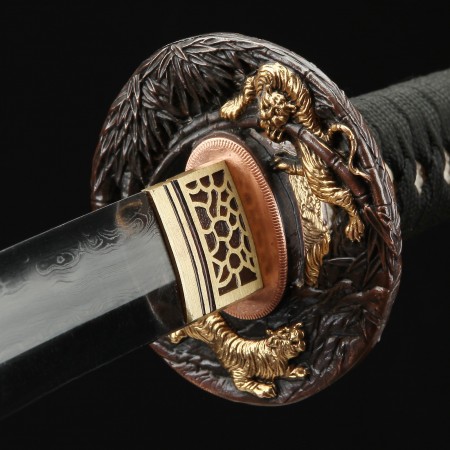
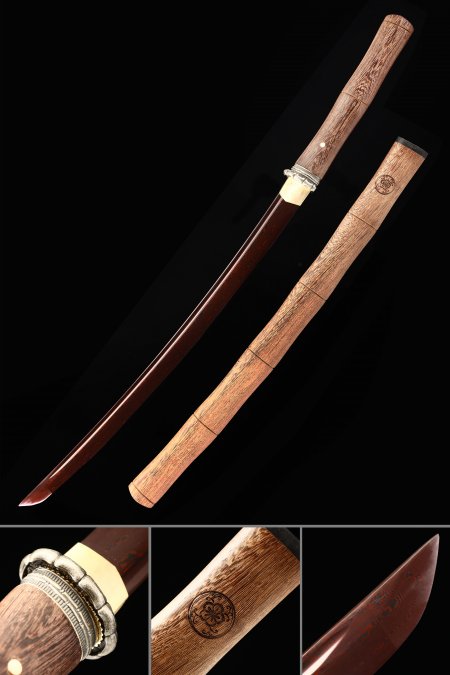
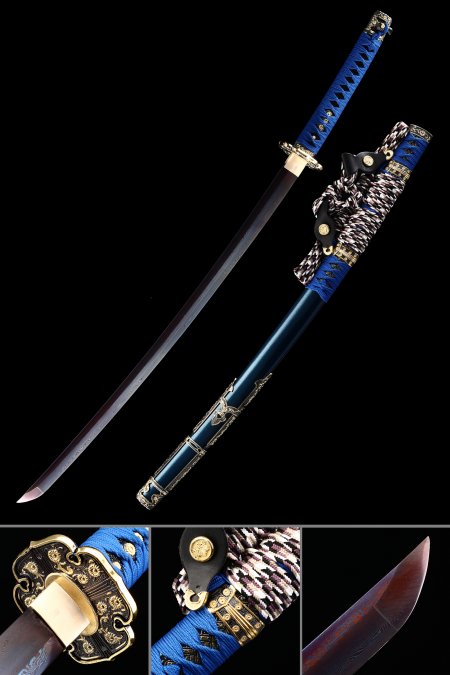
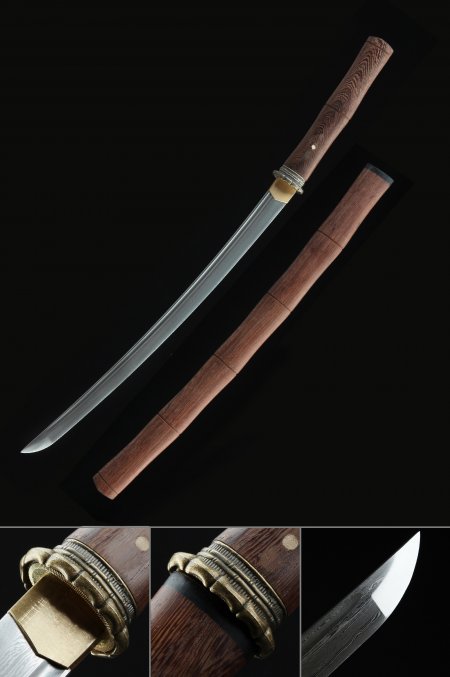
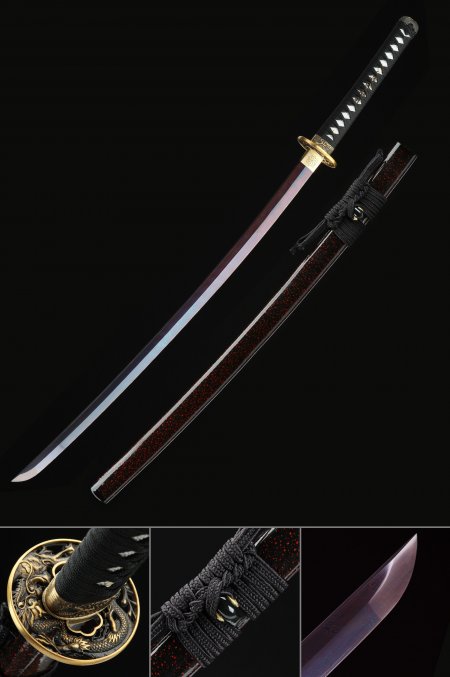
The steel hierarchy for edge refinement on ninjato follows the same principles as katana but with one important geometric consideration. Among our steels, 1095 high-carbon achieves the absolute finest edge because its fine grain structure allows sharpening to extremely acute angles without microchipping. T10 tungsten-carbon steel comes very close to 1095 in initial sharpness while offering superior edge retention, making it arguably the best overall performer for sharpened ninjato. Damascus pattern steel achieves excellent edges with the visual bonus of grain patterns, though the layered structure creates very minor edge irregularity at the microscopic level. The straight geometry of the ninjato does affect the sharpening outcome in one meaningful way: because the edge maintains a constant angle along its length, the sharpened edge is more uniformly refined than on curved blades where subtle angle changes through the curve create microscopic variations in edge quality. This means that when a ninjato is properly sharpened, the cutting capability is more consistent from base to tip than on a curved blade. For collectors who prioritize edge quality as a collecting criterion, straight ninjato in 1095 or T10 represent some of the most uniformly refined edges in our entire catalog.