How do traditional handmade katana differ in long-term value retention compared to modern-styled or
Updated Feb 2026
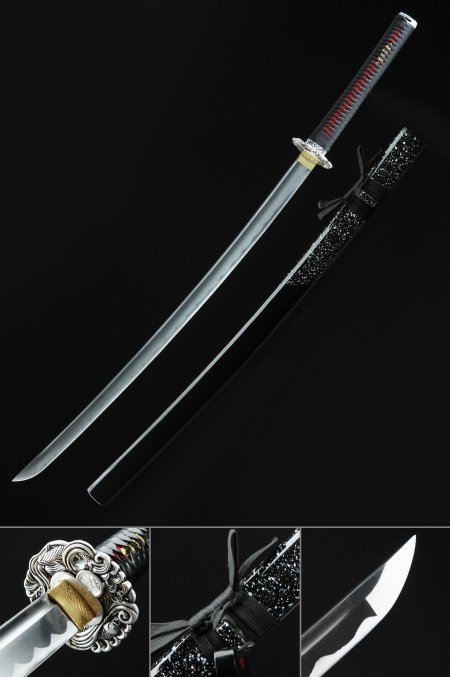
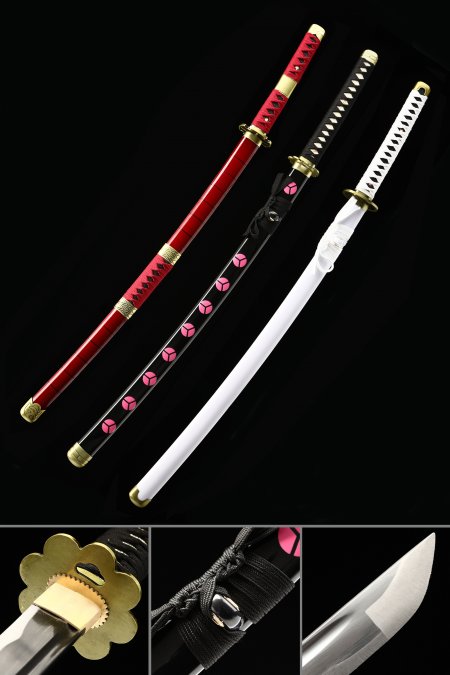
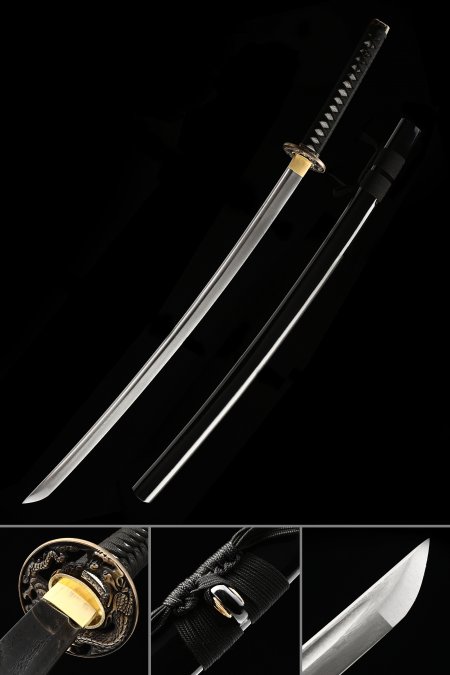
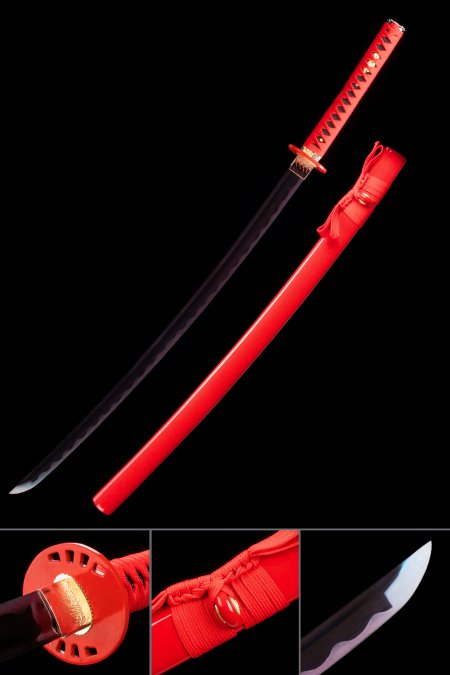
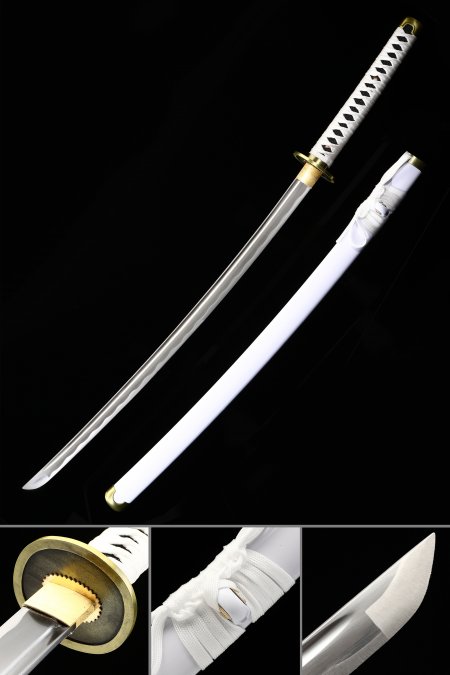
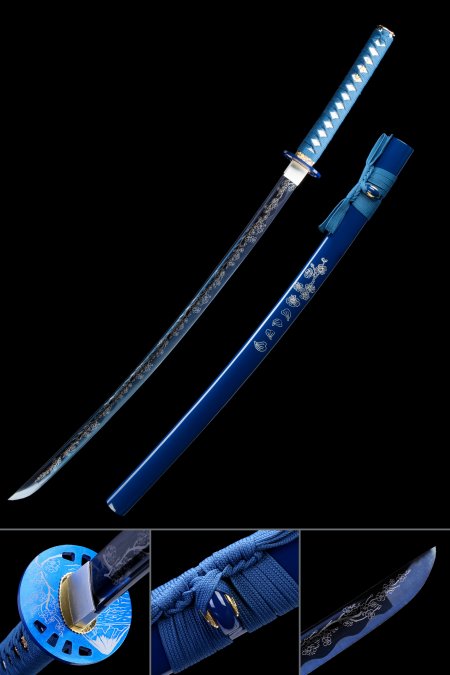
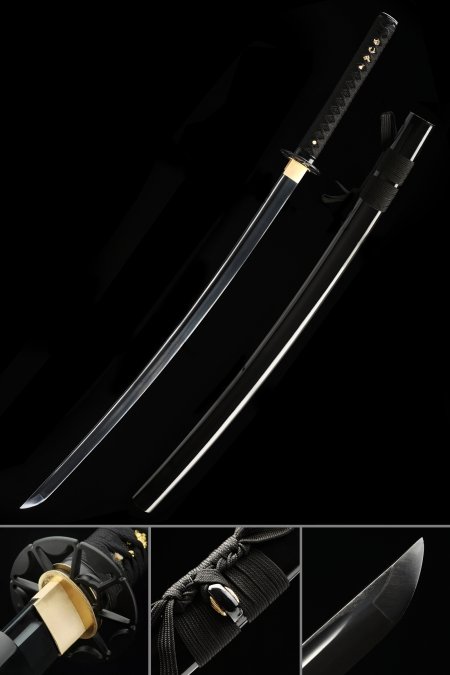
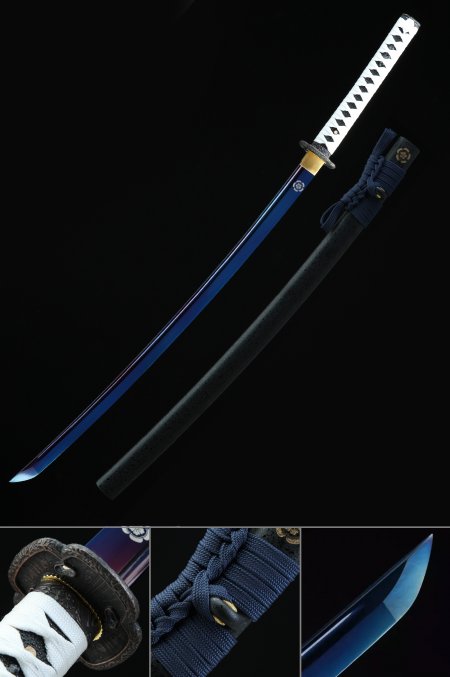
Traditional handmade katana have historically demonstrated the strongest long-term value retention among all collecting categories, for several reinforcing reasons. First, the traditional aesthetic has proven its staying power across centuries — unlike modern design trends that evolve and can make previously fashionable pieces feel dated, traditional Japanese sword aesthetics remain compelling indefinitely because they represent an established, stable visual language. Second, handmade construction creates inherent scarcity: each piece requires individual artisan labor that cannot be scaled up, meaning supply is fundamentally limited in ways that machine production is not. Third, the combination of traditional styling and handmade construction produces pieces that appeal to the broadest possible collector base, ensuring consistent demand across market conditions. Machine-produced katana, by contrast, can be replicated identically in unlimited quantities, which limits their collectibility. Modern-styled handmade katana retain craft value but are subject to aesthetic trends. Traditional handmade katana combine permanent aesthetic appeal with genuine artisan scarcity, creating the strongest foundation for long-term value.