How does the practical heritage of Japanese outdoor tanto connect to broader Japanese blade-making h
Updated Feb 2026
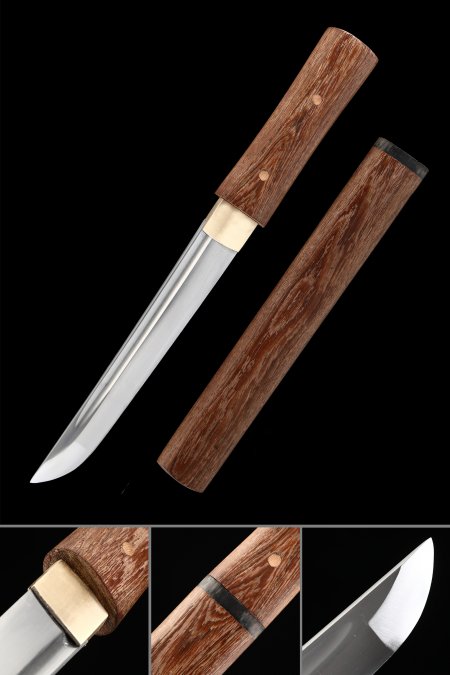
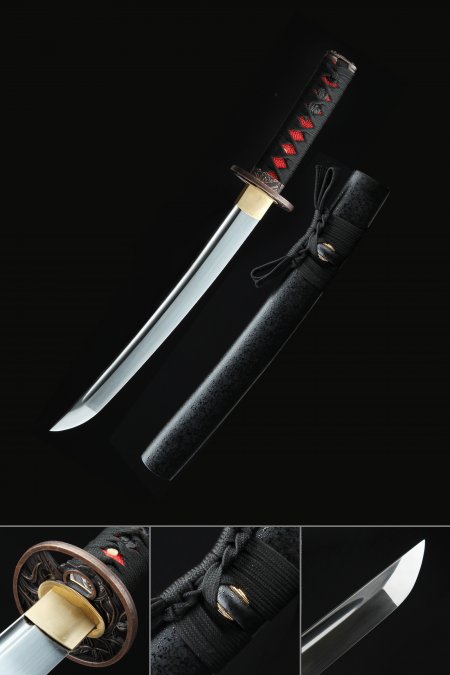
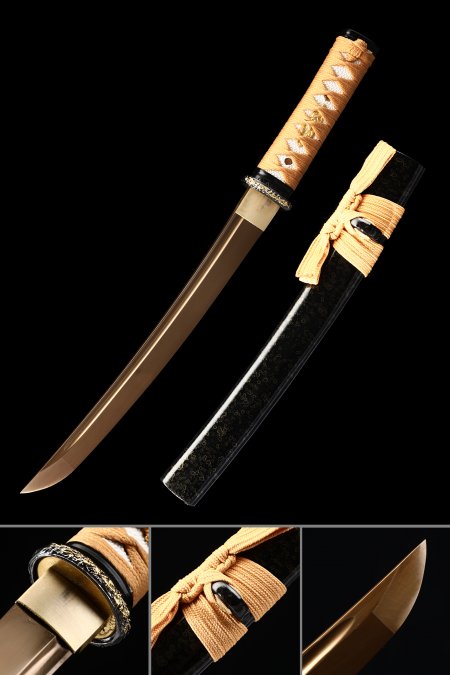
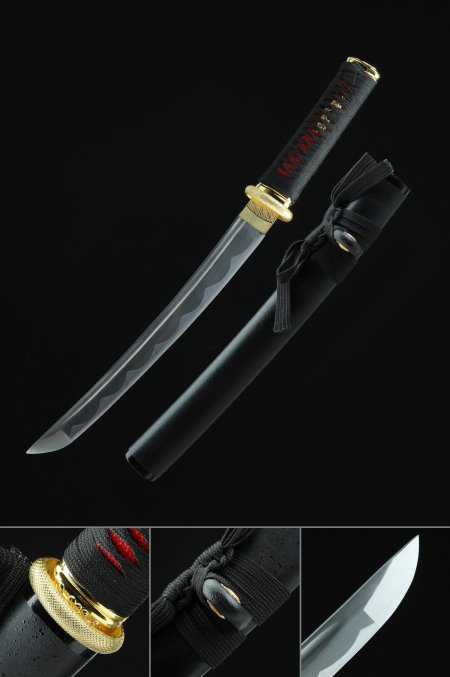
Japanese blade making has always maintained parallel traditions of practical utility and artistic refinement, though Western collectors sometimes encounter only the artistic side. Throughout the feudal period, short blades served essential everyday functions for all social classes — not just the samurai warrior elite. Farmers, merchants, craftsmen, and travelers carried practical short blades for daily tasks ranging from food preparation to rope cutting to general camp utility. These working blades developed their own distinct design language: functional geometry optimized for cutting efficiency, durable fittings that withstood constant handling, and straightforward construction that prioritized reliability over aesthetic display. This practical tradition existed alongside and informed the more celebrated artistic tanto made for samurai and nobility. Many of the structural innovations that define Japanese blade craft — differential hardening, laminated construction, precise heat treatment — originated not from artistic ambition but from practical necessity in the field.