What makes a katana simultaneously traditional and handmade, and why does that combination matter fo
Updated Feb 2026
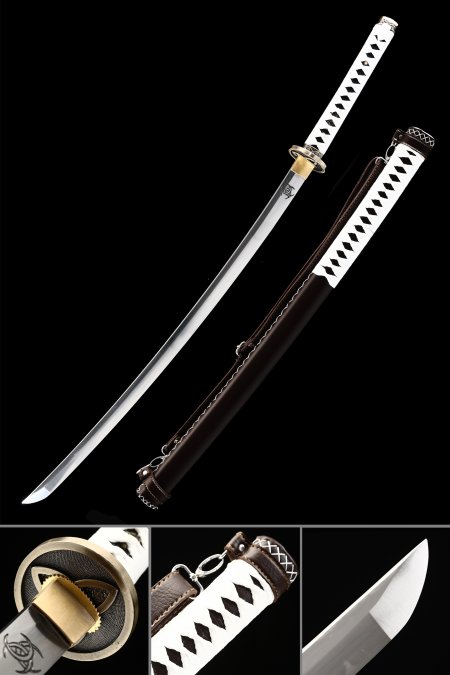
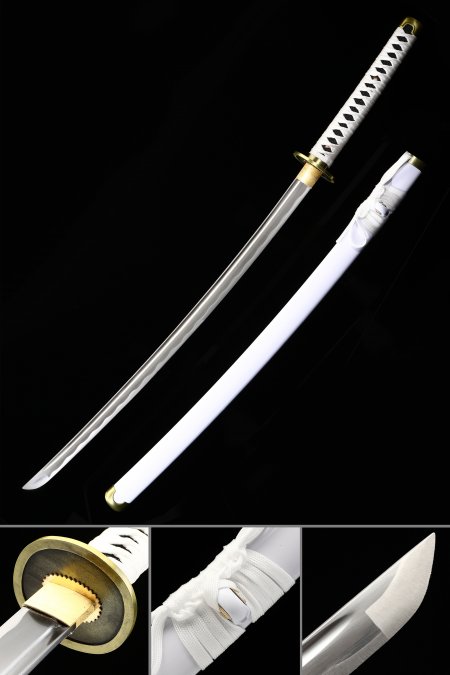
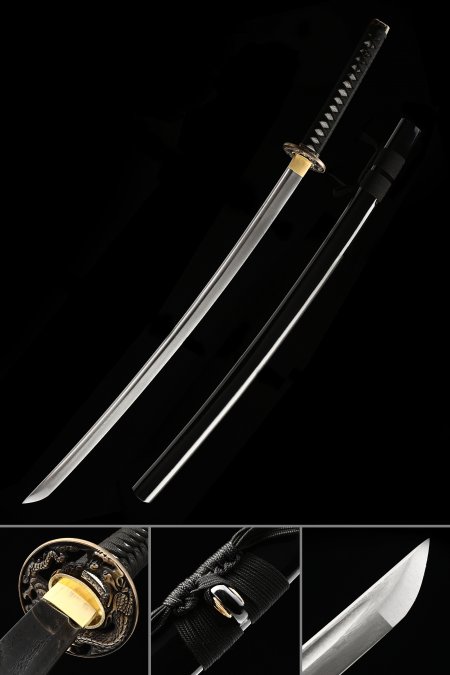
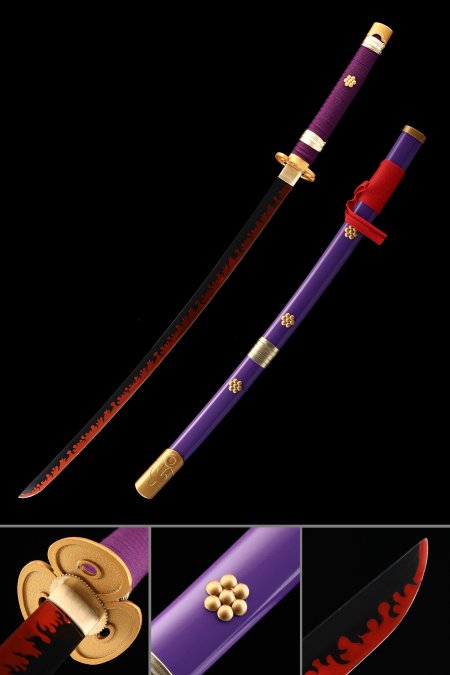
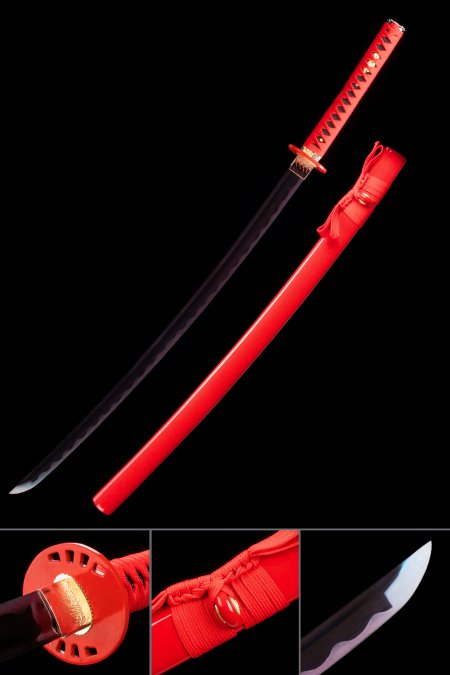
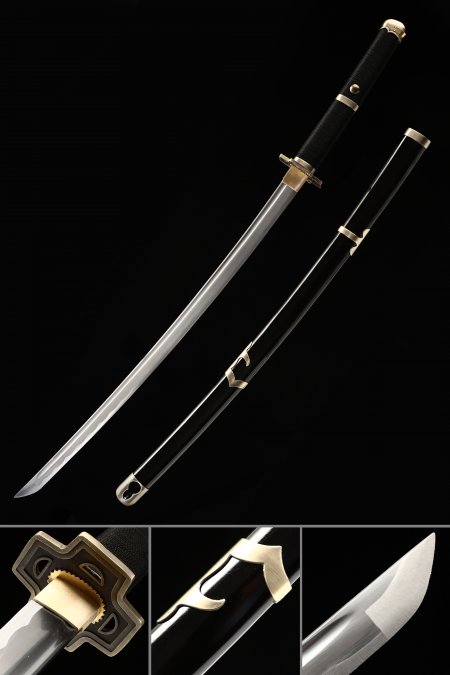
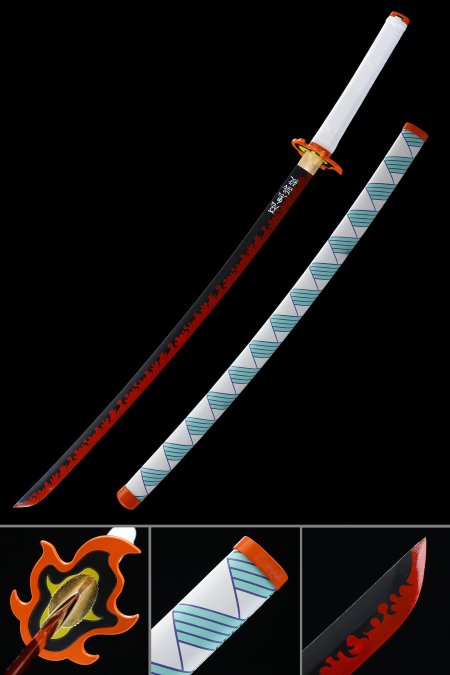
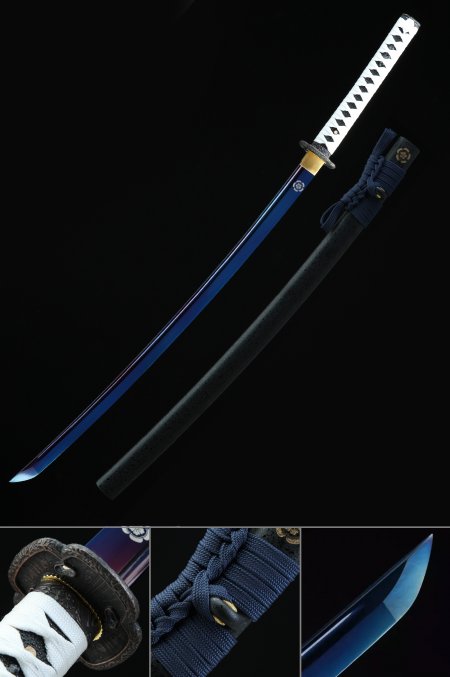
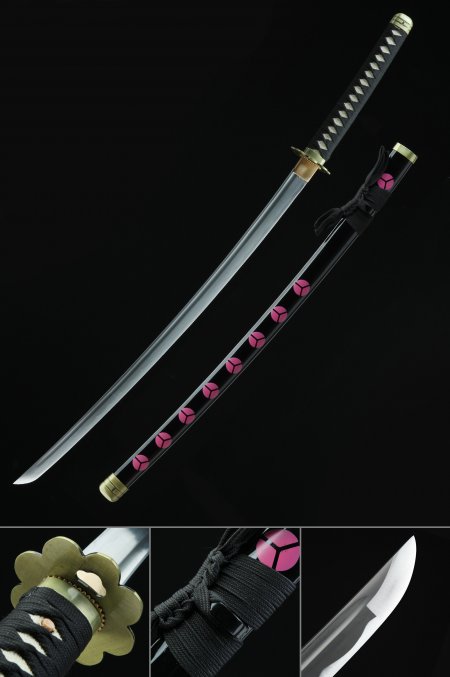
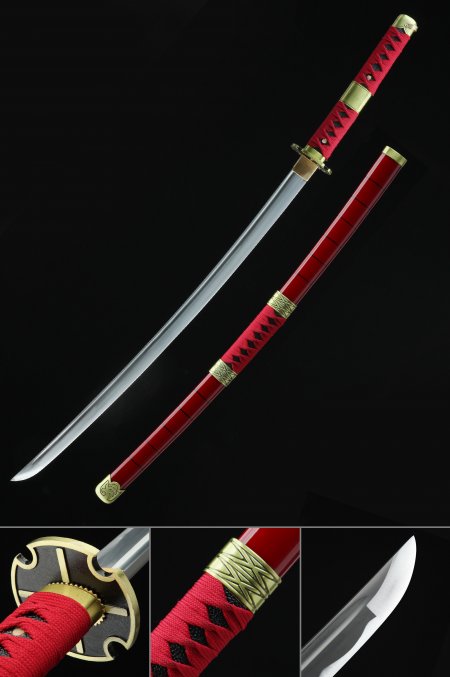
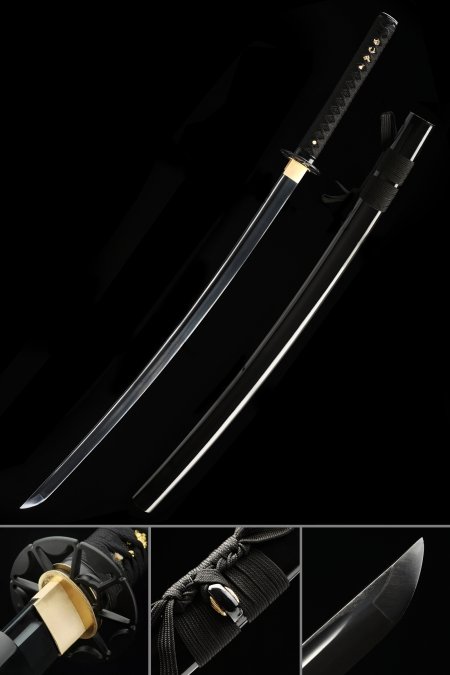
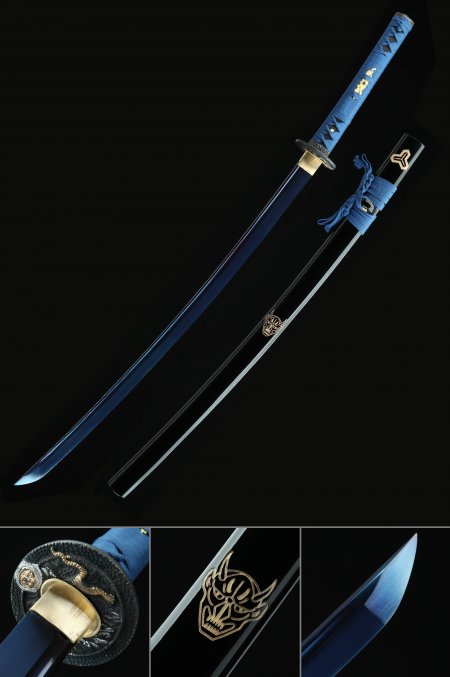
Traditional refers to the aesthetic design vocabulary: tsuba guard patterns drawn from documented Japanese metalworking traditions such as iron mokko, marugata, or namban forms; handle wrapping in established musubi knot patterns using silk or cotton cord over genuine ray skin; scabbard finishing in lacquer styles like roiro, nuritate, or natural wood that reference historical Japanese conventions; and fitting decorations depicting traditional Japanese motifs such as cherry blossom, crane, bamboo, dragon, or geometric patterns from the Japanese repertoire. Handmade refers to the production method: individual hand forging, hand heat treatment, hand assembly of components, and hand finishing of all surfaces. The combination matters because each quality alone is insufficient for the most discerning collectors. A traditional-styled katana that was machine-produced lacks artisan authenticity. A handmade katana in fantasy or modern styling lacks cultural authenticity. Only when both criteria are met simultaneously does the katana fully represent the Japanese sword-making tradition as historically practiced — skilled artisans producing blades within established aesthetic conventions.