How can I visually distinguish an authentic Japanese tanto from a mass-produced imitation?
Updated Feb 2026
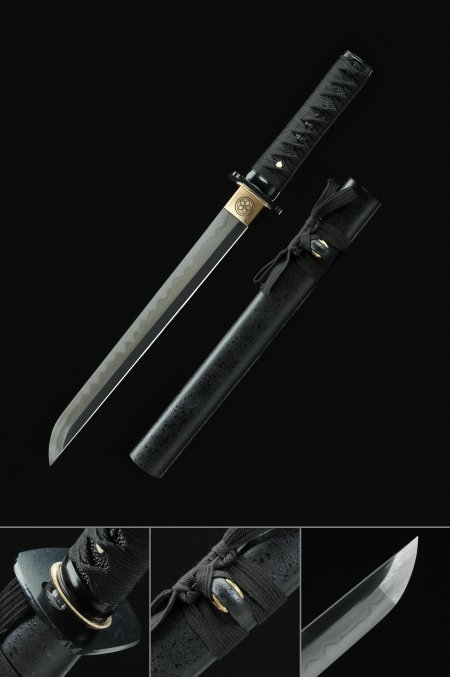
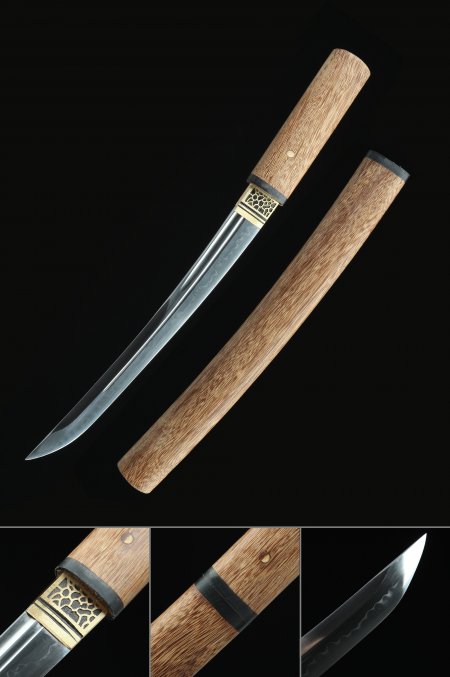
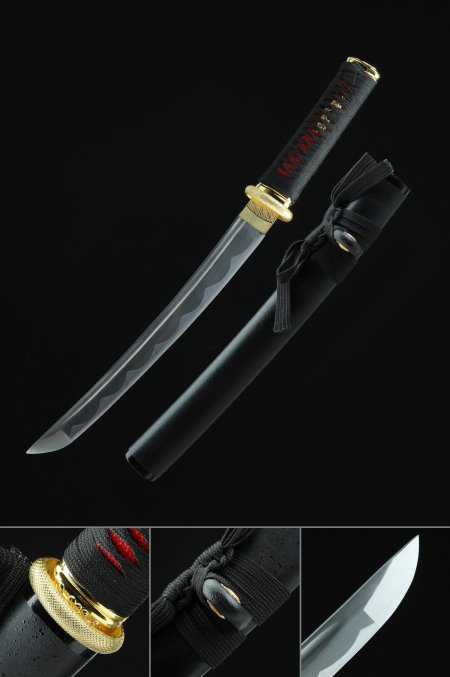
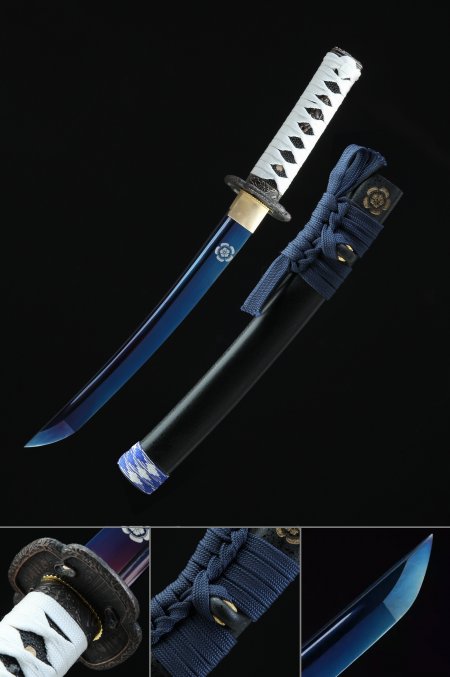
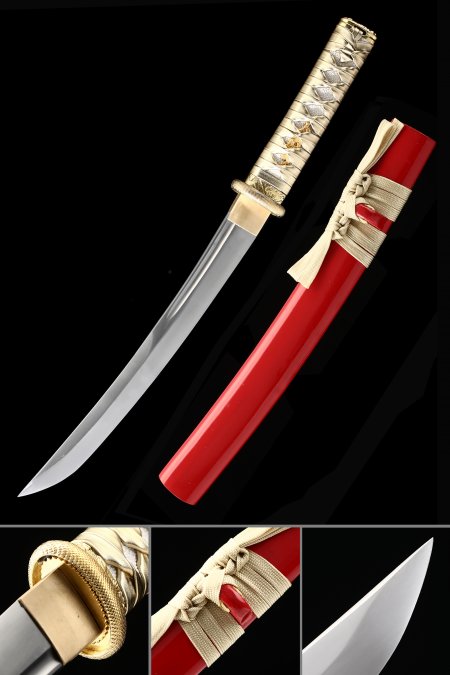
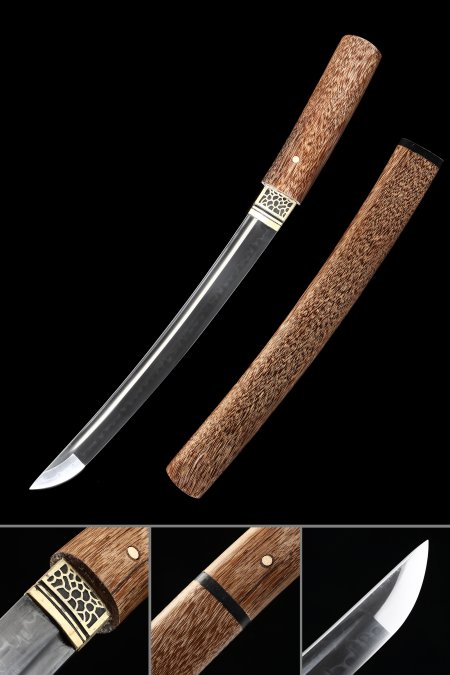
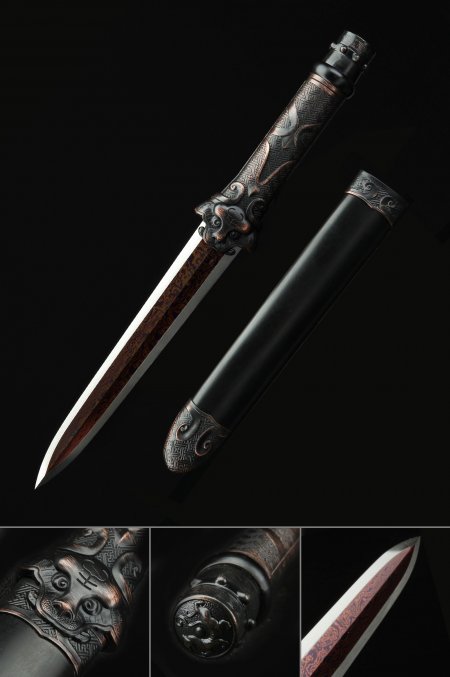
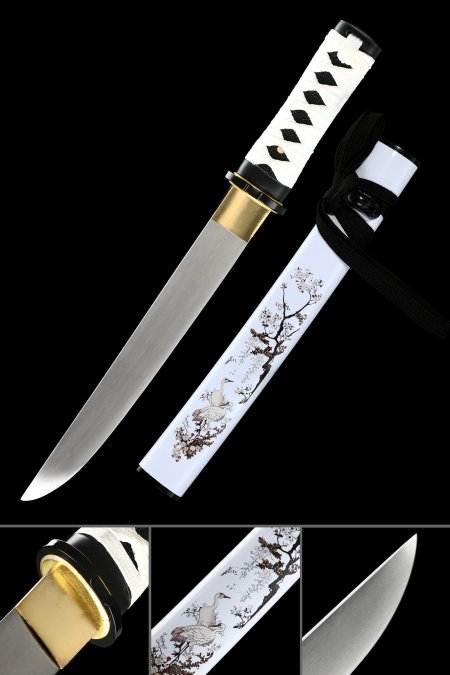
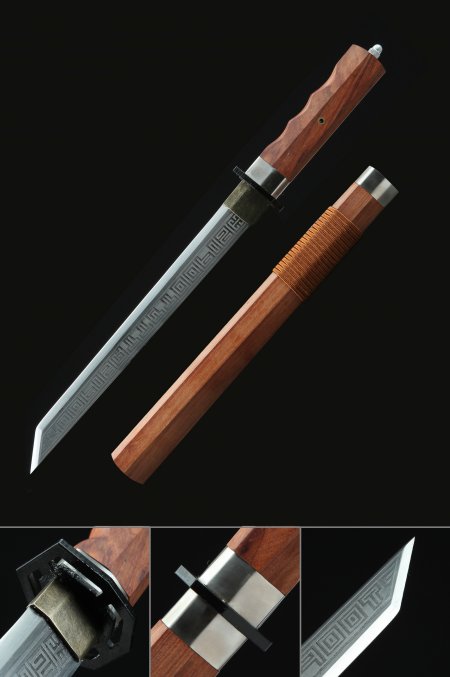
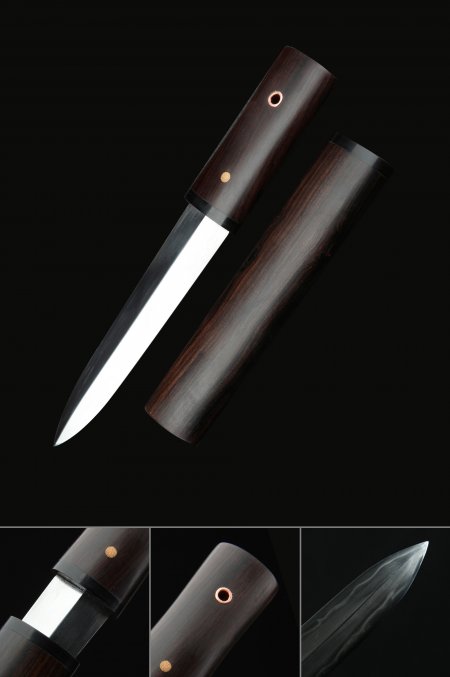
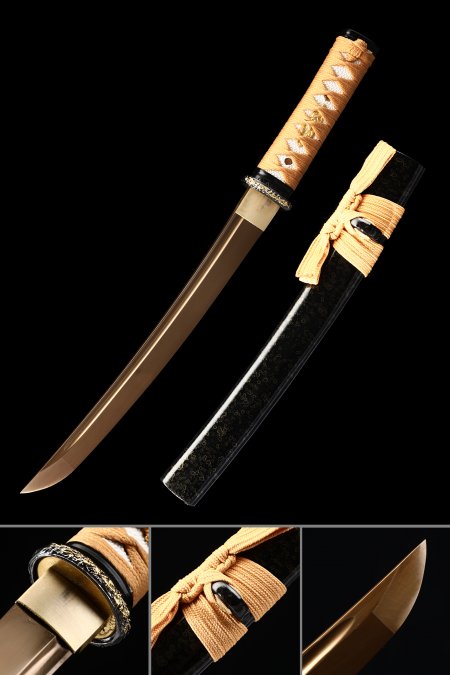
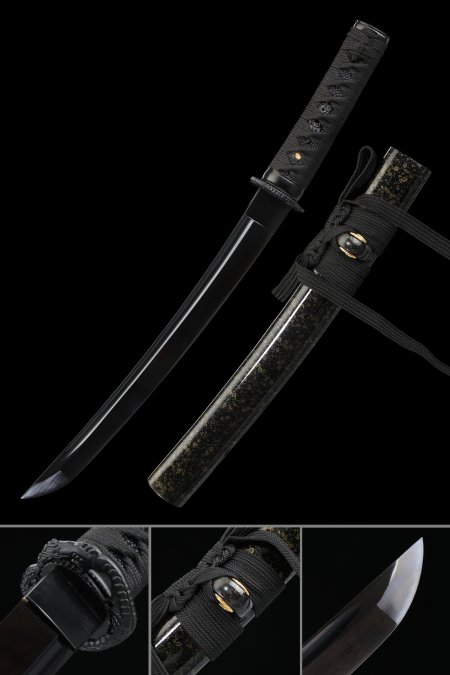
Several visible indicators separate authentic pieces from imitations. Examine the blade surface under good lighting — a hand-forged blade shows subtle variations in surface texture and geometry that machine-ground blades lack. Check the tang by carefully removing the handle if possible — authentic full-tang construction shows a continuous steel piece with file marks and the smith’s individual finishing, while imitations often reveal a short stub tang or a welded extension. Look at the habaki collar where blade meets handle — hand-fitted habaki show precise individual fitting to the specific blade, while mass-produced pieces use generic collars with visible gaps. Examine the cord wrapping on the handle — hand-wrapped cord shows subtle tension variations and the characteristic pattern of individual work, while machine-wrapped cord is perfectly uniform. Finally, check the ray skin beneath the wrapping — authentic pieces use genuine same panels with natural nodule patterns.