What makes Damascus steel visually distinct from standard steel blades?
Updated Mar 2026
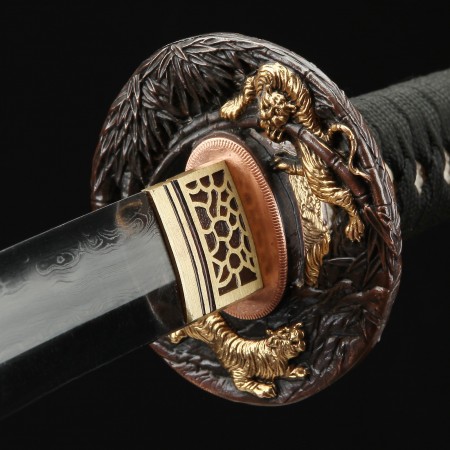
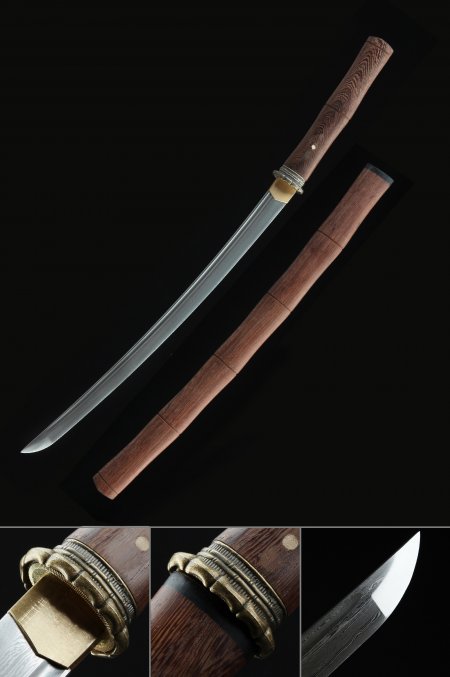
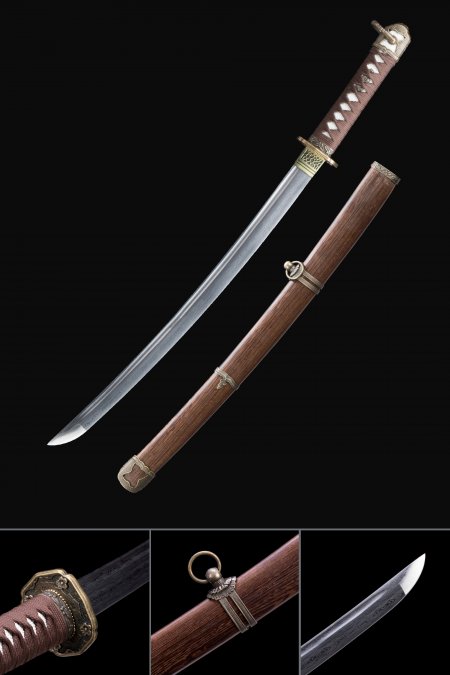
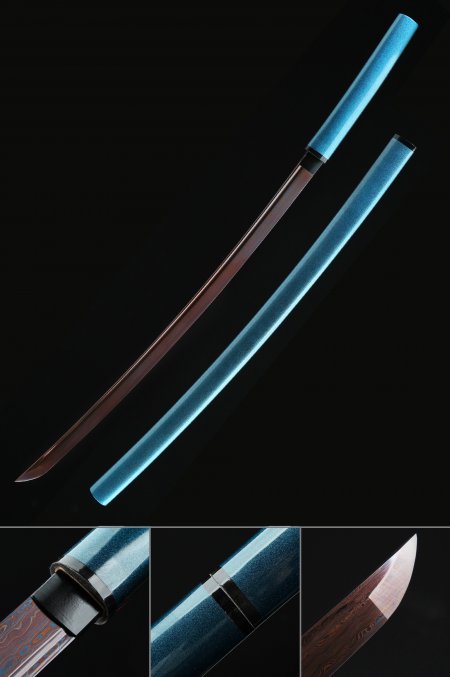
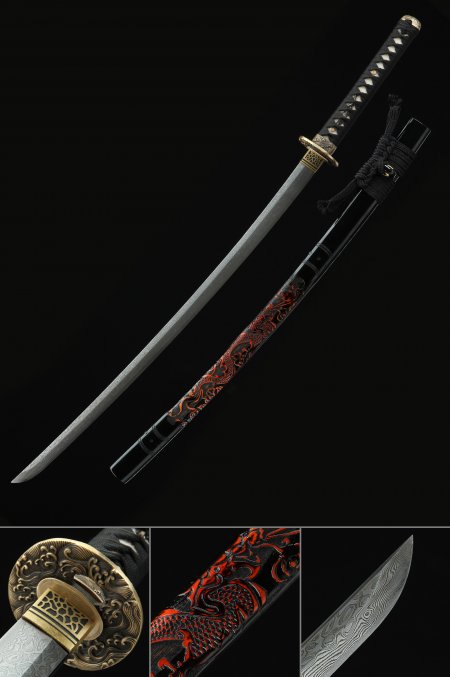
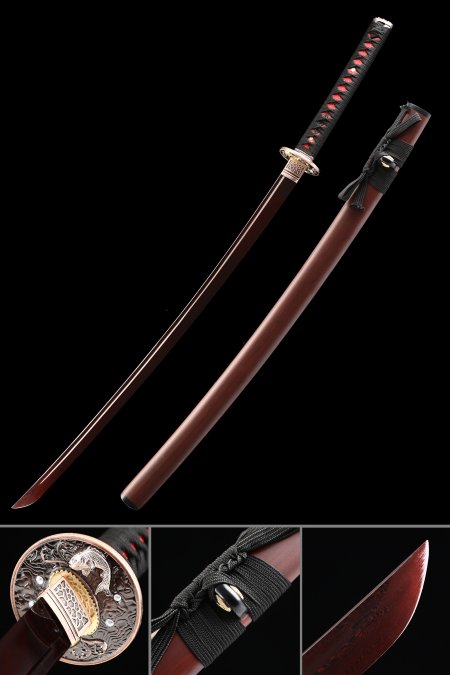
Damascus steel gets its signature appearance from a forge-welding process in which two or more alloys - typically a high-carbon steel and a softer iron-rich steel - are repeatedly folded and welded together under heat. As the billet is worked, the layers multiply and begin to flow into one another. When the finished blade is ground, polished, and acid-etched, those layers become visible as flowing lines, concentric swirls, or tight geometric patterns across the surface. Because the pattern emerges from the internal structure of the steel rather than being applied on top, no two Damascus blades ever look identical. The exact design is a direct record of how the billet was manipulated during forging, making each blade a one-of-a-kind visual artifact.