What makes gray glazes special in Japanese ceramics?

 Updated Mar 2026

Gray glazes in Japanese ceramics are rarely a single flat color - they are the result of complex firing chemistry. Techniques like ash glazing, iron-slip layering, and reduction firing (where oxygen is restricted inside the kiln) all produce gray tones that shift between blue-gray, warm charcoal, and silvery white depending on viewing angle and light source. This tonal variability is considered a mark of quality rather than inconsistency. In traditions like Bizen and Shigaraki ware, subtle gray surfaces emerge naturally from the interaction between clay body minerals and kiln atmosphere, making each piece genuinely one-of-a-kind. For collectors, this means no two gray sake sets will look identical, which is precisely what gives them lasting visual interest on a display shelf.
Popular Products

15% OFFghost of tsushima sword
169.00 USD
199.00 USD
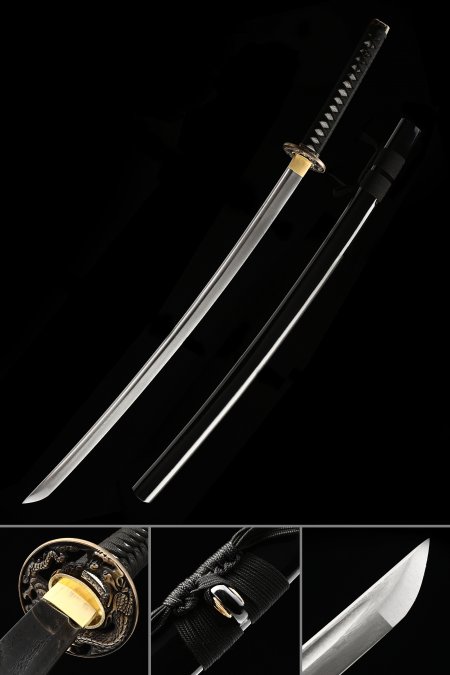
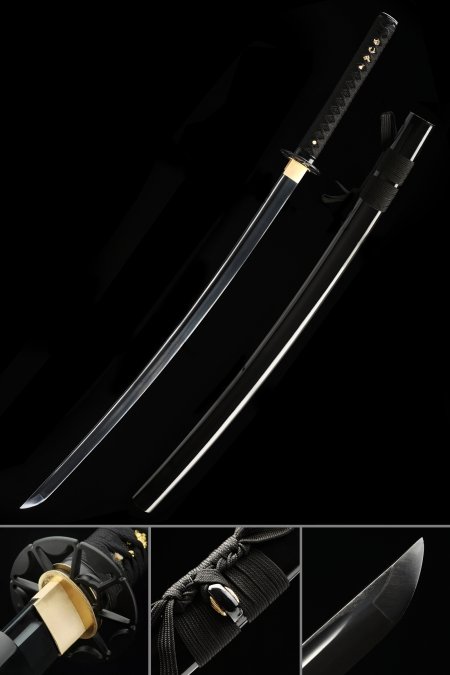
15% OFFblack katana
179.00 USD
209.00 USD
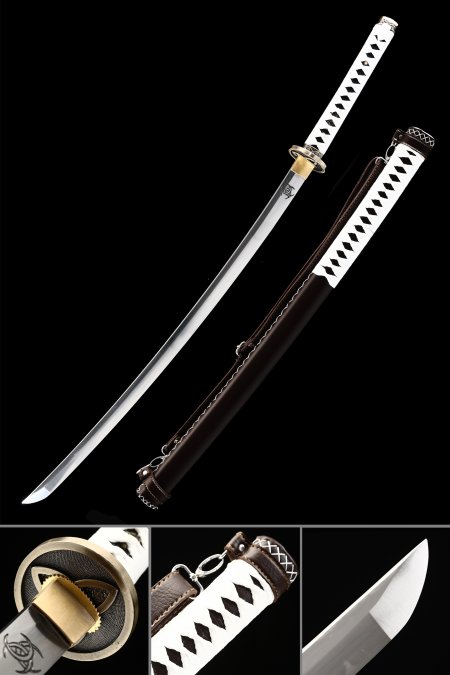
15% OFFmichonne's sword
199.00 USD
229.00 USD
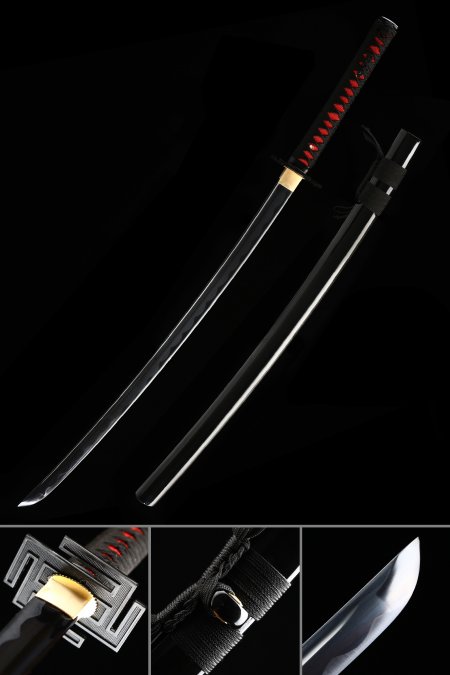
15% OFFichigo bankai sword
139.00 USD
159.00 USD
20% OFFblack katana
159.00 USD
199.00 USD
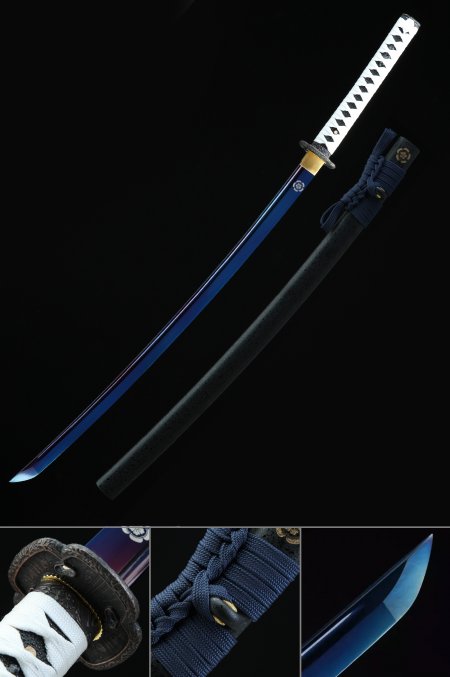
20% OFFkatana sword
159.00 USD
199.00 USD
15% OFFkatana sword
129.00 USD
149.00 USD
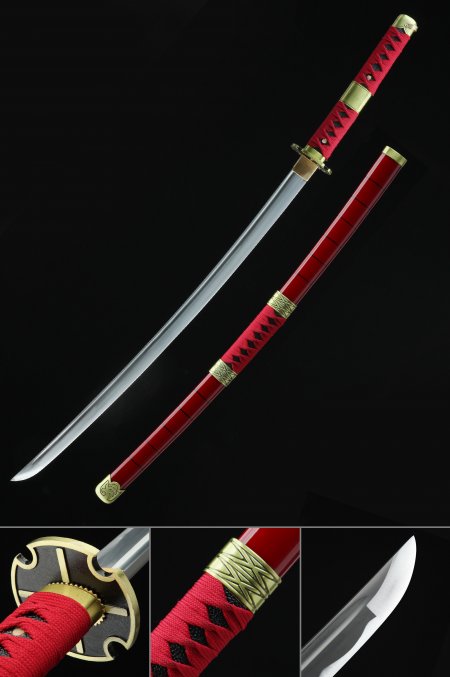
15% OFFzoro katana
139.00 USD
169.00 USD
15% OFFobsidian katana
169.00 USD
199.00 USD
20% OFFkatana sword
139.00 USD
179.00 USD
15% OFFzoro sword
139.00 USD
169.00 USD
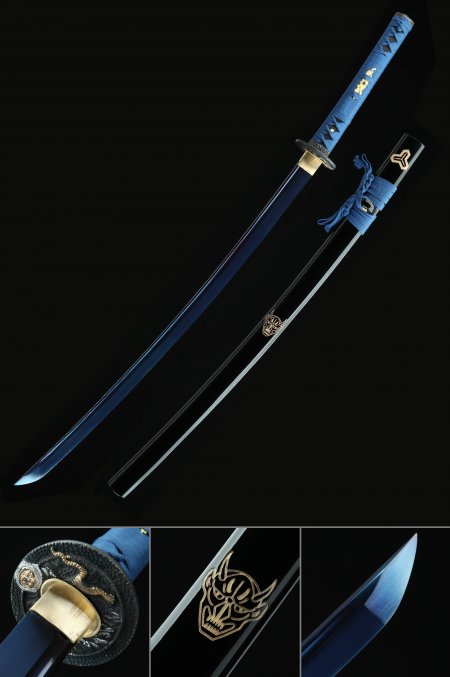
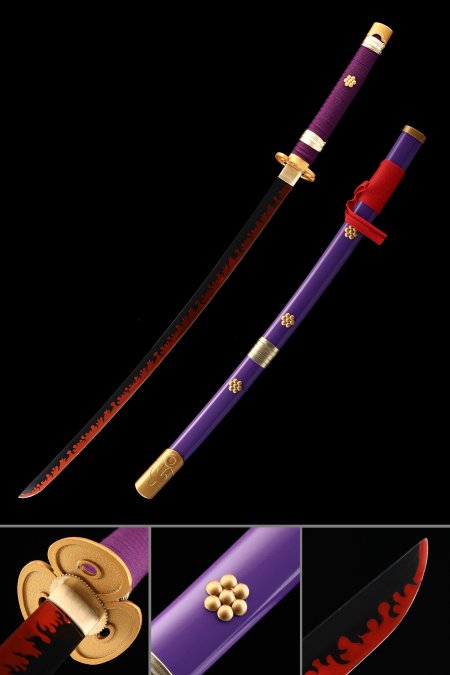
20% OFFenma sword
179.00 USD
219.00 USD
15% OFFghost of tsushima sword
169.00 USD
199.00 USD
15% OFFblack katana
179.00 USD
209.00 USD
15% OFFmichonne's sword
199.00 USD
229.00 USD
15% OFFichigo bankai sword
139.00 USD
159.00 USD
20% OFFblack katana
159.00 USD
199.00 USD
20% OFFkatana sword
159.00 USD
199.00 USD
15% OFFkatana sword
129.00 USD
149.00 USD
15% OFFzoro katana
139.00 USD
169.00 USD
15% OFFobsidian katana
169.00 USD
199.00 USD
20% OFFkatana sword
139.00 USD
179.00 USD
15% OFFzoro sword
139.00 USD
169.00 USD
20% OFFenma sword
179.00 USD
219.00 USD