Are gold floral tsuba historically accurate for tachi fittings?
Updated Mar 2026
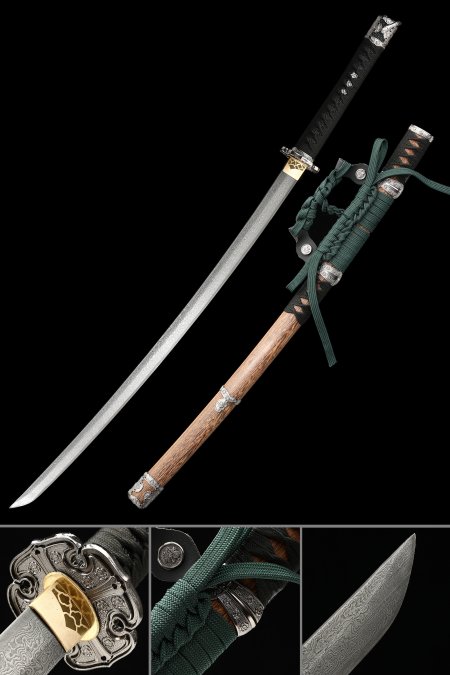
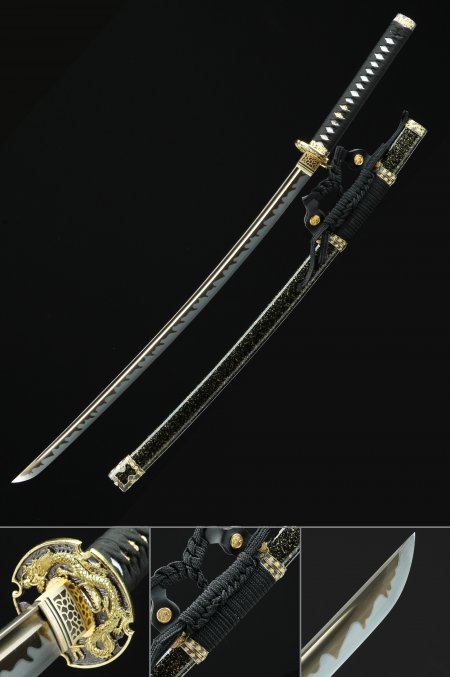
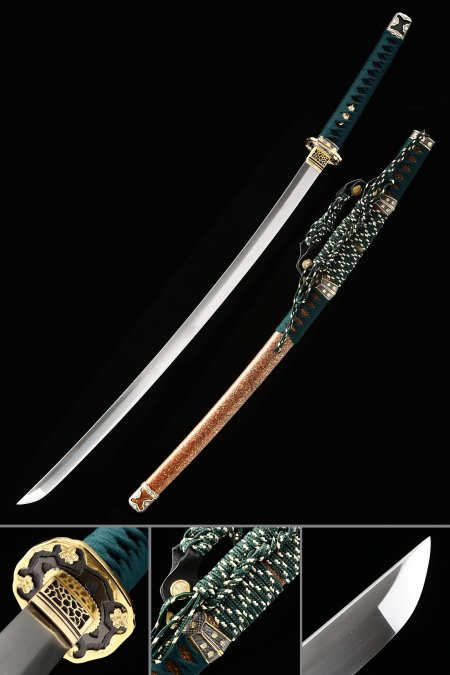
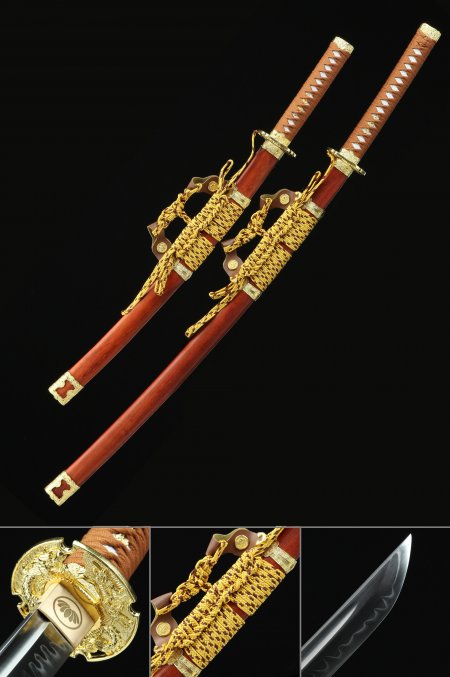
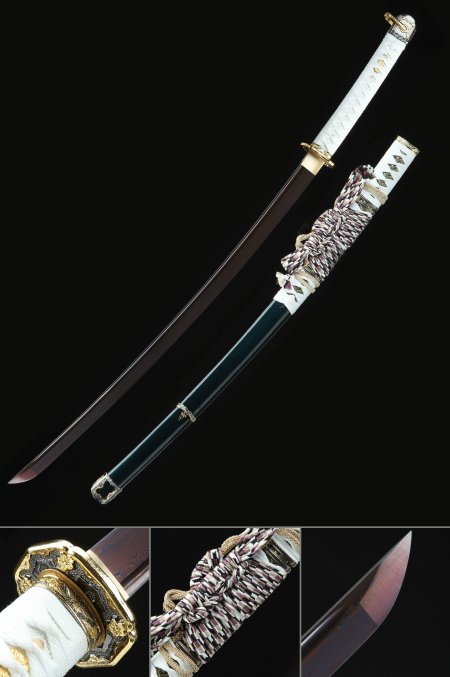
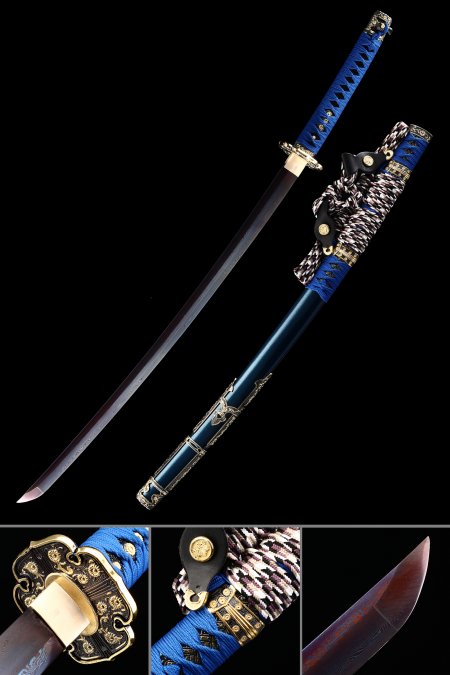
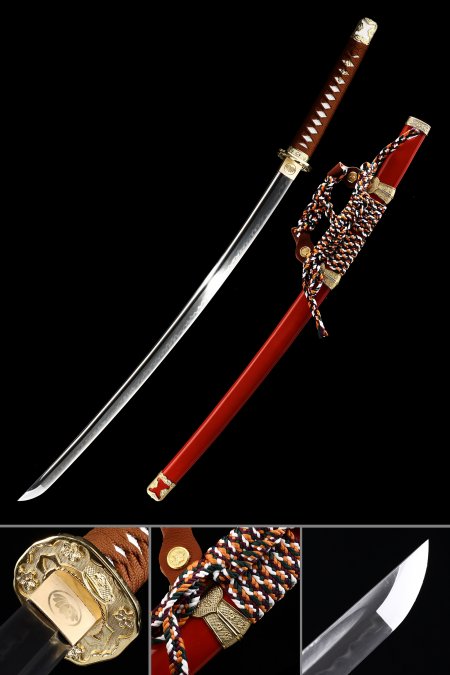
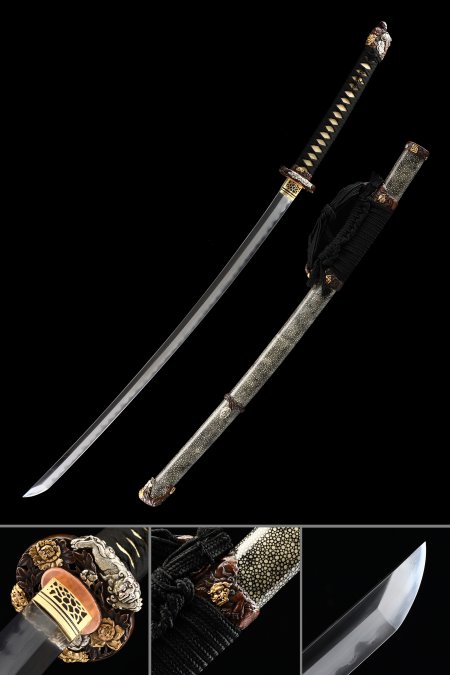
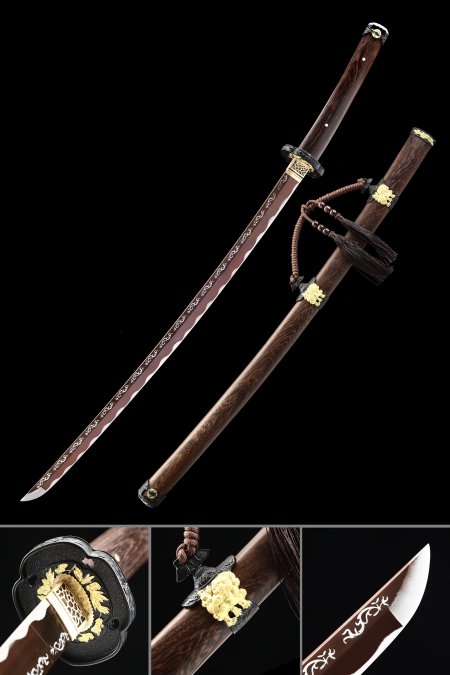
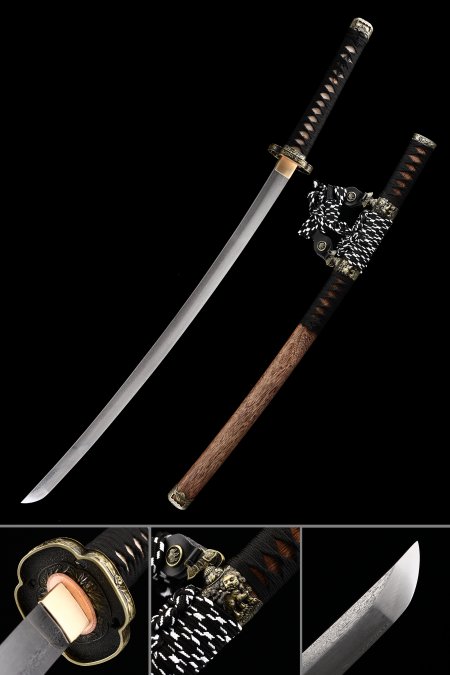
Heavily decorated tsuba with gold inlay and floral motifs are most closely associated with ceremonial and court tachi rather than field configurations. During the Heian period, tachi worn by court nobles featured elaborate gilt fittings and lacquered scabbards as markers of rank and aesthetic refinement — function was secondary to presentation. Chrysanthemum motifs specifically held imperial significance in Japan and appeared on objects connected to aristocratic ceremony. By the Muromachi period, as the samurai class consolidated power, a broader range of tsuba styles emerged, including highly ornate iron and brass pieces favored by daimyo as gifts and status objects. For a display collector, a gold floral tsuba on a blue lacquer tachi sits firmly within this ceremonial aesthetic tradition, referencing a specific historical visual language rather than representing an invented decorative choice.