What is koshirae style and why does it matter for display?
Updated Mar 2026
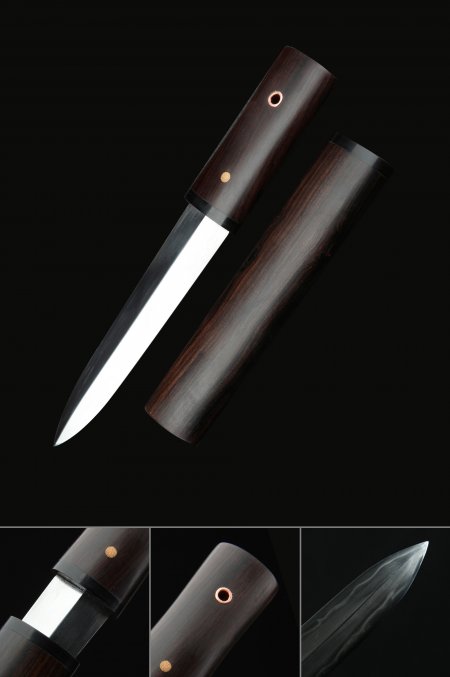
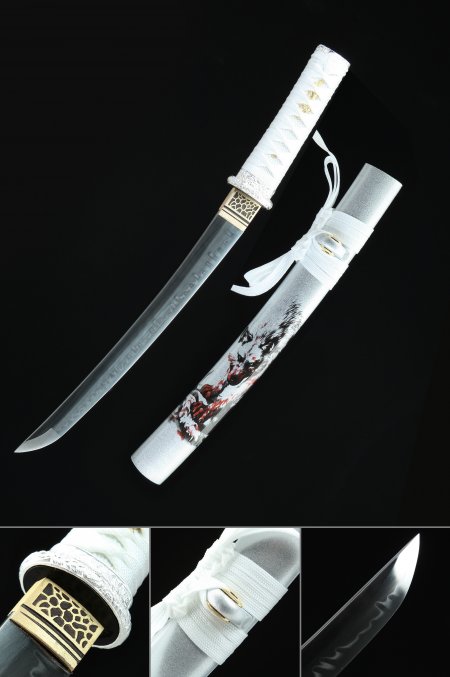
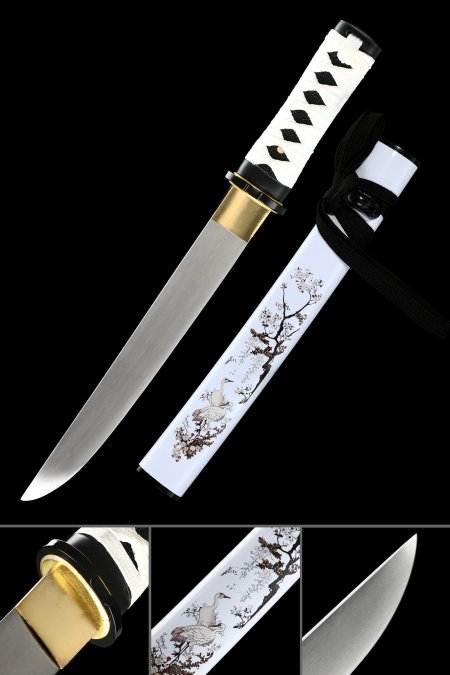
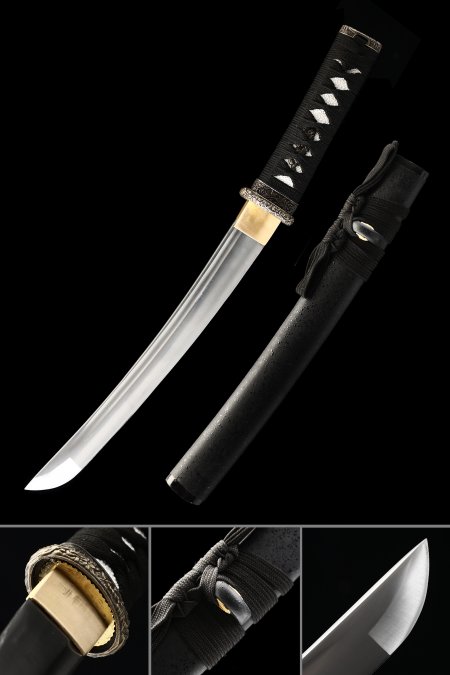
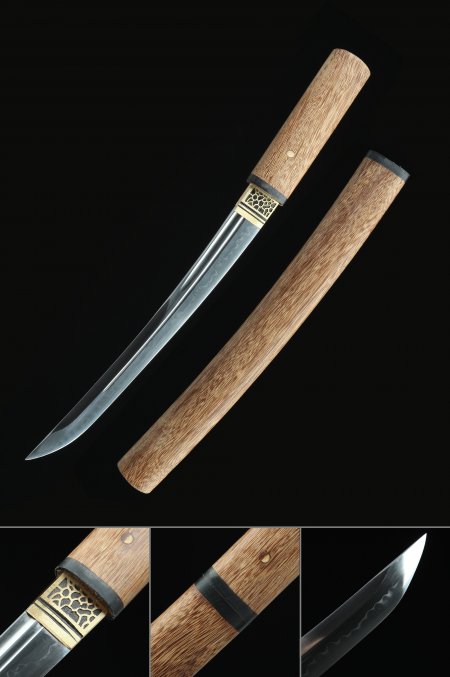
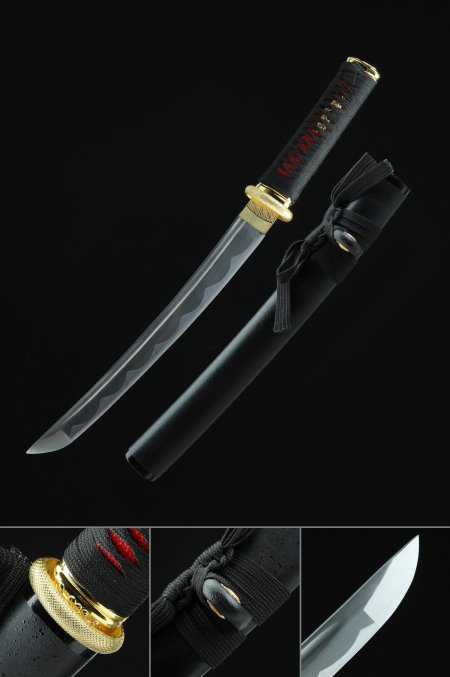
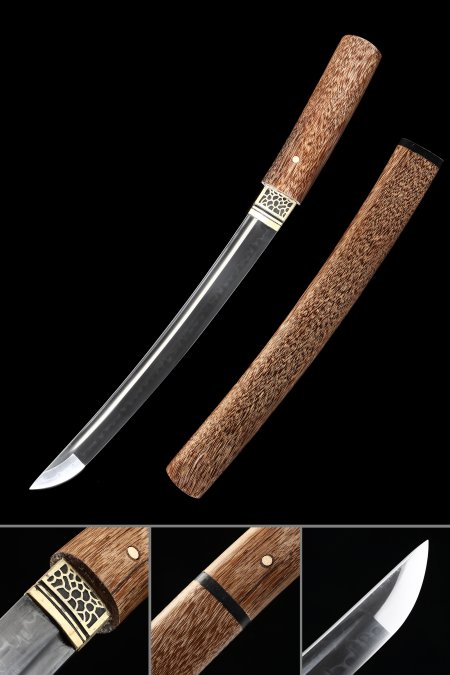
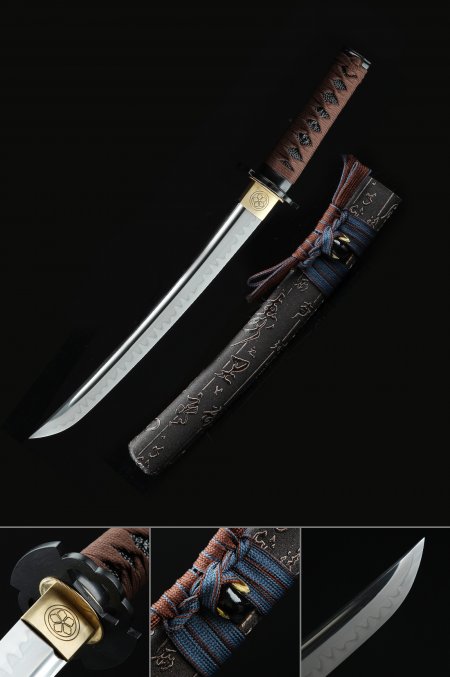
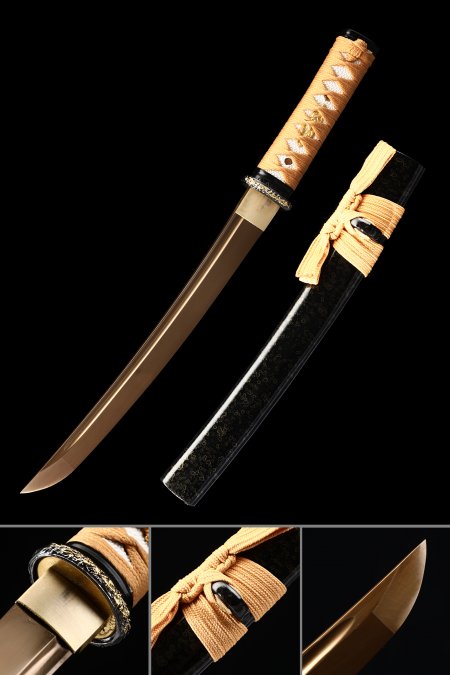
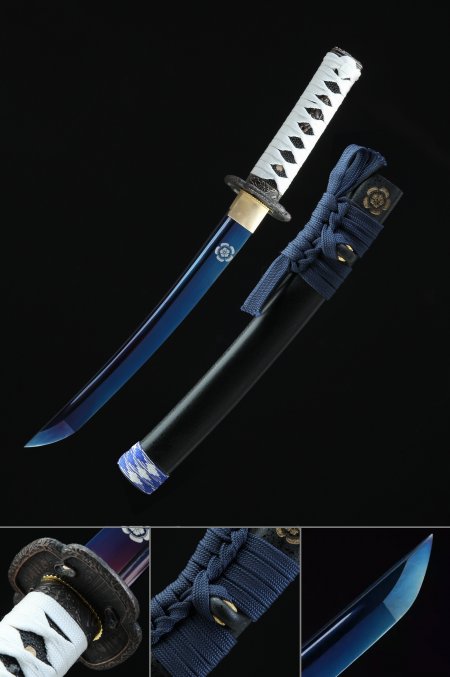
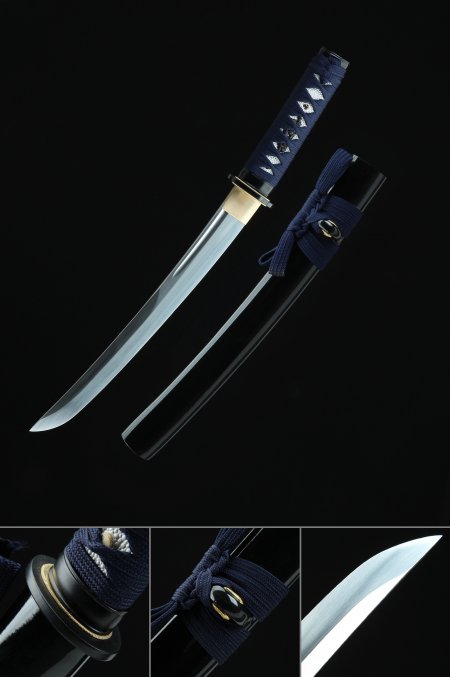
Koshirae refers to the complete set of external mountings that dress a Japanese blade - the saya (scabbard), tsuka (handle), tsuba (guard), habaki (blade collar), fuchi and kashira (handle fittings), and menuki (ornamental grip accents). A tanto presented in full koshirae style is displayed as a complete cultural artifact rather than a bare blade, and this completeness is precisely what makes it compelling as a display collectible. The visual coherence of matching lacquer saya, coordinated cord wrapping, and fitted copper fittings transforms individual components into a unified object with genuine presence. For collectors arranging a display case or wall mount, a fully mounted tanto in koshirae commands attention in a way that a blade alone cannot. It also reflects historical accuracy - Japanese blades were almost never displayed unmounted outside of formal appraisal contexts.