What makes a snake-motif tsuba significant in Japanese blade collecting?
Updated Mar 2026
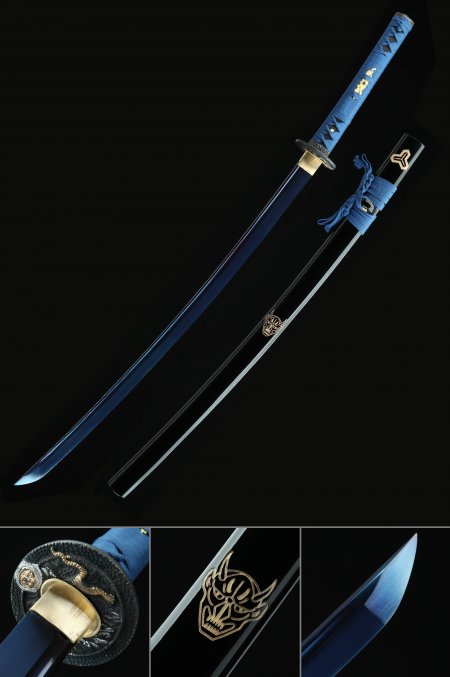
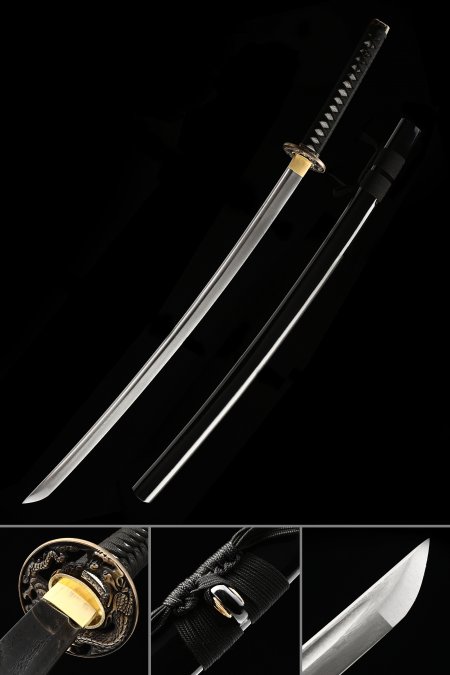
In traditional Japanese iconography, the snake (hebi) carries layered meaning - it is associated with transformation, cyclical renewal, and protective instinct. When rendered on a tsuba, the serpent motif transforms an already functional guard into a piece of cultural narrative. Collectors value snake tsuba not just for their visual drama but for this symbolic depth, which connects the piece to a broader tradition of Japanese metalwork where every design choice carried intentional meaning. Alloy tsuba in this style are cast or carved to capture scale texture and coil geometry, making them one of the most visually detailed fittings on the blade.