What is clay tempering and can I see it on a finished blade?
Updated Mar 2026
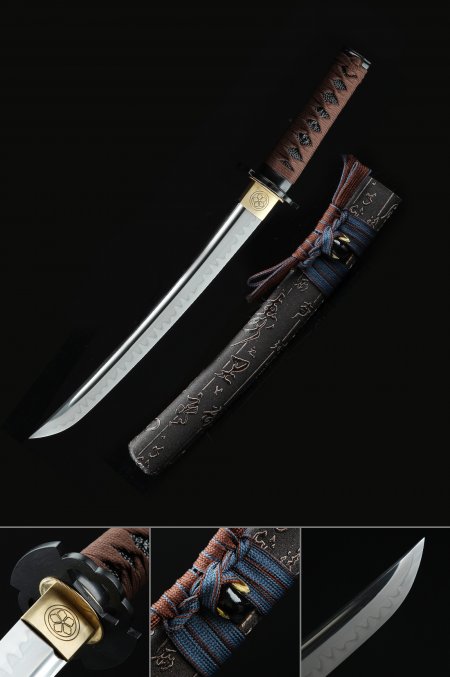
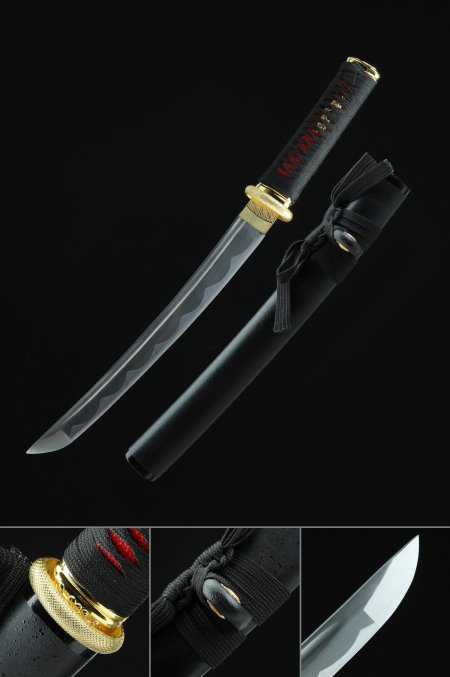
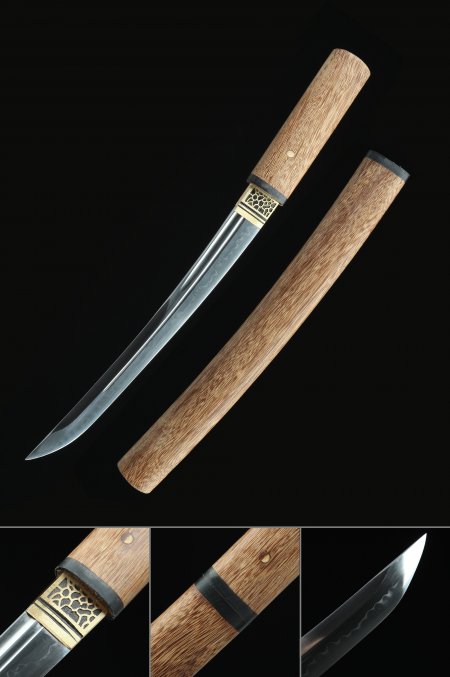
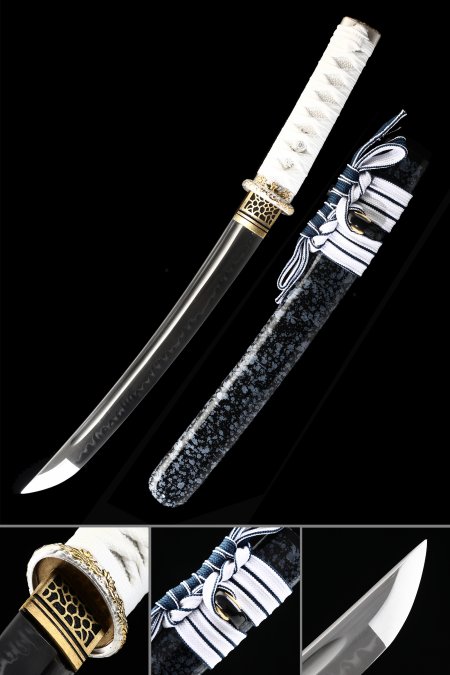
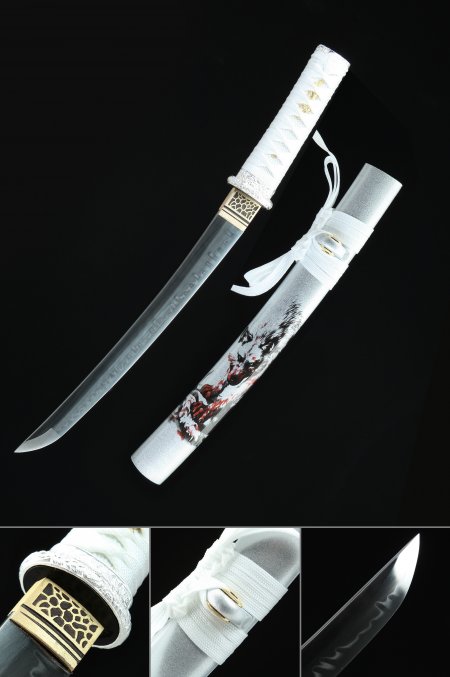
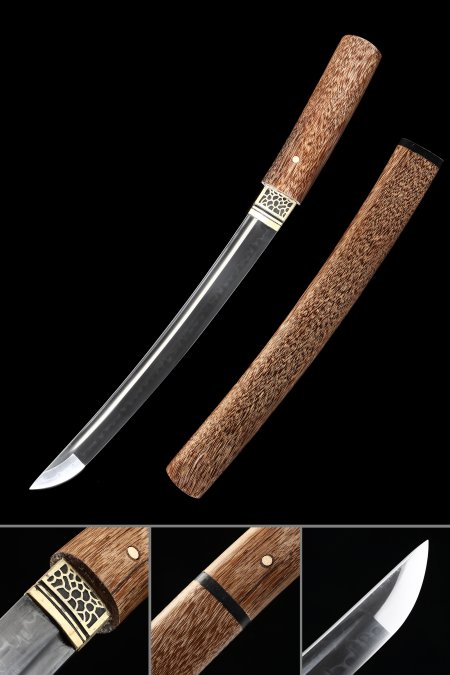
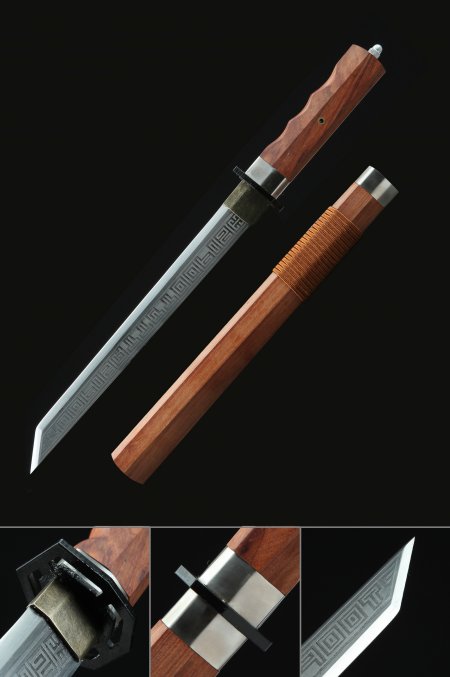
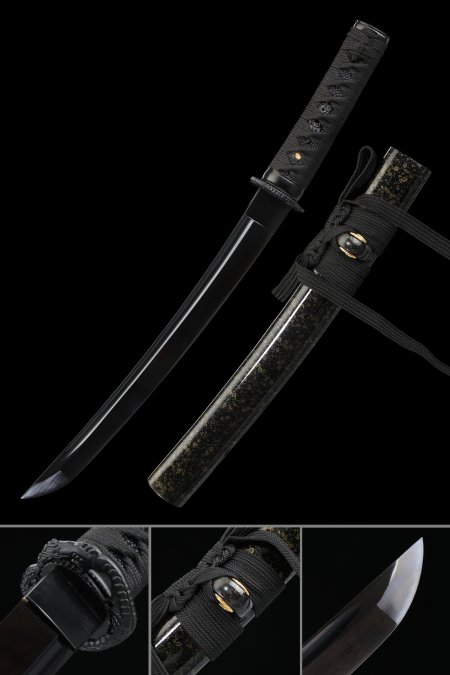
Clay tempering, known as tsuchioki in Japanese smithing practice, involves applying a mixture of clay, ash, and sometimes stone powder unevenly across the blade before the quench. The thickly coated spine cools more slowly, retaining toughness, while the lightly coated or exposed edge cools rapidly, achieving higher hardness. The visible result is the hamon — a line of crystalline transition called nie and nioi running along the edge. On the Snake Saya Tanto pieces in this collection, the hamon is clearly visible under direct light and serves as a permanent record of the tempering process. When displaying the blade, positioning a focused light source at a low angle to the edge surface will bring the hamon’s activity and texture into full relief, making it one of the most compelling visual features for informed collectors.