What makes Damascus steel tanto visually distinct from other blade types?
Updated Mar 2026
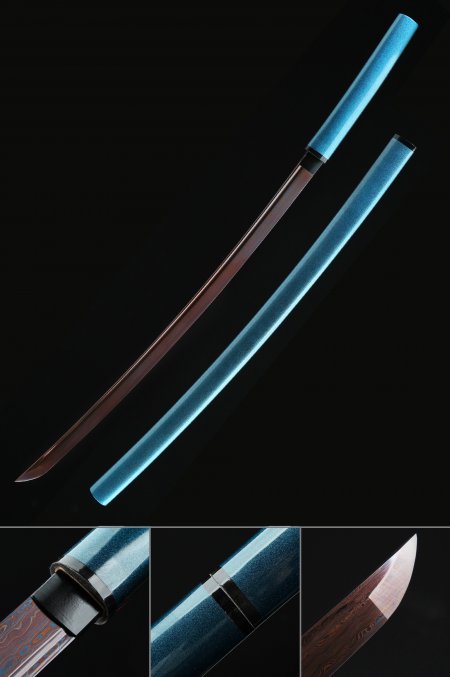
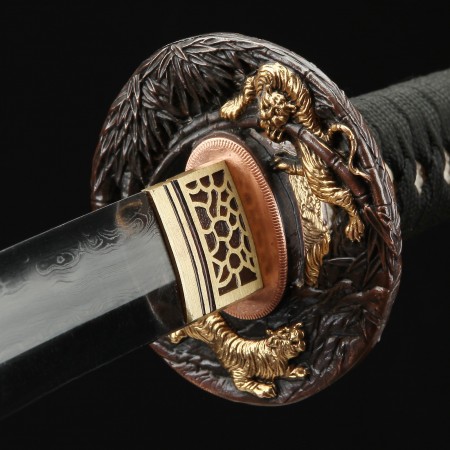
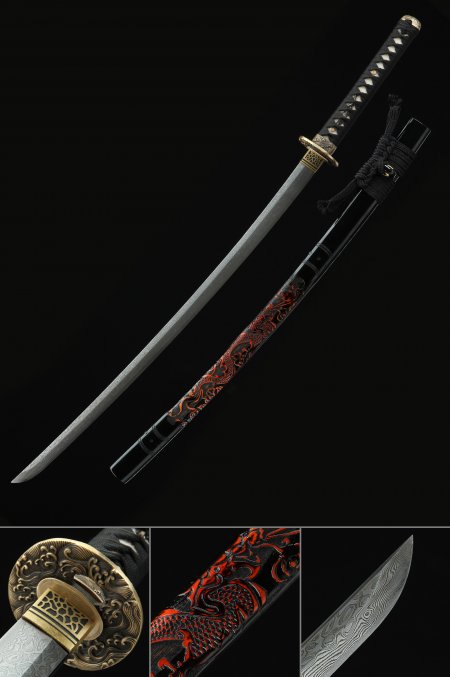
Damascus steel is produced by folding and welding together multiple layers of steel with differing carbon content. When the blade is etched during finishing, the two materials react differently to acid, revealing a flowing, wave-like surface pattern - often called a Damascus pattern or banding. Because the folding process is done by hand and varies with each forging session, no two Damascus blades share an identical grain. This makes each tanto a one-of-a-kind display piece, valued by collectors precisely because the surface markings function almost like a fingerprint. On shorter tanto-length blades, the pattern is compressed into a smaller canvas, which often makes the visual contrast between layers appear even more concentrated and dramatic than on longer blades.