Is a dragon tsuba a traditional fitting or a modern design choice?
Updated Mar 2026
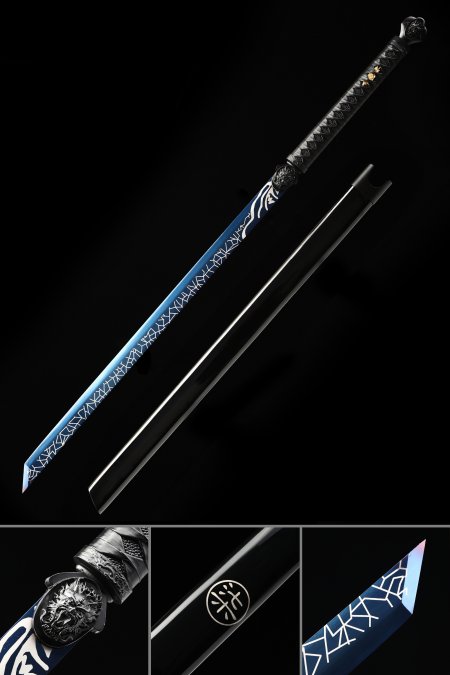
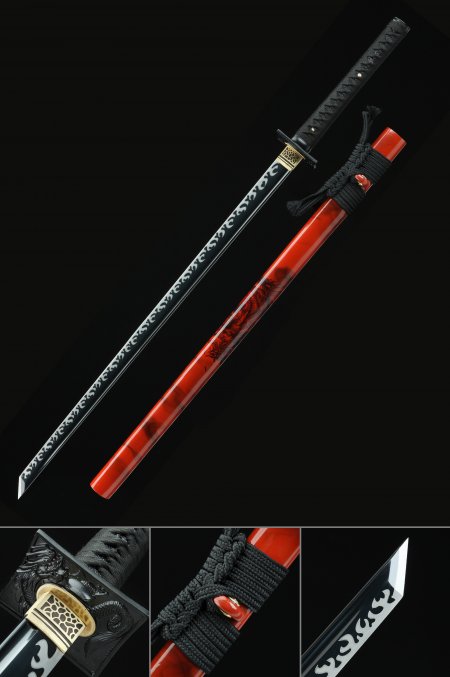
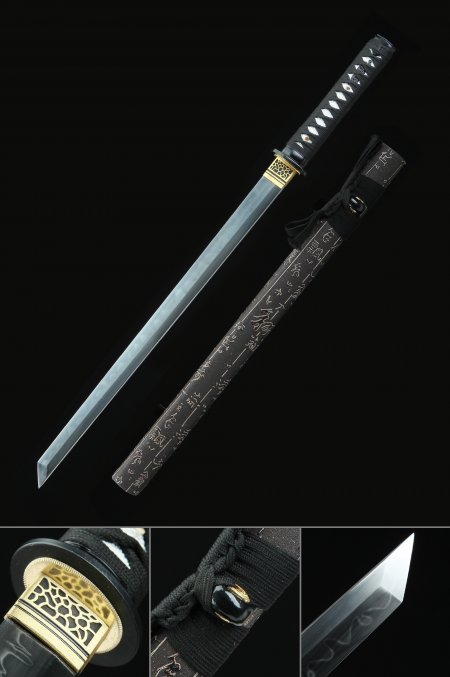
Dragon imagery has deep roots in Japanese sword fittings, making a dragon tsuba both historically informed and aesthetically bold. In classical Japanese metalwork, dragon motifs appeared frequently on tsuba, fuchi, and kashira from the Edo period onward, often rendered in shakudo (copper-gold alloy) or iron with detailed relief carving. The dragon carried associations with power, water, and protection — themes that made it a popular commission choice for samurai-class sword owners. On a modern collectible ninjato, a dragon tsuba connects the piece to that visual tradition while adding sculptural detail at the point where the handle meets the blade. For display purposes, a well-cast dragon tsuba catches light from multiple angles and adds a strong focal point to an otherwise linear silhouette.