What does clay tempering actually do to a katana blade?

 Updated Mar 2026

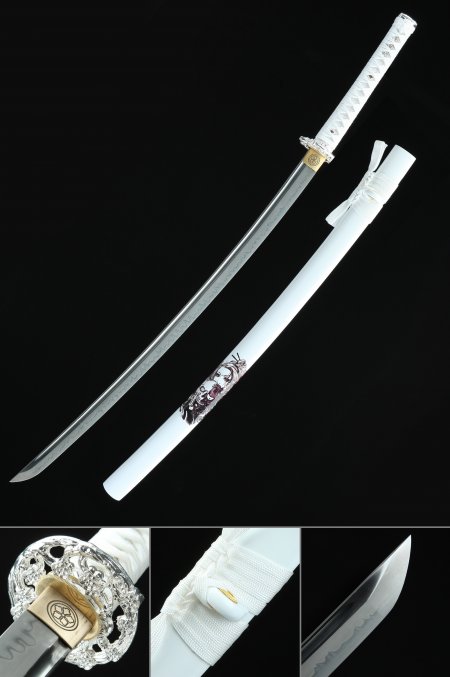
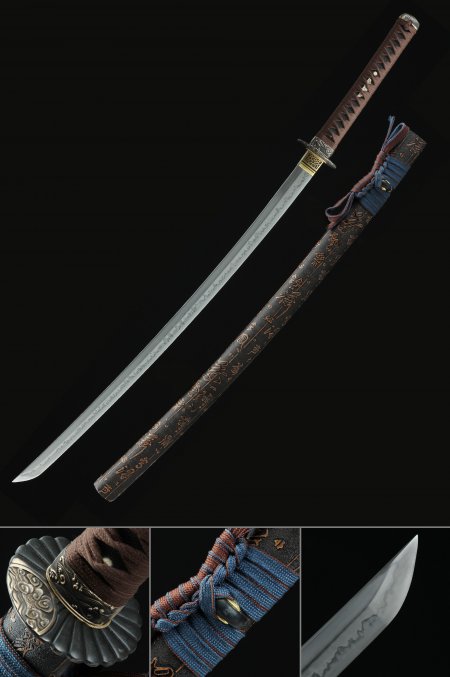
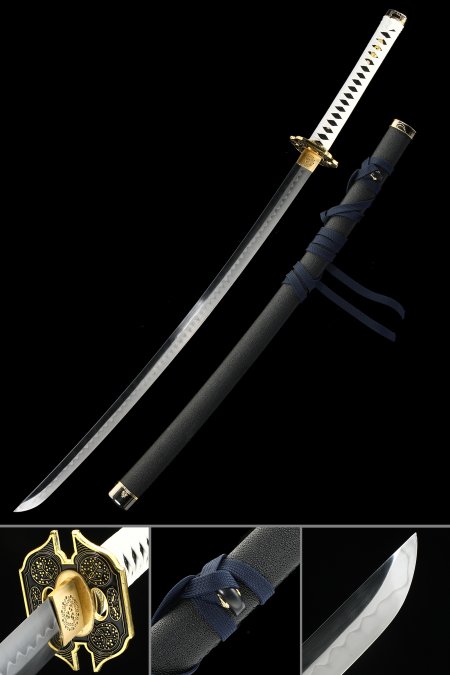
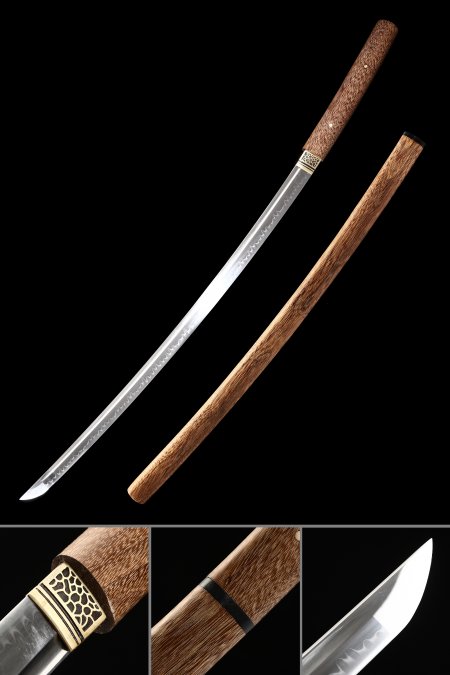
Clay tempering, known as tsuchioki in Japanese sword tradition, involves applying a clay mixture to the blade before the final quench. Thicker clay is applied along the spine (mune) and thinner or no clay along the cutting edge. During quenching, the edge cools faster and hardens into a crystalline structure called martensite, while the clay-insulated spine cools slowly and remains tougher and more flexible. The boundary between these two zones is the hamon - a wavy or irregular temper line visible on a polished blade. On T10 steel, the hamon is particularly crisp and active, making it one of the most sought-after visual and technical features for collectors who value process authenticity over purely cosmetic details.
Popular Products

15% OFFshirasaya tanto
149.00 USD
179.00 USD
20% OFFjapanese katana
169.00 USD
209.00 USD
20% OFFblack katana
209.00 USD
259.00 USD
15% OFFjapanese katana
199.00 USD
239.00 USD
15% OFFtanto sword
149.00 USD
179.00 USD
15% OFFwhite katana
209.00 USD
249.00 USD
20% OFFblue katana
209.00 USD
259.00 USD
15% OFFshirasaya tanto
149.00 USD
179.00 USD
20% OFFfull tang katana
319.00 USD
399.00 USD
20% OFF
259.00 USD
329.00 USD
20% OFFshirasaya katana
209.00 USD
259.00 USD
20% OFFchokuto sword
159.00 USD
199.00 USD
15% OFFshirasaya tanto
149.00 USD
179.00 USD
20% OFFjapanese katana
169.00 USD
209.00 USD
20% OFFblack katana
209.00 USD
259.00 USD
15% OFFjapanese katana
199.00 USD
239.00 USD
15% OFFtanto sword
149.00 USD
179.00 USD
15% OFFwhite katana
209.00 USD
249.00 USD
20% OFFblue katana
209.00 USD
259.00 USD
15% OFFshirasaya tanto
149.00 USD
179.00 USD
20% OFFfull tang katana
319.00 USD
399.00 USD
20% OFF
259.00 USD
329.00 USD
20% OFFshirasaya katana
209.00 USD
259.00 USD
20% OFFchokuto sword
159.00 USD
199.00 USD

Explore Our Collections