What should I know about Damascus steel before buying?
Updated Mar 2026
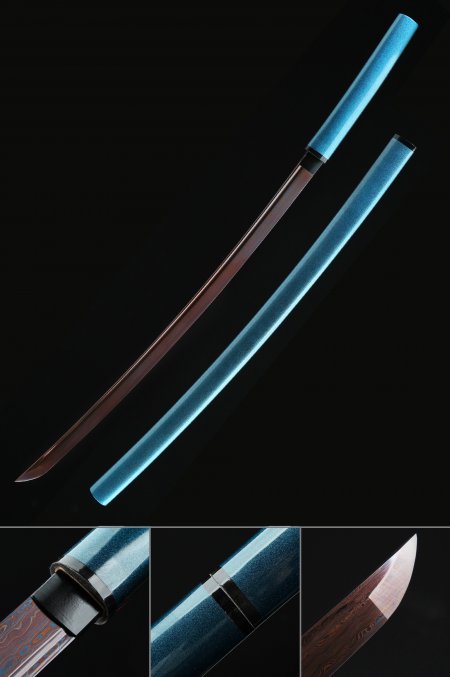
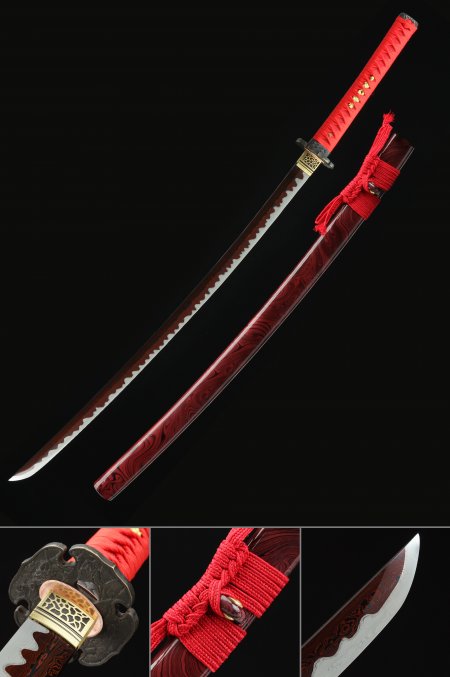
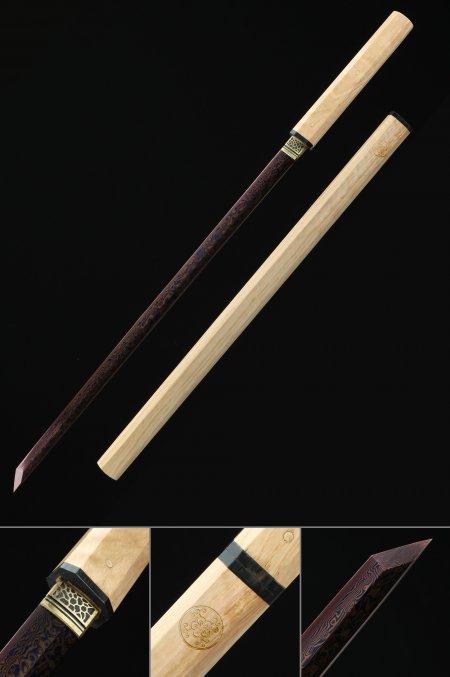
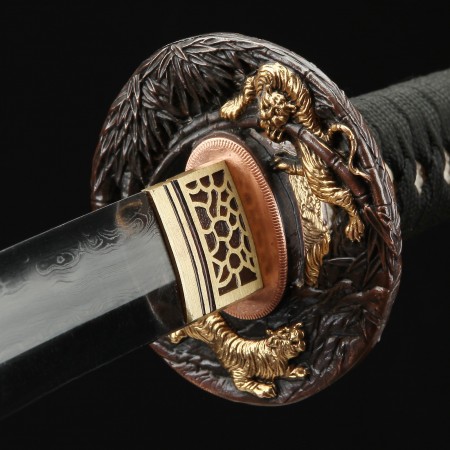
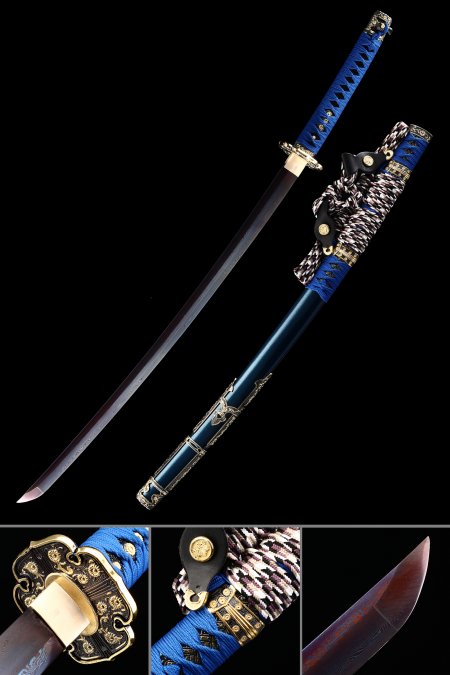
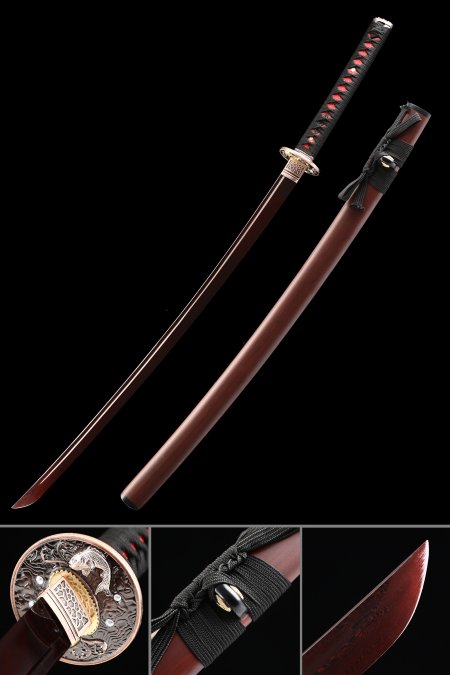
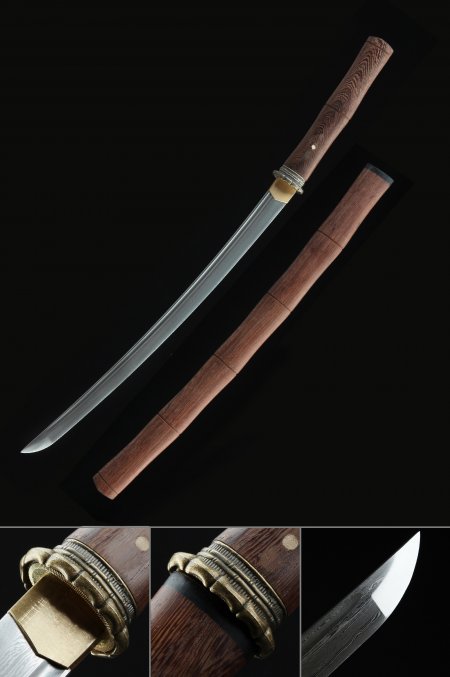
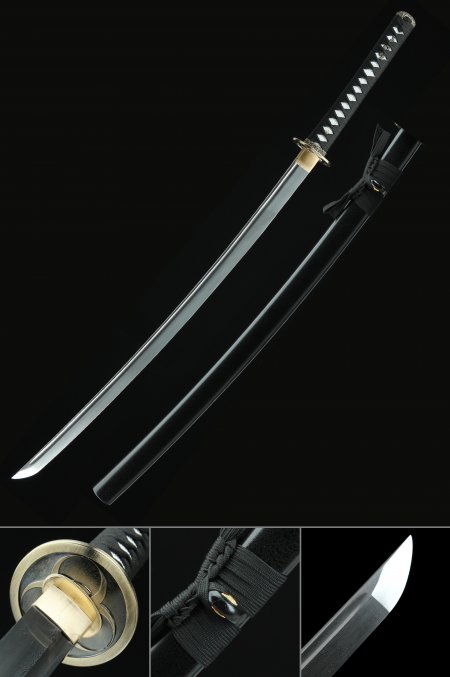
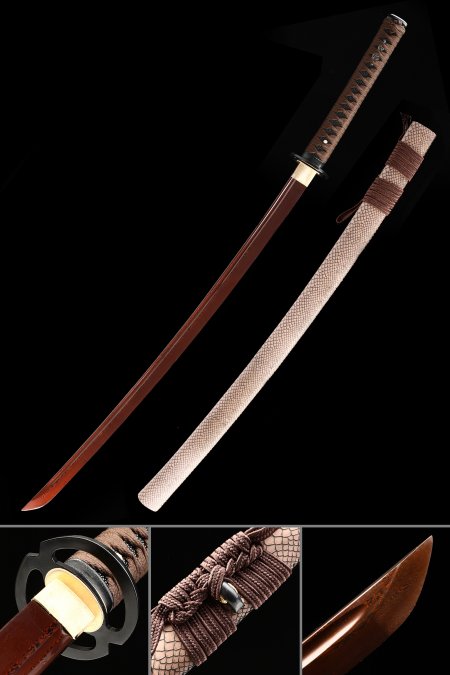
Damascus steel used in modern collectible tanto is produced through a process of layering and forge-welding multiple steel billets, then repeatedly folding the material to distribute the layers evenly. This process creates the characteristic flowing grain pattern visible on the blade surface — sometimes called a hamon or Damascus pattern depending on the technique used. Because the pattern forms organically during forging, no two Damascus blades are identical, which is a primary reason collectors are drawn to the material. The visual contrast between light and dark layers becomes more pronounced after polishing and etching. From a display perspective, Damascus steel blades are highly photogenic and hold strong visual presence even at a distance.