What defines a hamidashi compared to a standard tantō?
Updated Mar 2026
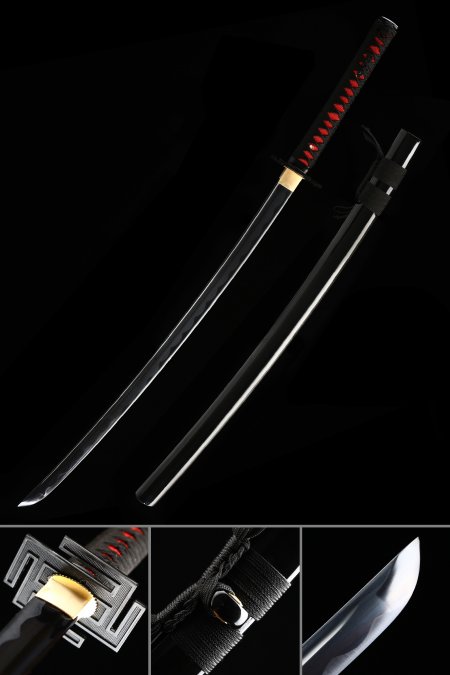
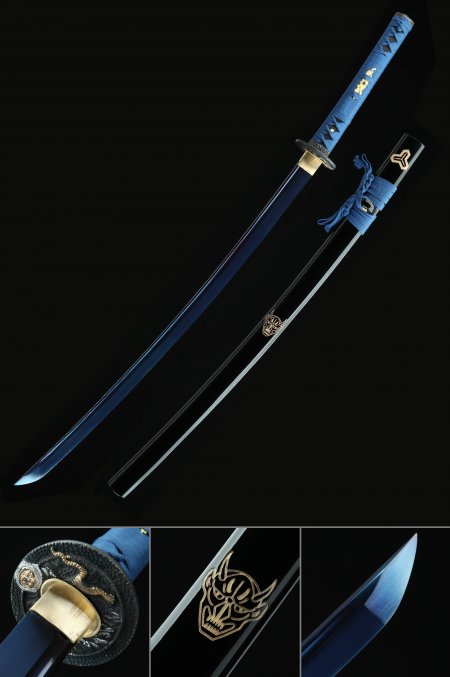
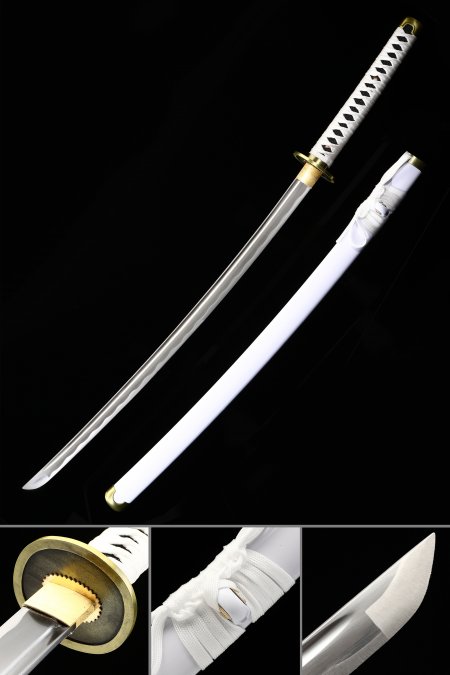
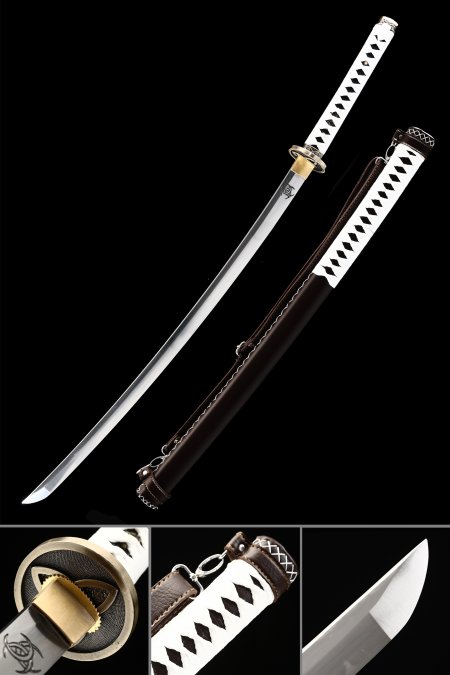
The hamidashi is distinguished by its ko-tsuba, a very small guard that barely extends past the blade's width. A conventional tantō can be fitted with either no guard at all (aikuchi style) or a full-sized tsuba similar to those found on longer blades. The hamidashi occupies a middle ground: the guard is present and visible, contributing to the overall composition of the koshirae, but it remains deliberately understated. This makes the hamidashi a favored format among collectors who want the visual completeness of a guarded blade without the heavier hardware that a full tsuba introduces. The result is a clean, elongated profile that lets the blade and saya carry the aesthetic conversation.