How does the camo saya affect the collectible value of a katana?
Updated Mar 2026
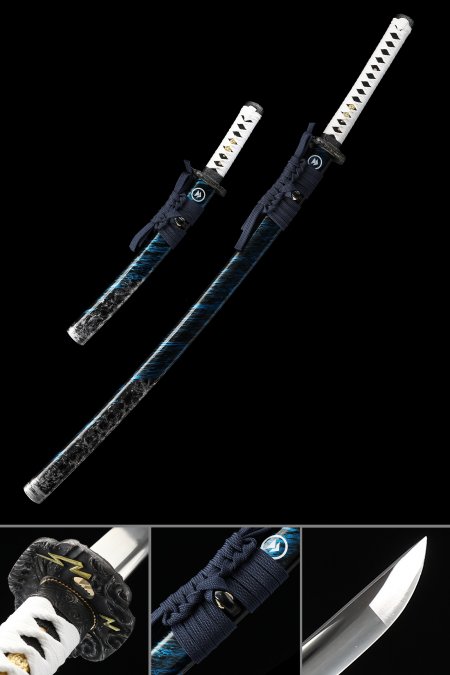
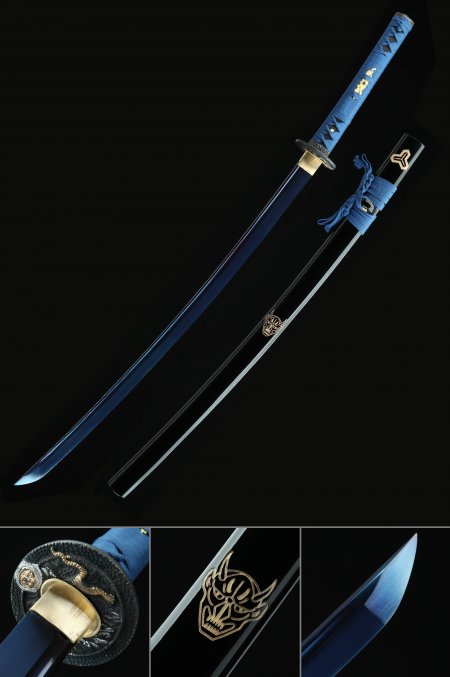
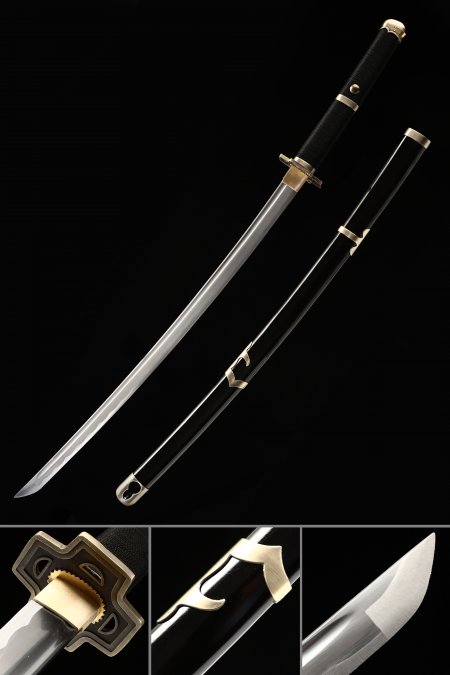
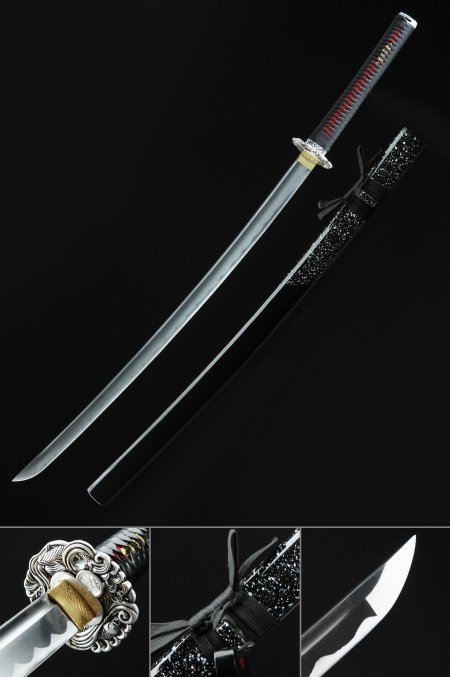
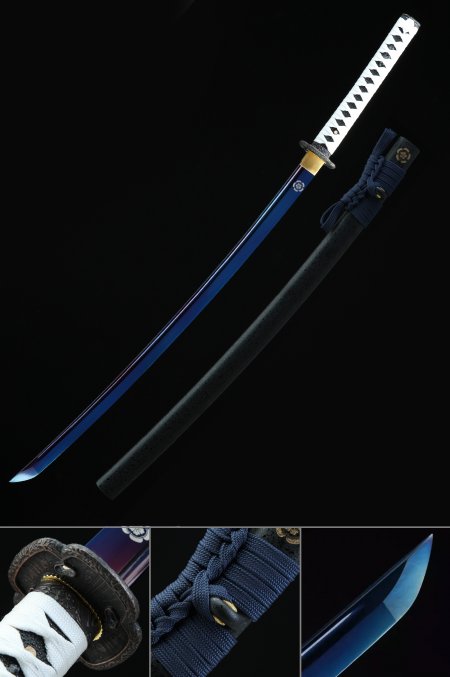
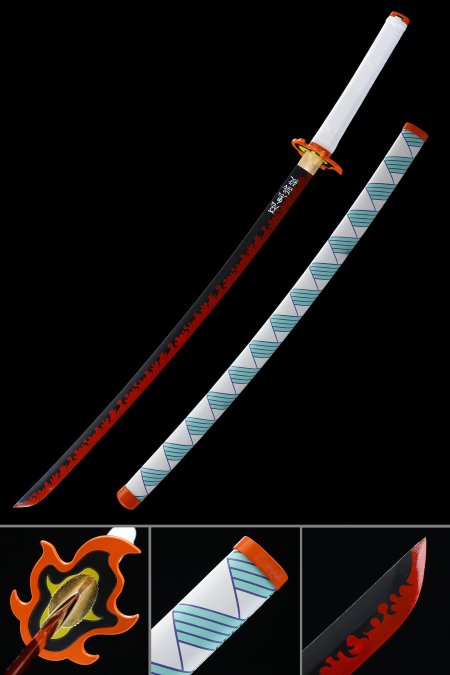
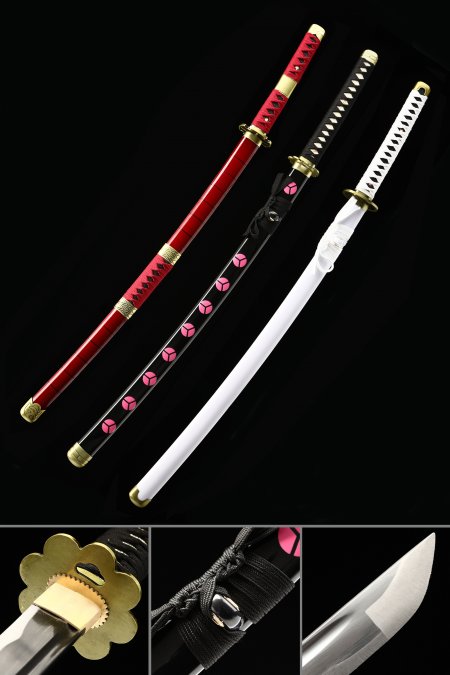
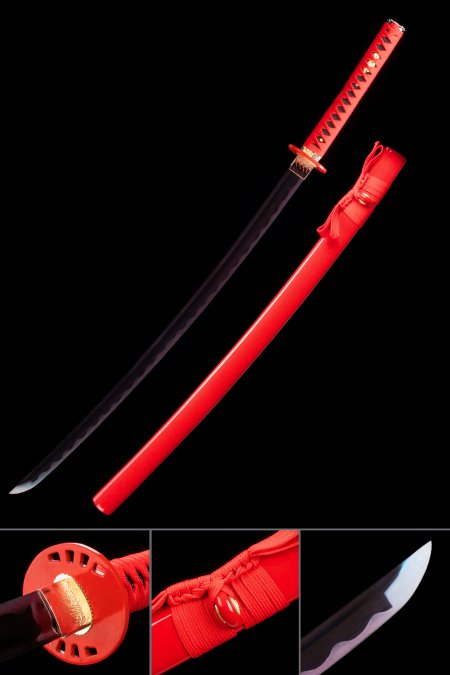
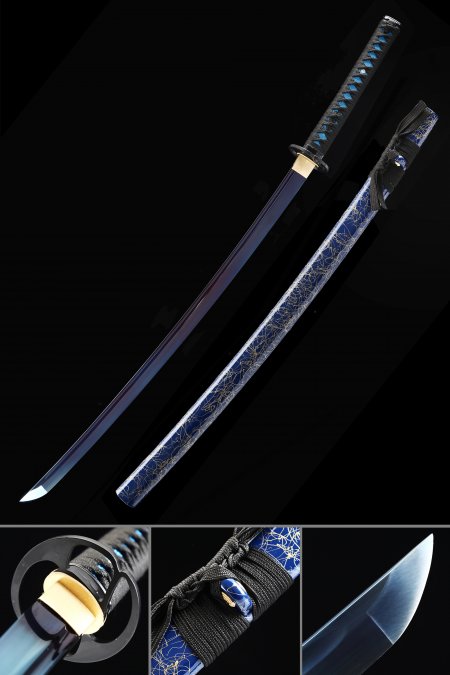
A camouflage-finished saya introduces a visual identity that separates these katana from traditional lacquered or plain wooden scabbard styles. From a collectible standpoint, the camo pattern — whether applied through dyed leather, painted hardwood, or wrapped materials — signals a specific design intention rather than a generic finish. Collectors who focus on military-themed Japanese edged collectibles, particularly pieces referencing WWII-era Shin Gunto swords, find that period-appropriate camo aesthetics add historical narrative to the display. For aesthetically driven collectors, the contrast between a camo saya and a black blade or a white tsuka creates a deliberate visual composition. Either way, the saya is not just a protective cover — it is a primary design element that contributes meaningfully to how the piece reads as a collectible artifact.