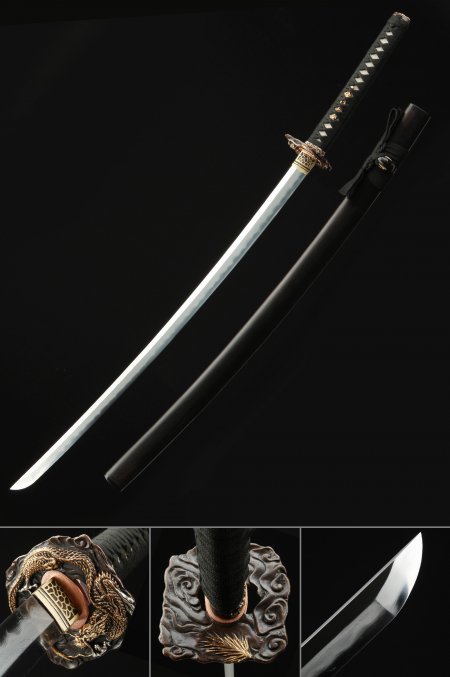
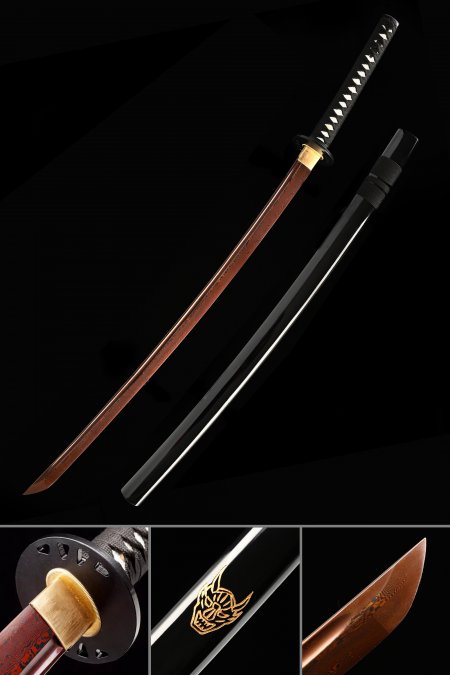
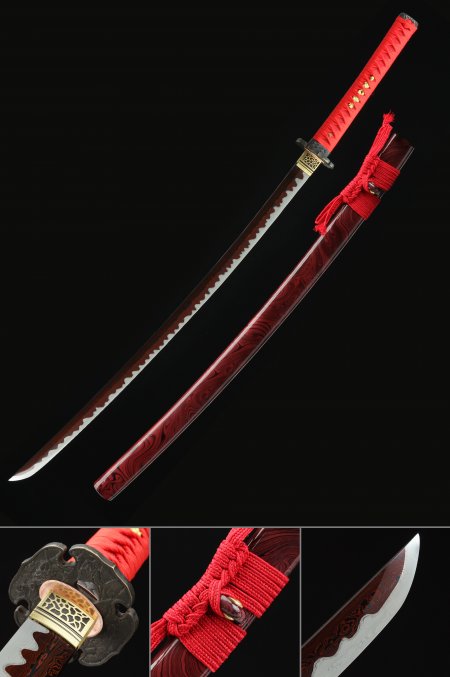
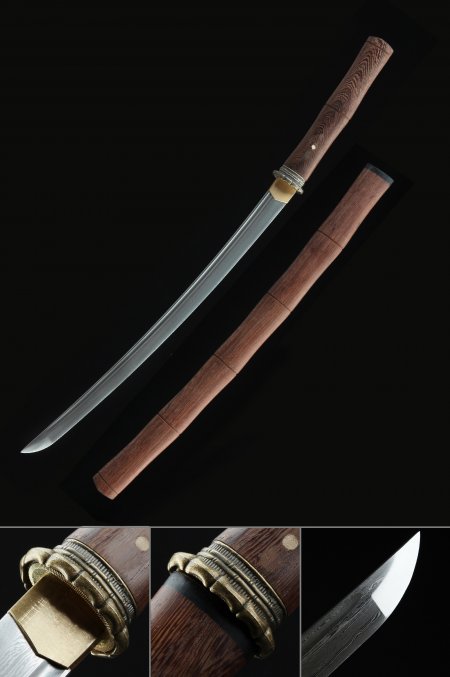
What makes Damascus steel visually unique on a tanto blade?
Updated Mar 2026
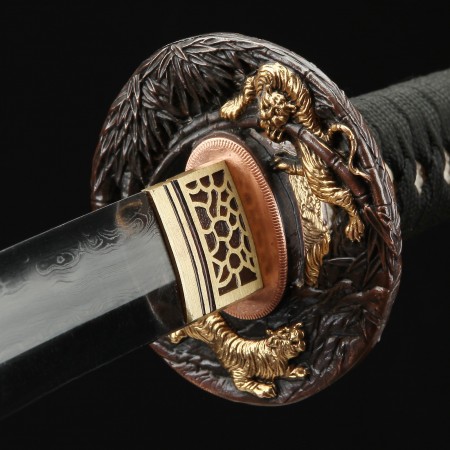
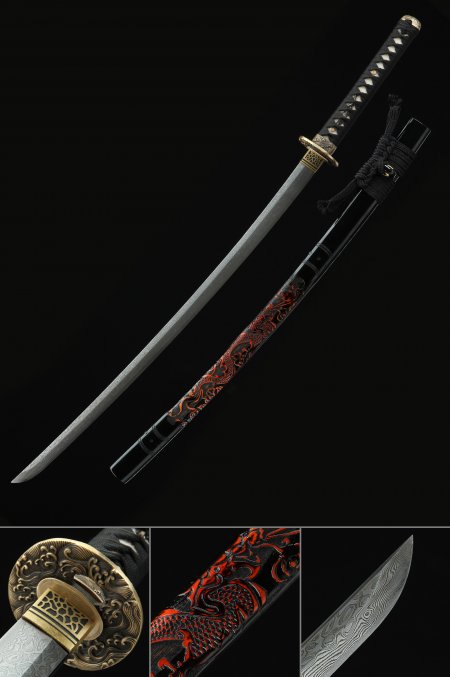
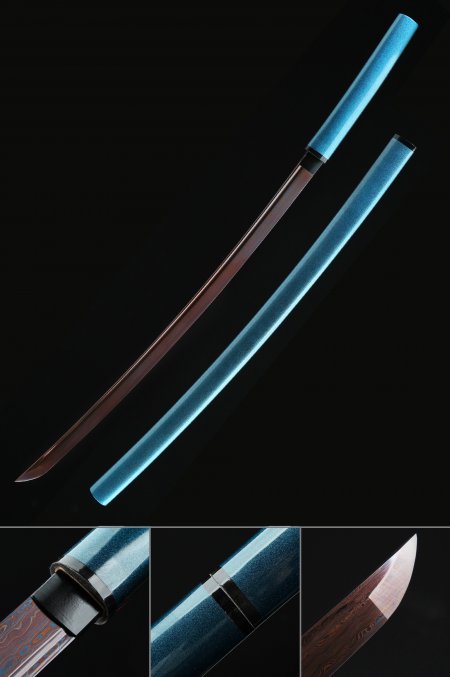
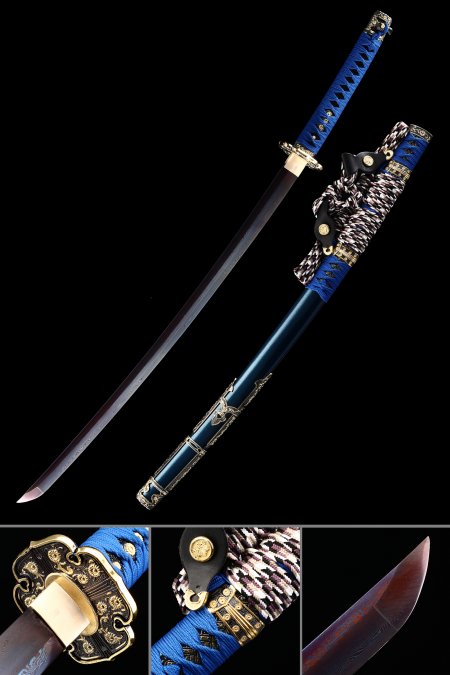
Damascus steel is produced by stacking and forge-welding multiple layers of high-carbon and lower-carbon steel, then repeatedly folding and drawing out the billet under heat and hammer. As the smith works the metal, the two alloys flow and intermingle, and when the finished blade is ground and etched with an acid solution, the differing carbon contents react at different rates — revealing the internal layer structure as a visible surface pattern. On a tanto, which has a relatively short and geometrically precise profile, those swirling or ladder-like Damascus patterns are especially prominent because there is less curvature to distract from the surface. Every blade etches differently depending on layer count, fold orientation, and steel composition, which means the pattern on a Damascus tanto is effectively unrepeatable. That individuality is a significant part of what draws serious collectors to Damascus pieces over blades ground from a single steel bar.