Is Damascus steel in a katana actually stronger than single-steel blades?
Updated Mar 2026
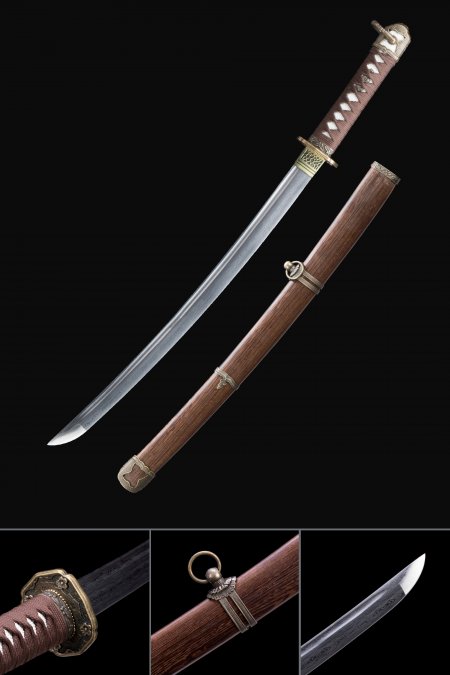
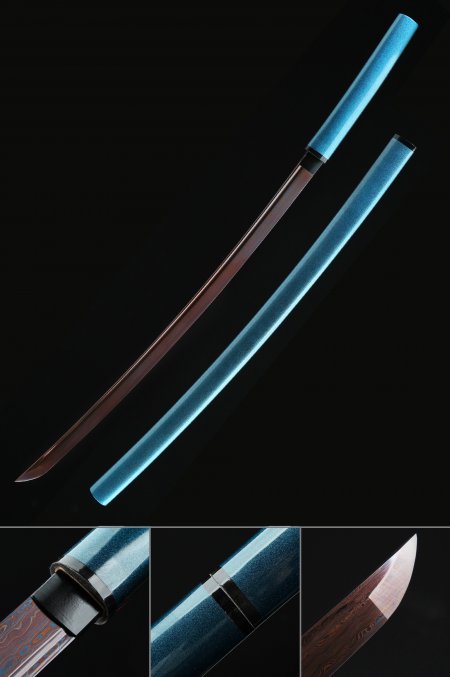
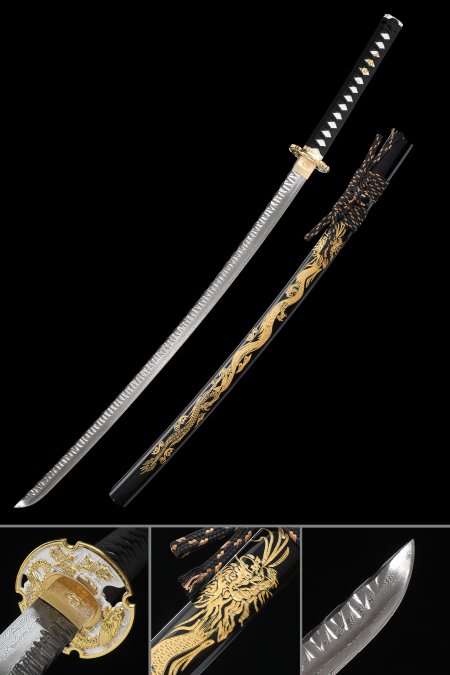
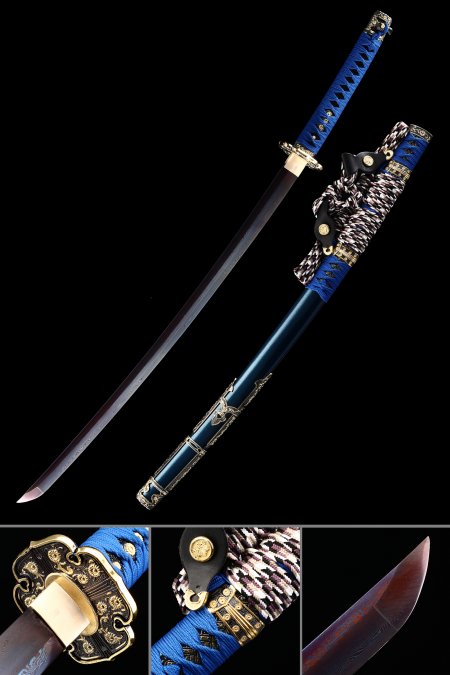
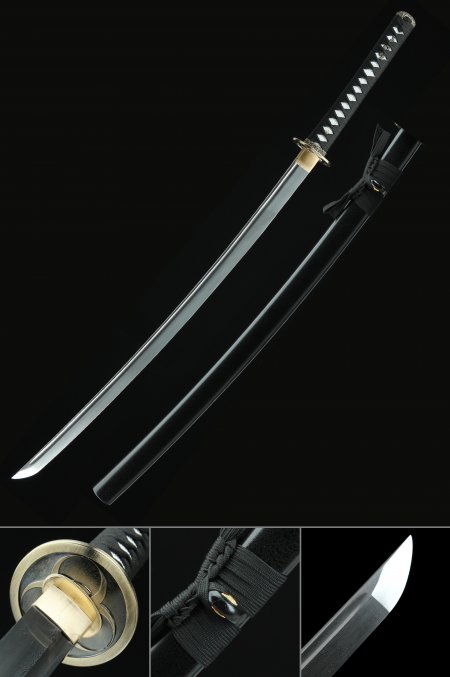
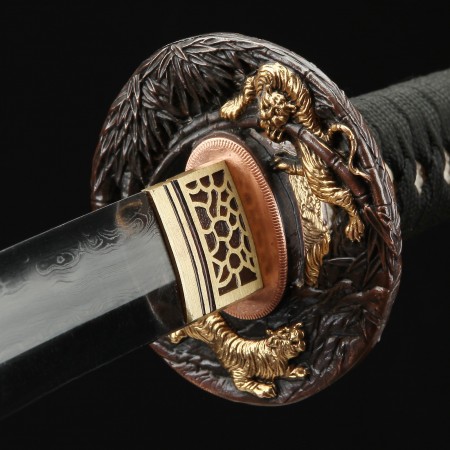
Damascus-patterned steel in modern katana is primarily a visual and craft achievement rather than a structural superiority claim. Pattern-welded Damascus involves forge-welding multiple steel billets together, folding and drawing them out repeatedly to create layered grain patterns that emerge through acid etching. The result is visually dramatic - flowing lines across the flat of the blade unique to each piece. In terms of structural performance for a display collectible, Damascus is entirely appropriate and often demonstrates exceptional surface finishing quality. Single-steel blades like T10 or 1060 carbon steel offer more predictable and uniform hardness profiles. The choice between them for collection purposes is largely aesthetic: Damascus for visual complexity, single-steel for hamon clarity and traditional presentation.