How does T10 steel differ from 1045 in this collection?
Updated Mar 2026
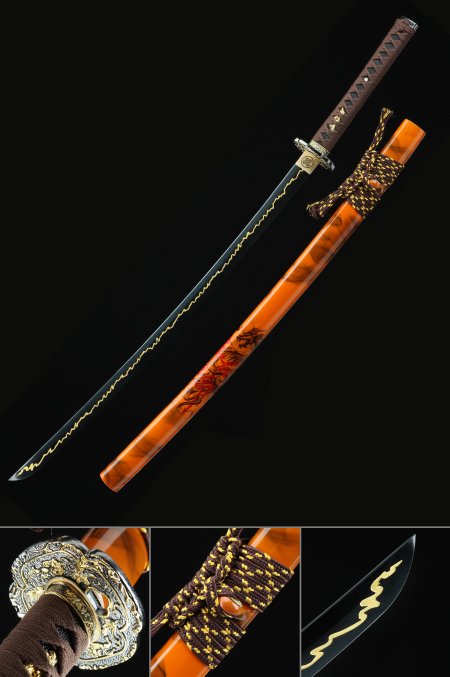
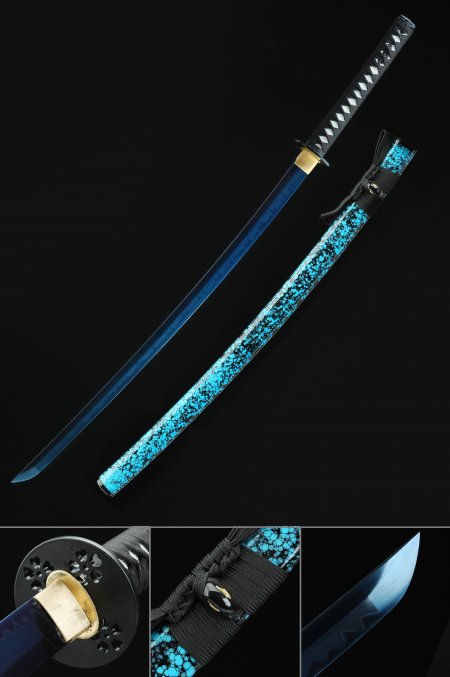
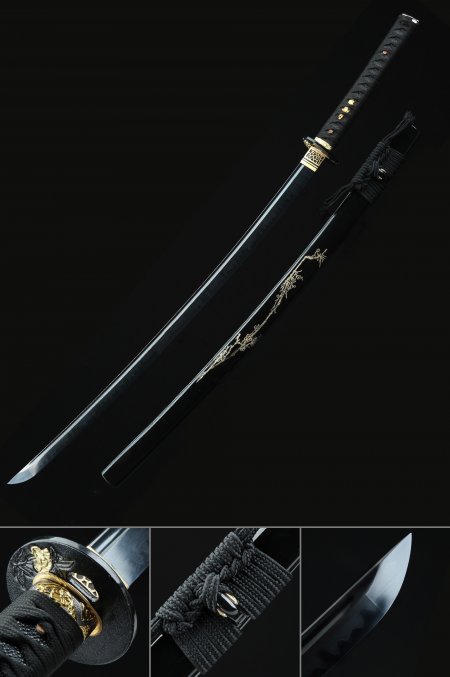
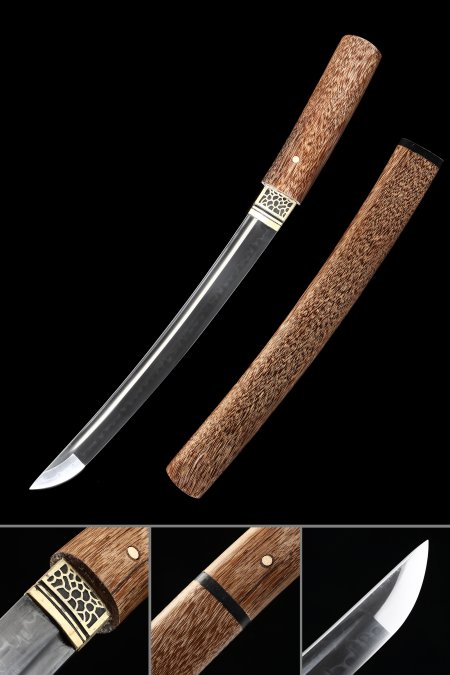
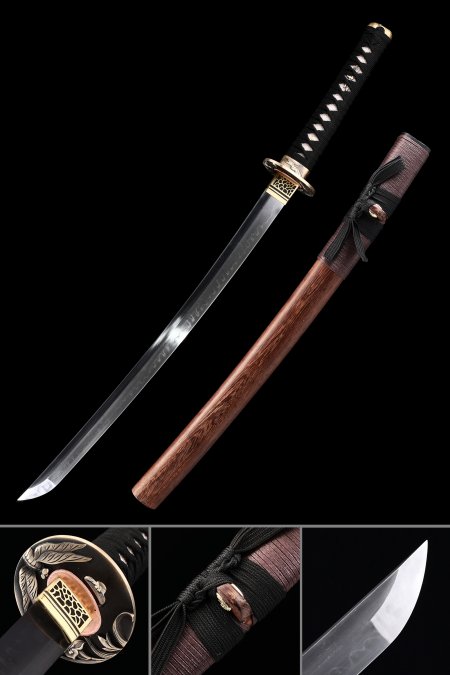
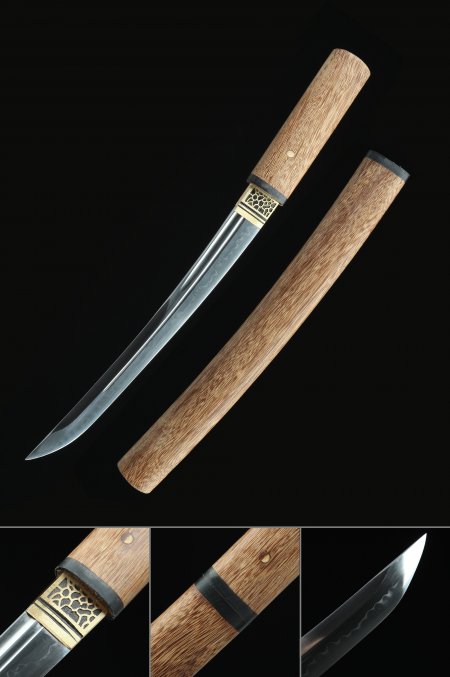
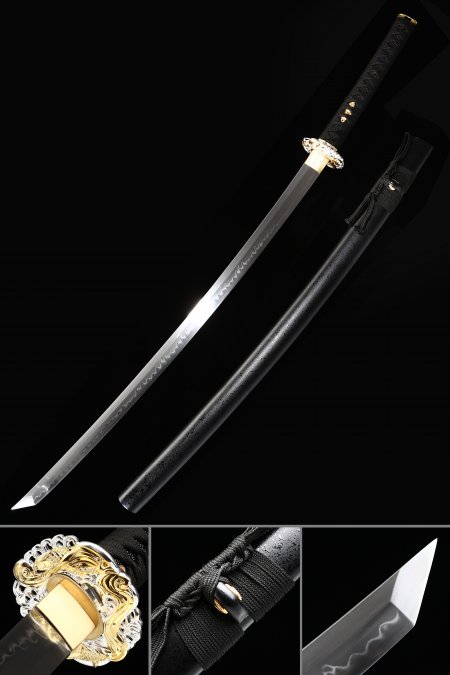
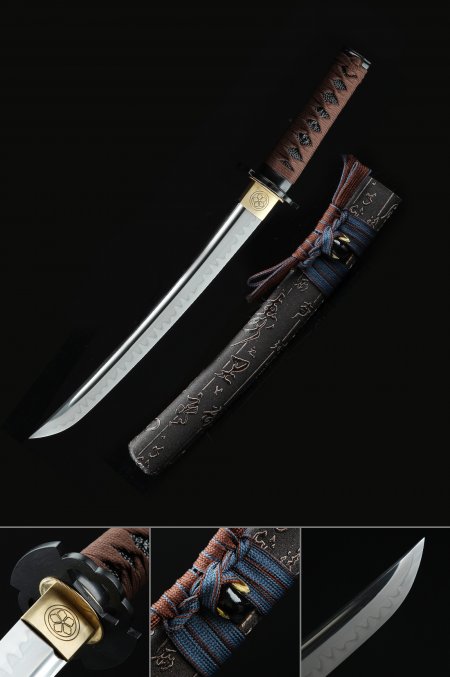
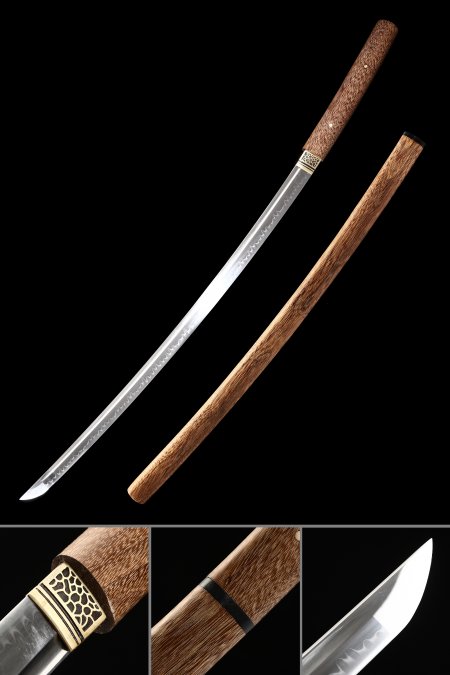
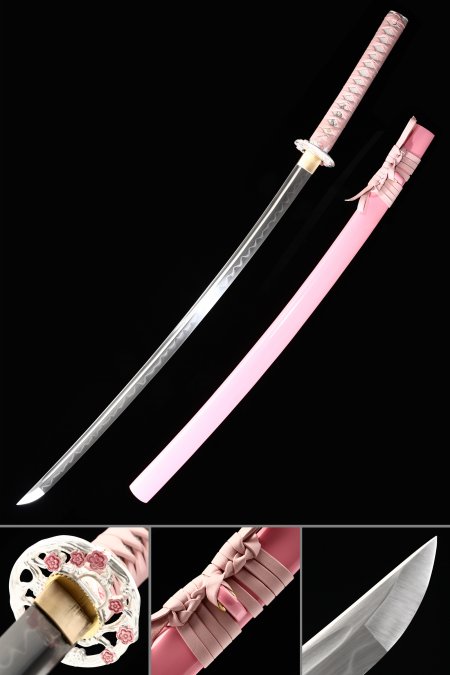
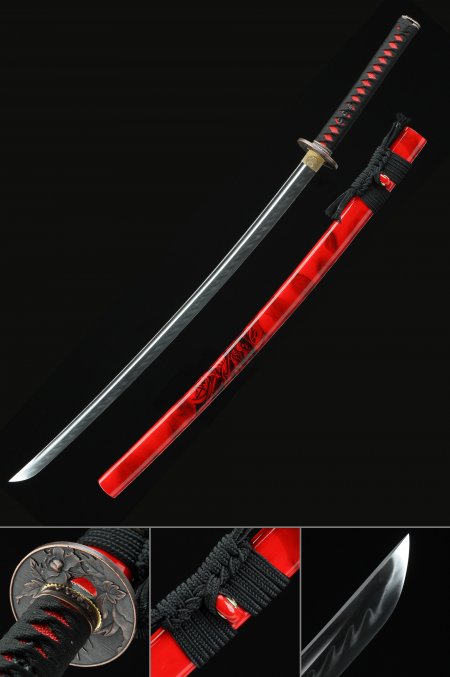
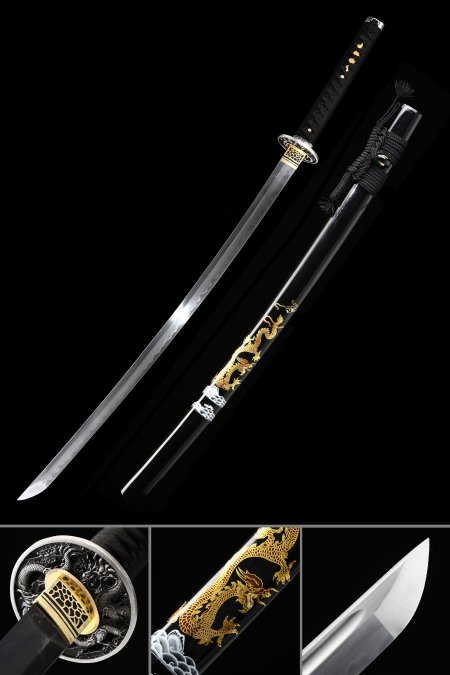
Both steels are high-carbon alloys well suited to collectible katana production, but they differ in composition and visual character. 1045 carbon steel contains roughly 0.45% carbon and produces a clean, consistent blade finish that accepts engraving with sharp edge definition - ideal for display pieces where bold fittings like red lacquer saya or gold-tone ornaments take the lead. T10 carbon steel adds a small percentage of tungsten to the alloy, which increases wear resistance and, more importantly for collectors, allows the clay-tempering process to produce a pronounced, naturally occurring hamon - the distinctive temper line that separates hardened edge from softer spine. On a T10 blade, this hamon interacts visually with the bamboo engraving to create a layered aesthetic that 1045 pieces do not replicate. Collectors who prioritize visible metallurgical character typically favor T10; those who prefer bold color contrast between blade and koshirae often prefer 1045.