How does a ninjato differ from a katana in terms of collector appeal?
Updated Mar 2026
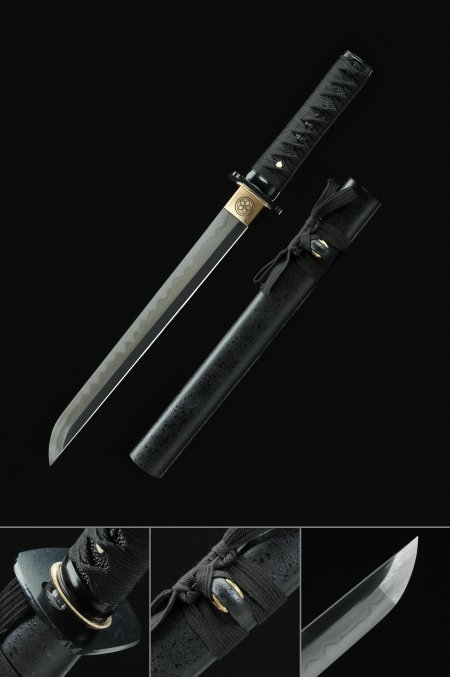
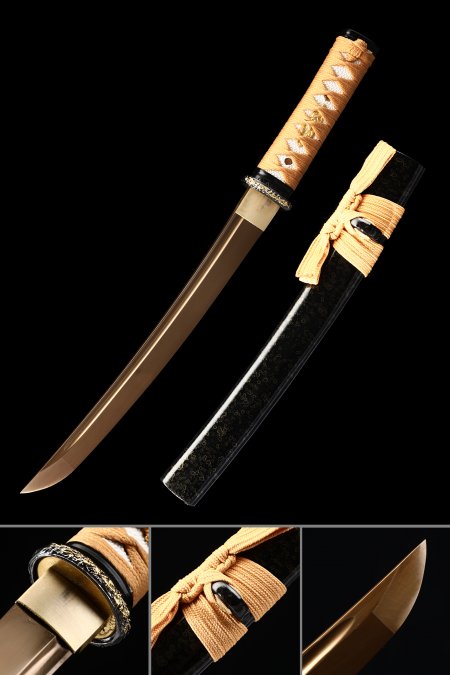
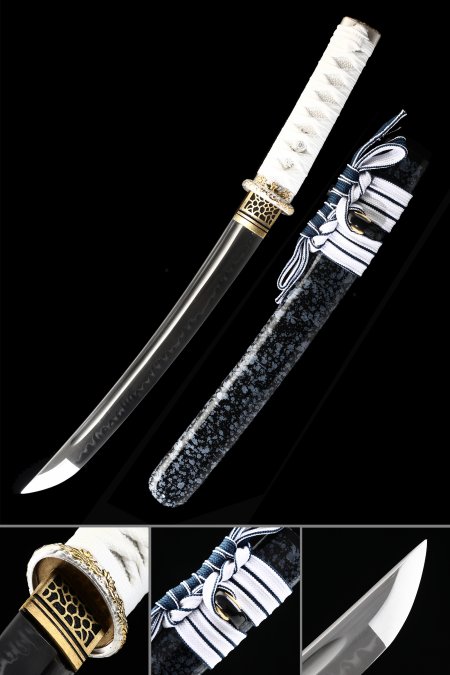
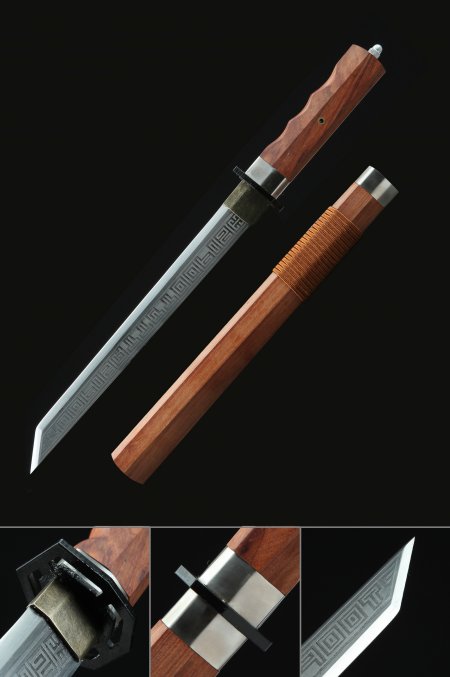
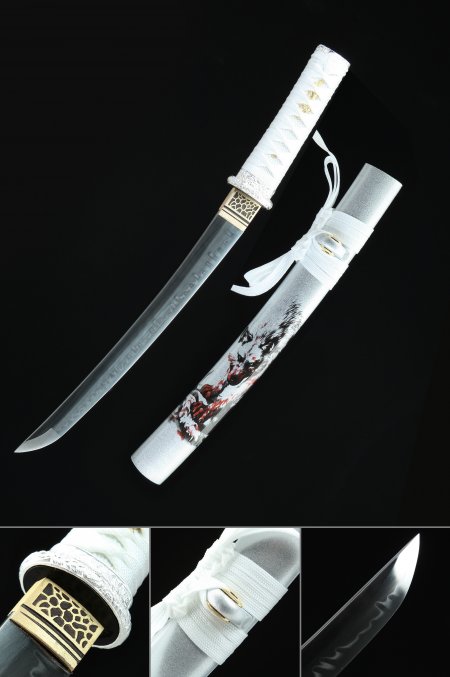
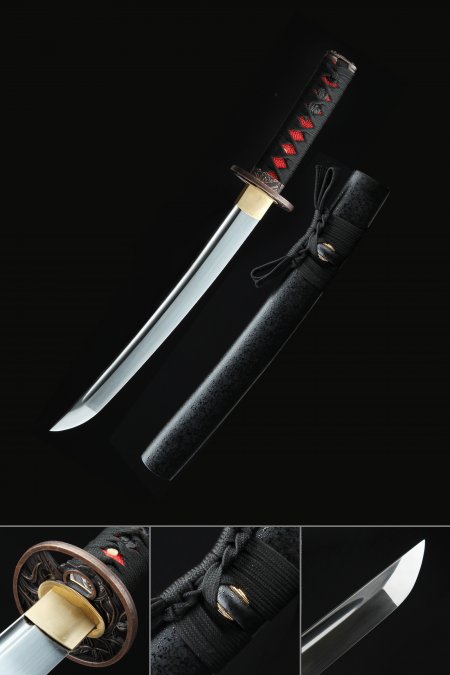
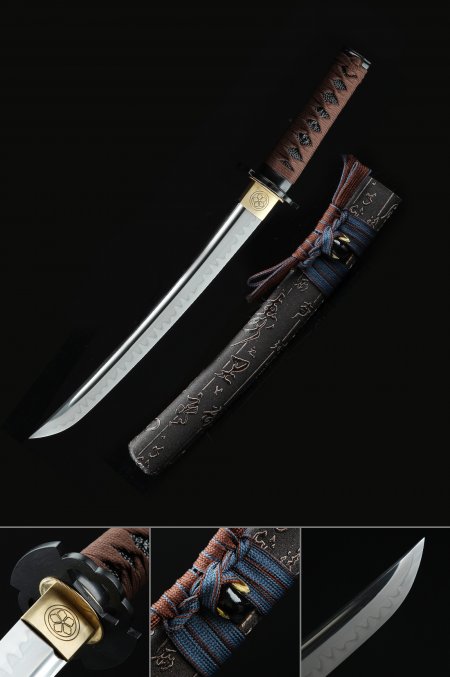
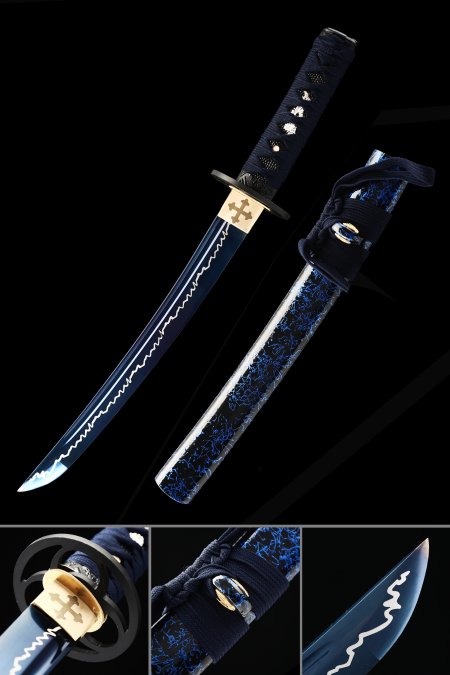
The katana's curved, single-edge blade is the iconic centerpiece of Japanese sword collecting, but the ninjato offers a distinctly different visual and historical narrative. Where a katana tsuba tends toward circular, finely pierced ironwork, ninjato fittings — lion reliefs, skull castings, dragon profiles — lean into a bolder, more dramatic aesthetic language. The ninjato's straighter blade geometry also means that engraved surface details like wave patterns and hamon lines read differently: rather than following a dramatic curve, they run along a more architectural, linear profile that creates a stark, graphic presentation in display. For collectors building a diverse Japanese sword display, a ninjato serves as a strong visual counterpoint to katana and tanto pieces, broadening the narrative range of the collection.