What does clay tempering mean, and why does it matter?
Updated Mar 2026
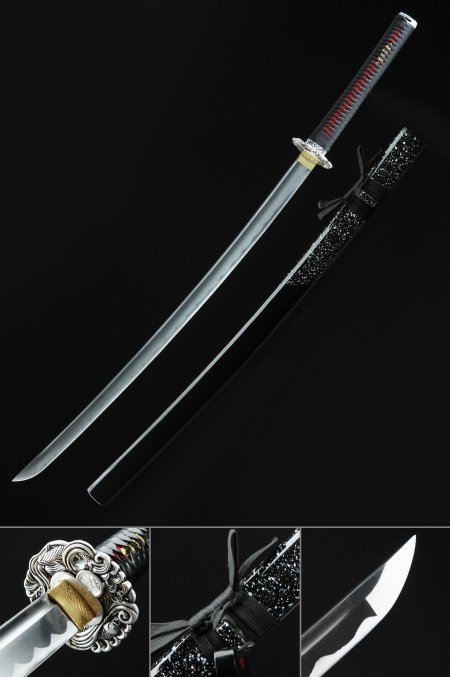
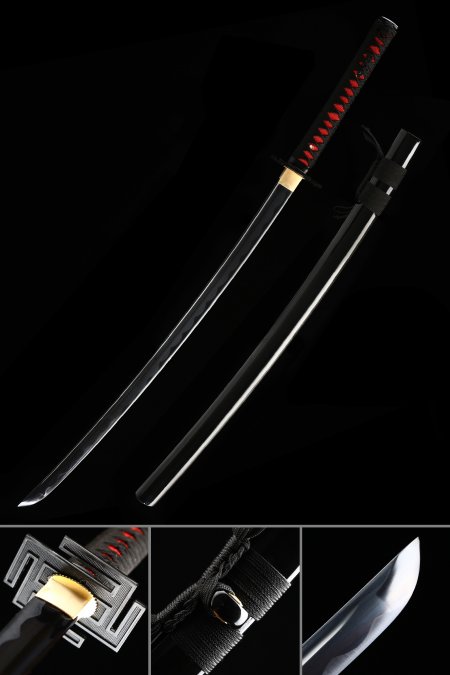
Clay tempering is a traditional Japanese heat treatment technique in which a clay mixture is applied unevenly along the blade before it is quenched in water or oil. The clay insulates the spine, causing it to cool slowly and remain relatively soft and flexible, while the uncoated edge cools rapidly, becoming harder and more capable of holding fine geometry. The boundary between these two zones produces the hamon - the visible temper line that runs along the side of the blade. A real hamon formed through this process is unique to each blade and cannot be replicated by acid etching or grinding. It serves as both an aesthetic feature and a direct record of the blade's thermal history, which is why clay-tempered pieces are consistently valued more highly among knowledgeable collectors.