How does a ninjato differ from a katana as a display piece?
Updated Mar 2026
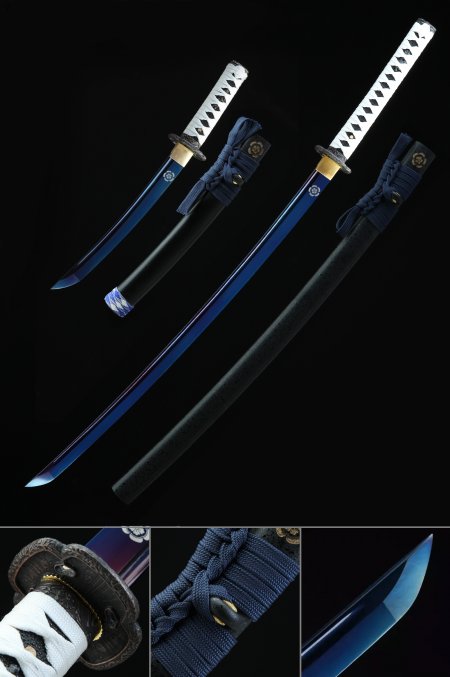
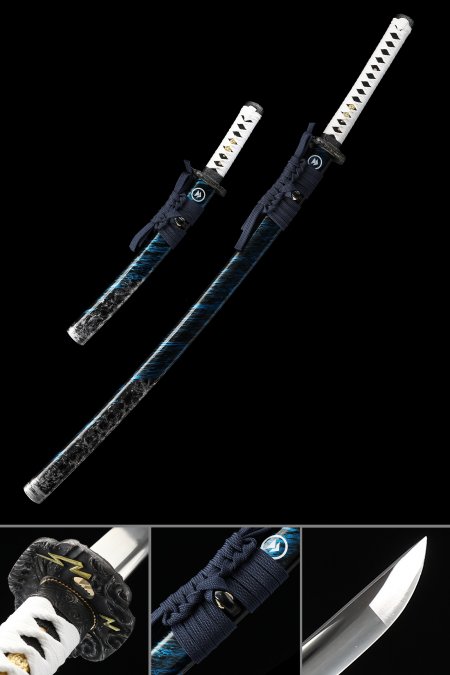
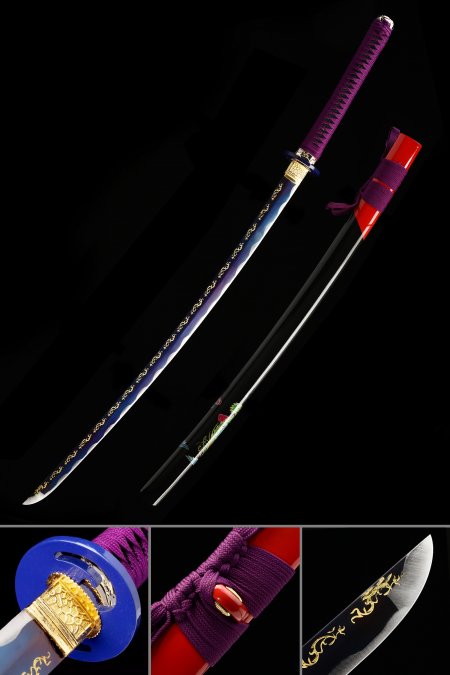
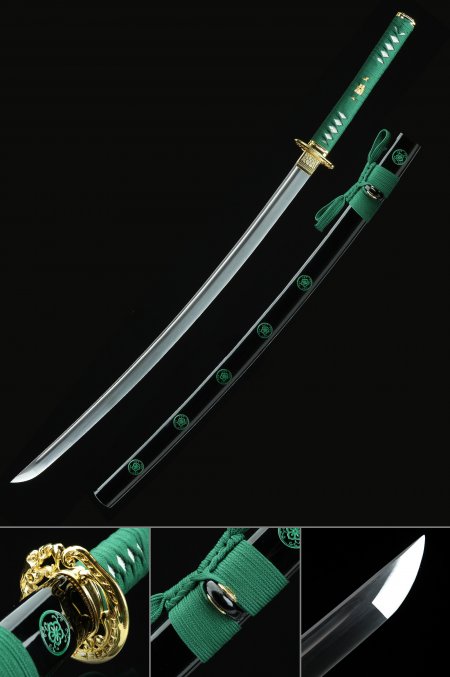
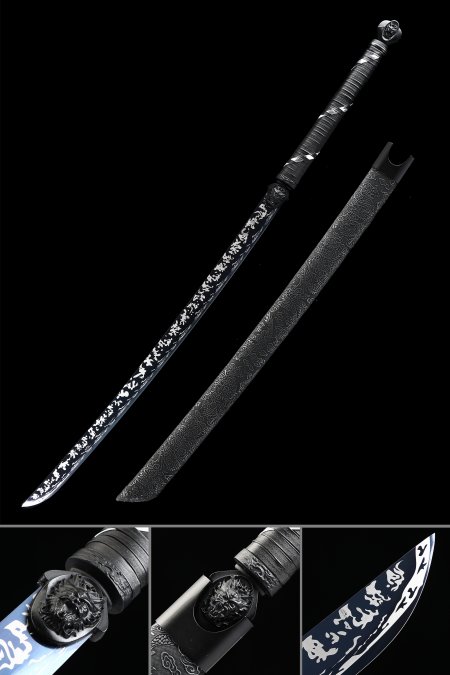
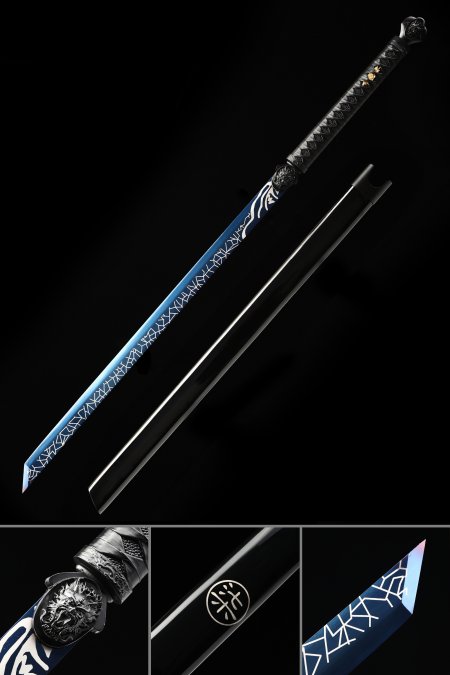
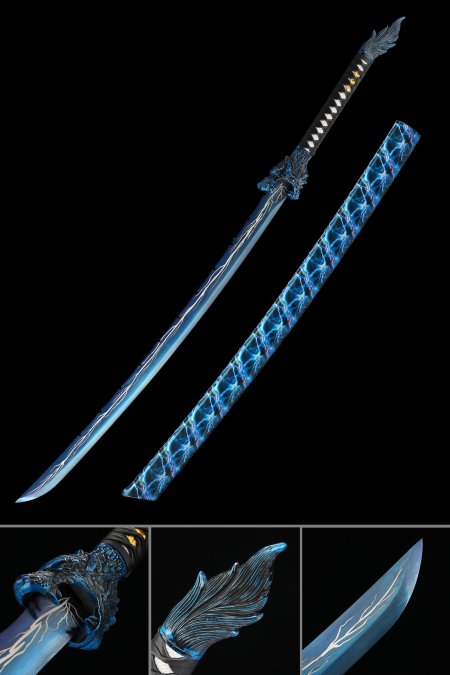
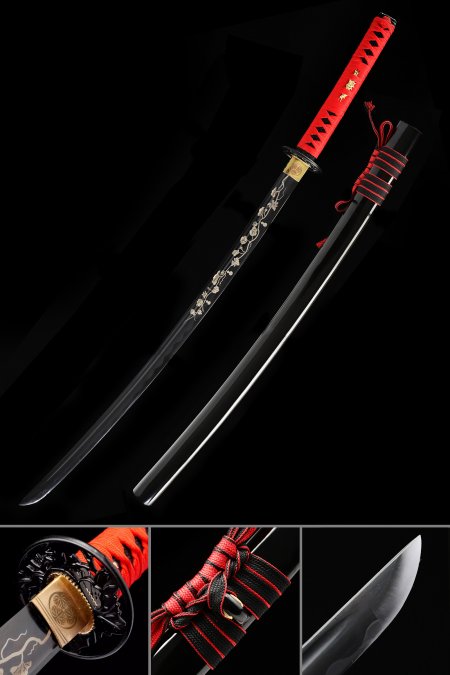
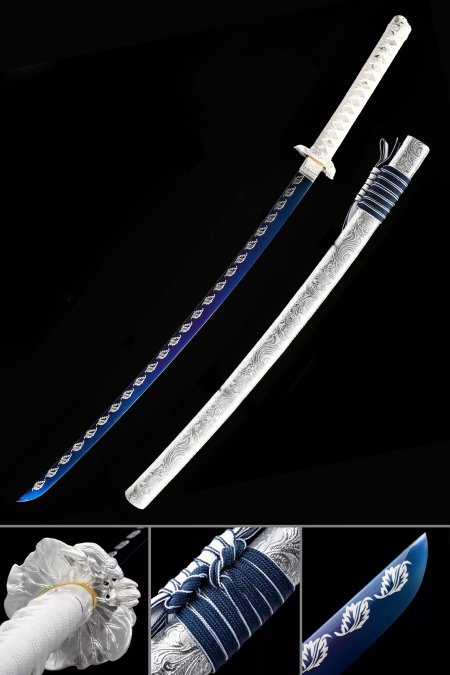
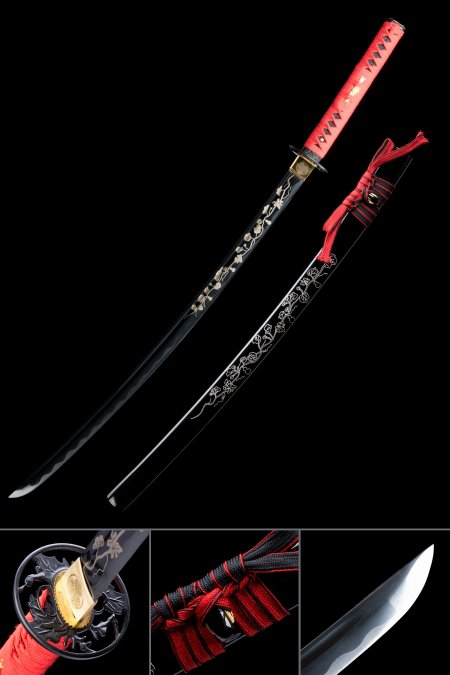
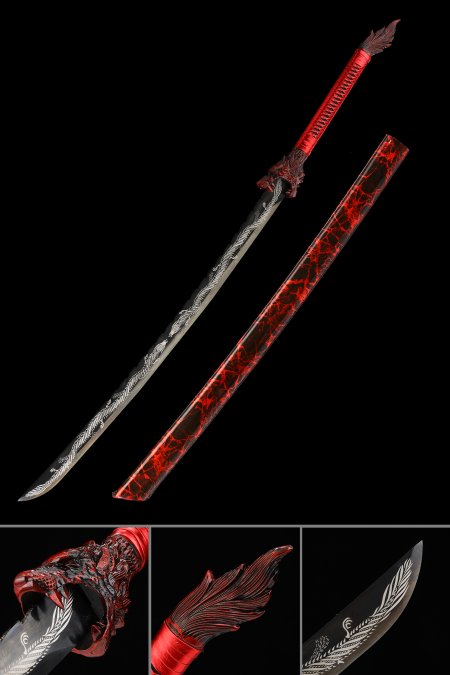
The most immediately visible difference is blade geometry. A katana features a pronounced curve (sori) along its length, while a ninjato is typically straight or carries only a very slight curvature. This gives mounted ninjato a more architectural, geometric look on a display stand — cleaner horizontal lines that suit modern interiors as readily as traditional sword rooms. The ninjato also tends to have a square or slightly rectangular tsuba rather than the rounded guard common on katana, adding to its angular visual character. For collectors who already own a curved katana and want contrast within the same display, a straight-profiled ninjato in a matching color family — such as the red manganese variants here — creates an appealing visual dialogue between the two forms.