How does clay tempering affect a katana's hamon compared to oil quenching?

 Updated Mar 2026

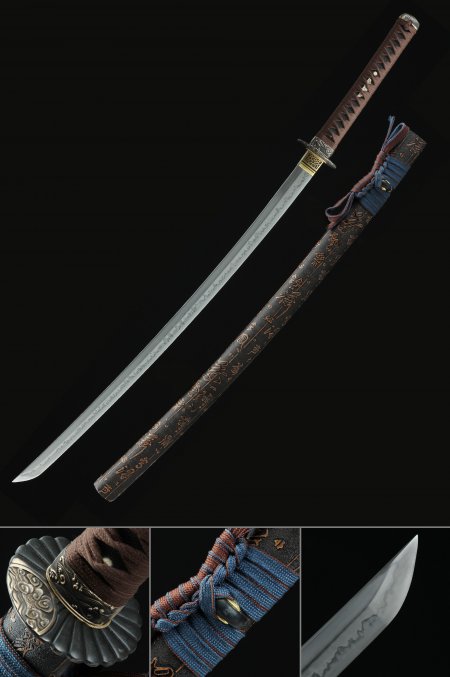
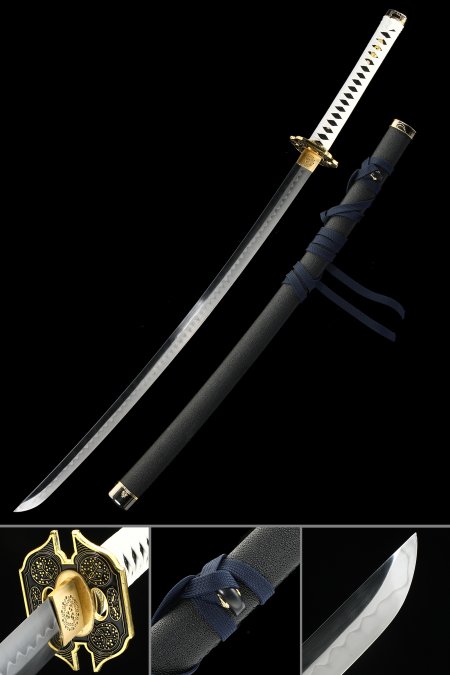
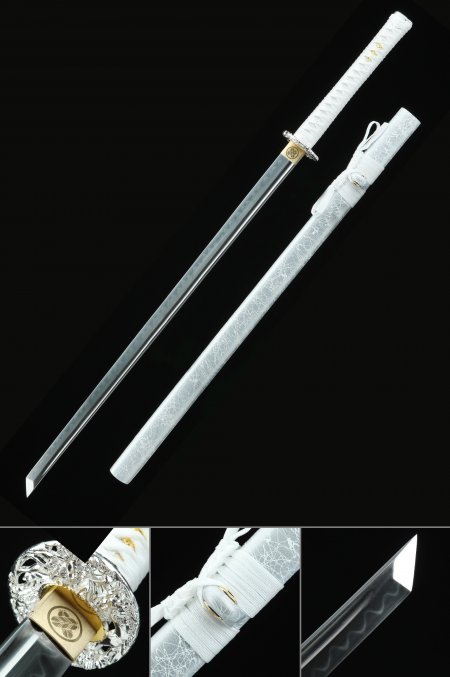
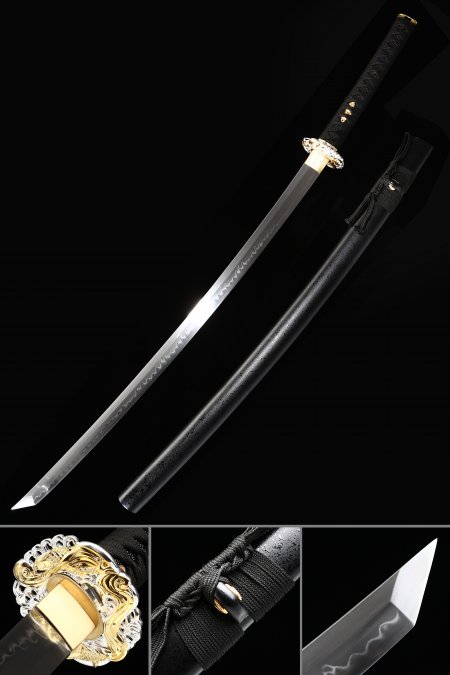
Oil quenching produces a uniform hardness along the entire blade, which may result in a faint or absent hamon. Clay tempering - applying a thick clay layer to the spine before quenching - insulates that section from the rapid cooling, leaving it softer and more flexible. The exposed edge hardens quickly, and the transition zone between these two states is where the hamon forms. On a T10 clay-tempered blade, this line often shows complex activity: misty clouds of nioi, bright sparkling nie crystals, and subtle undulations that vary from sword to sword. Because each clay application is done by hand, no two hamon are identical, which is a major part of what makes individual pieces collectible rather than interchangeable.
Popular Products

15% OFFtanto sword
179.00 USD
209.00 USD
20% OFFshirasaya katana
209.00 USD
259.00 USD
15% OFFjapanese katana
199.00 USD
239.00 USD
15% OFFred katana
199.00 USD
229.00 USD
20% OFFfull tang katana
319.00 USD
399.00 USD
20% OFFjapanese katana
209.00 USD
259.00 USD
15% OFFtanto sword
149.00 USD
179.00 USD
20% OFFblue katana
209.00 USD
259.00 USD
15% OFFshirasaya tanto
149.00 USD
179.00 USD
20% OFF
259.00 USD
329.00 USD
20% OFFchokuto sword
159.00 USD
199.00 USD
15% OFFblack katana
199.00 USD
229.00 USD
15% OFFtanto sword
179.00 USD
209.00 USD
20% OFFshirasaya katana
209.00 USD
259.00 USD
15% OFFjapanese katana
199.00 USD
239.00 USD
15% OFFred katana
199.00 USD
229.00 USD
20% OFFfull tang katana
319.00 USD
399.00 USD
20% OFFjapanese katana
209.00 USD
259.00 USD
15% OFFtanto sword
149.00 USD
179.00 USD
20% OFFblue katana
209.00 USD
259.00 USD
15% OFFshirasaya tanto
149.00 USD
179.00 USD
20% OFF
259.00 USD
329.00 USD
20% OFFchokuto sword
159.00 USD
199.00 USD
15% OFFblack katana
199.00 USD
229.00 USD

Explore Our Collections