How does clay tempering affect the appearance of a T10 steel blade?
Updated Mar 2026
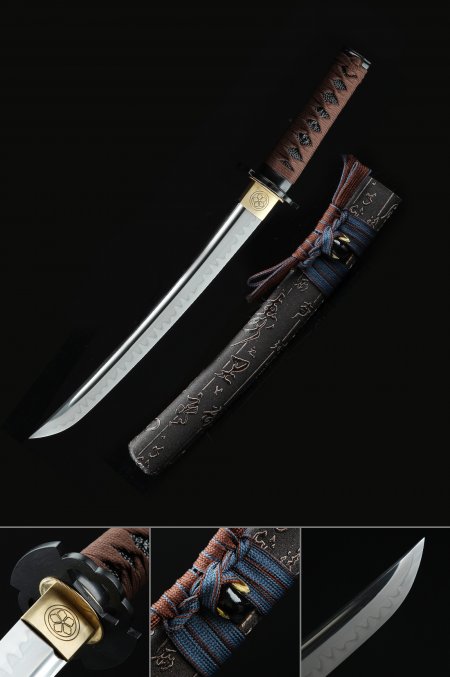
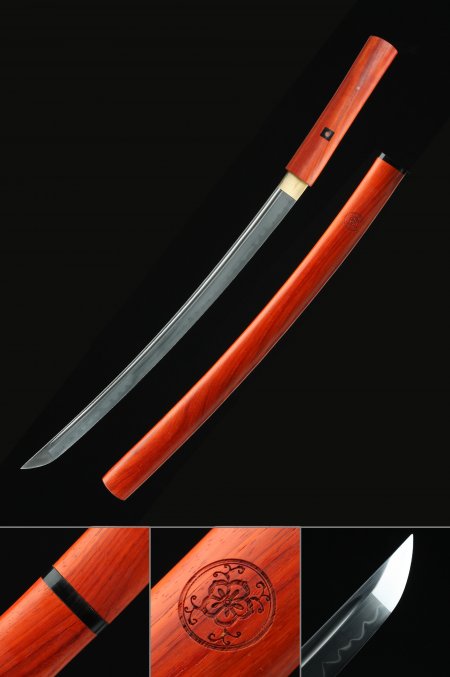
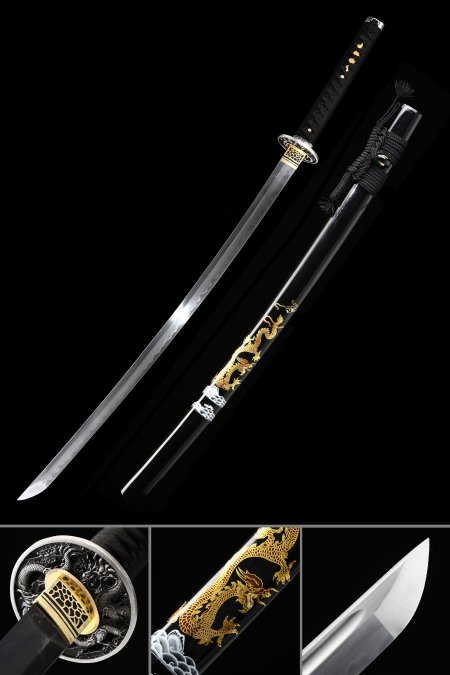
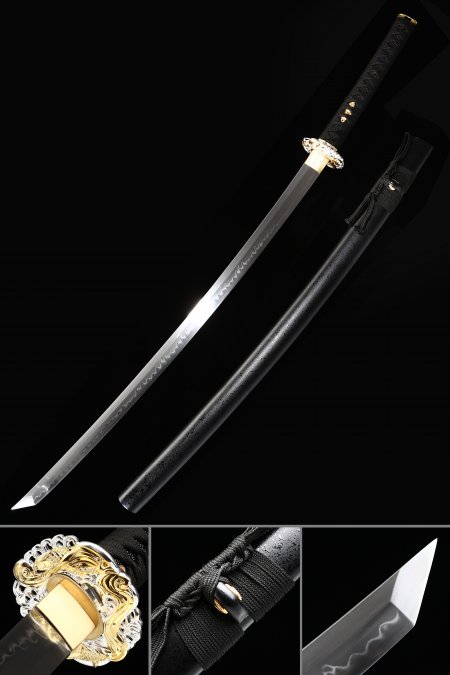
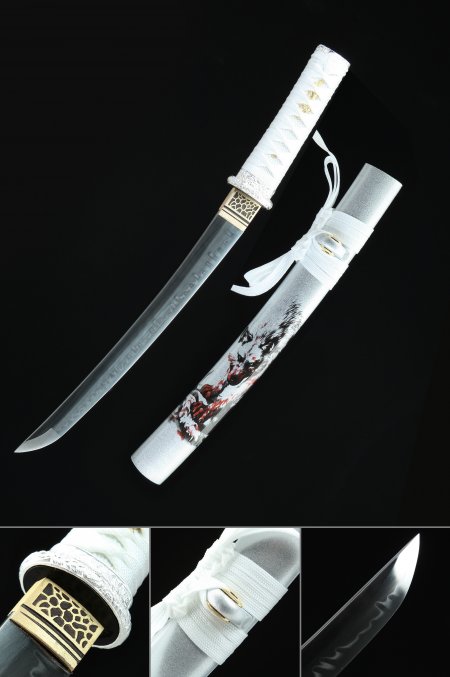
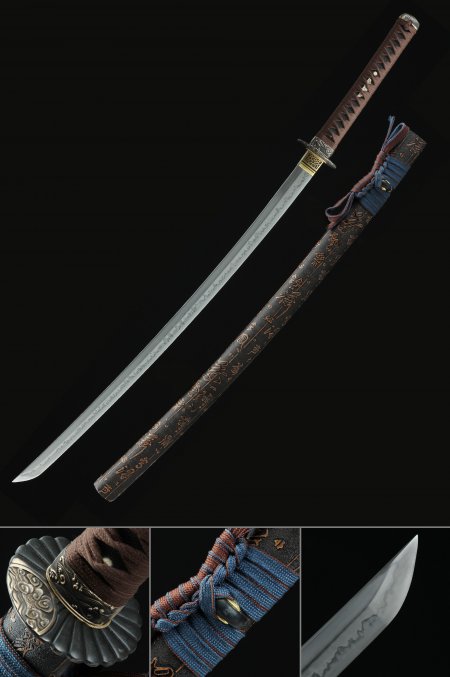
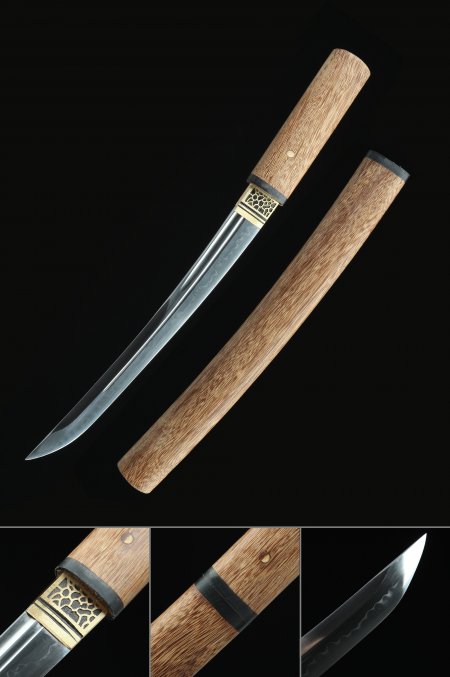
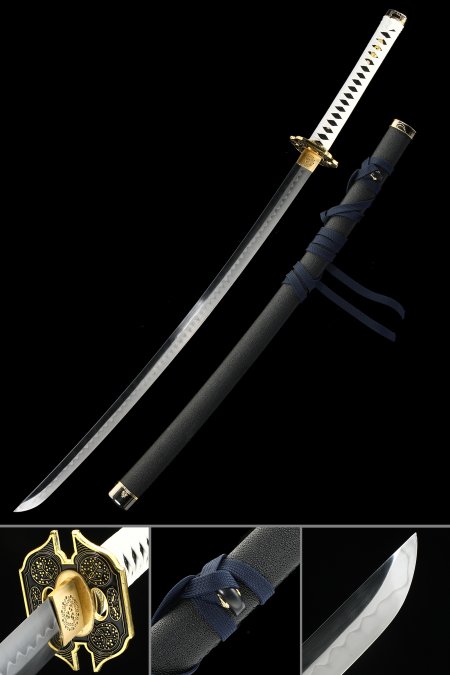
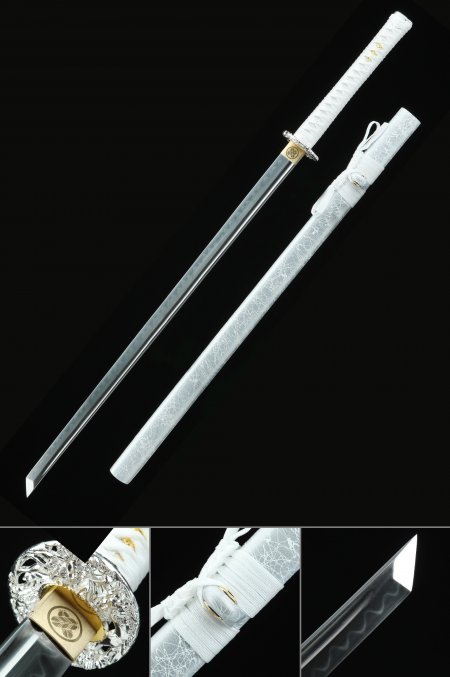
Clay tempering - known as tsuchioki in Japanese practice - involves coating the spine of the blade with a clay mixture before the final quench. Because the clay-covered spine cools more slowly than the exposed edge, the two zones develop different crystalline structures: a harder martensitic edge and a tougher, more flexible pearlitic spine. The most visually significant result is the hamon, the undulating transition line between these two zones. On a T10 steel blade, the hamon is a genuine metallurgical feature rather than an etched or polished simulation, and its exact shape - whether straight, wavy, or irregular - reflects the specific clay application technique used by the smith. Collectors specifically look for this real hamon as evidence of authentic differential heat treatment, and it remains one of the clearest markers separating hand-forged collectible blades from decorative reproductions.