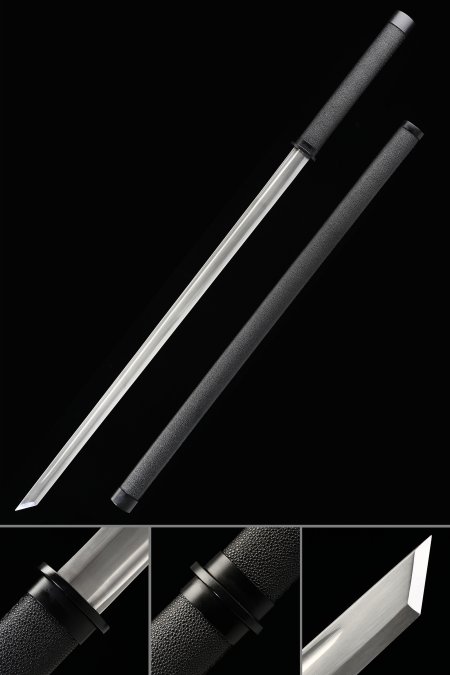
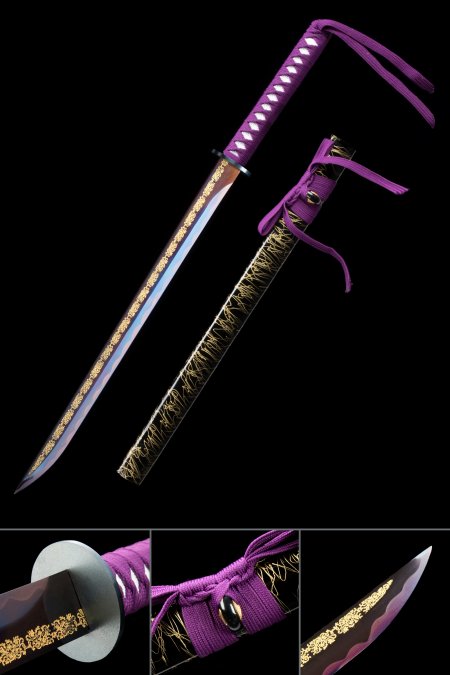
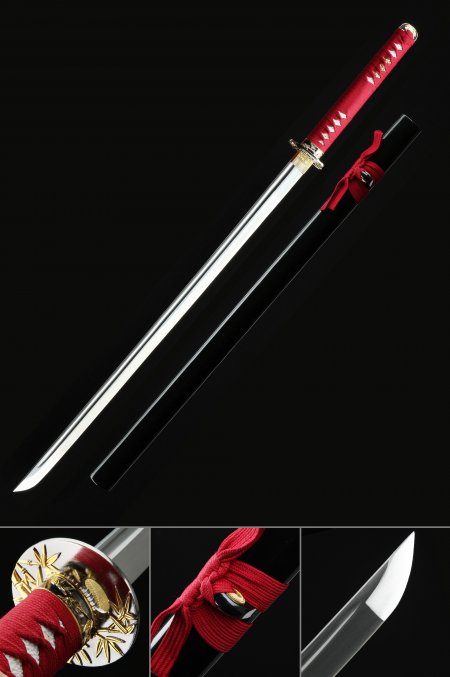
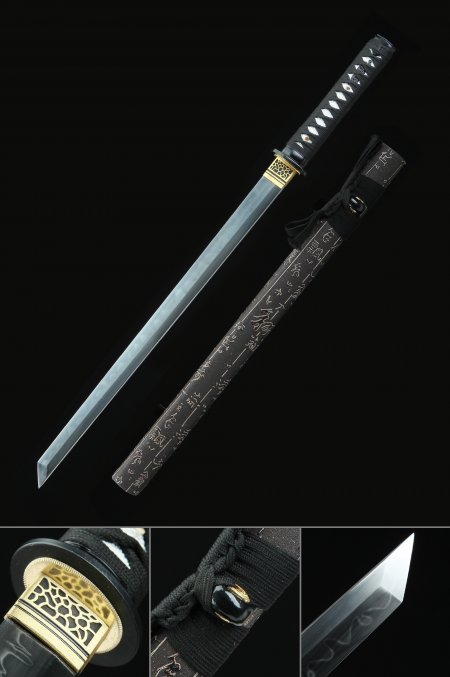
What makes a ninjato different from a katana in terms of design?
Updated Mar 2026
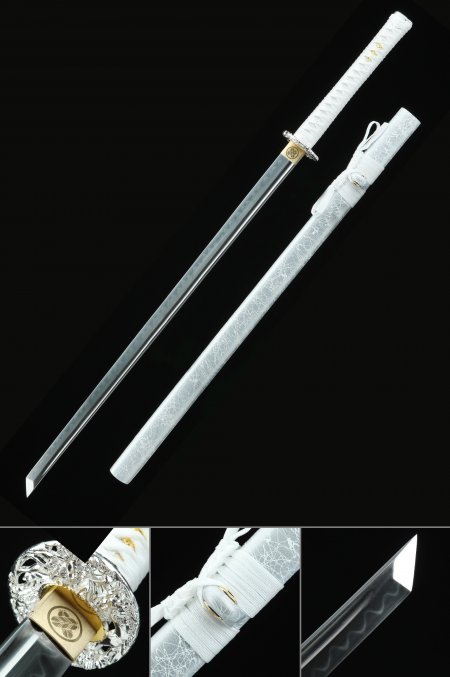
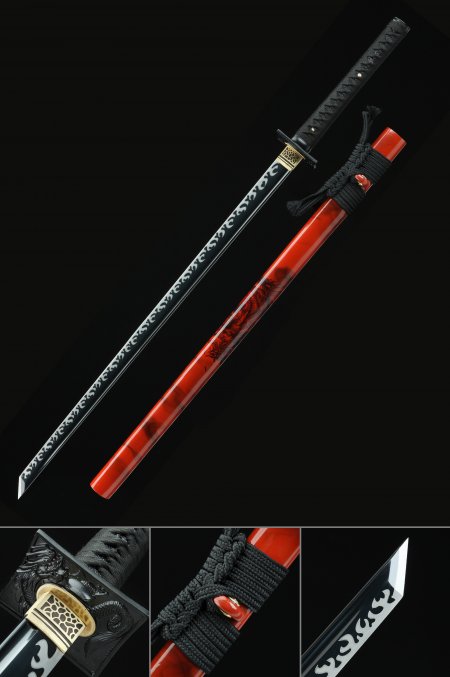
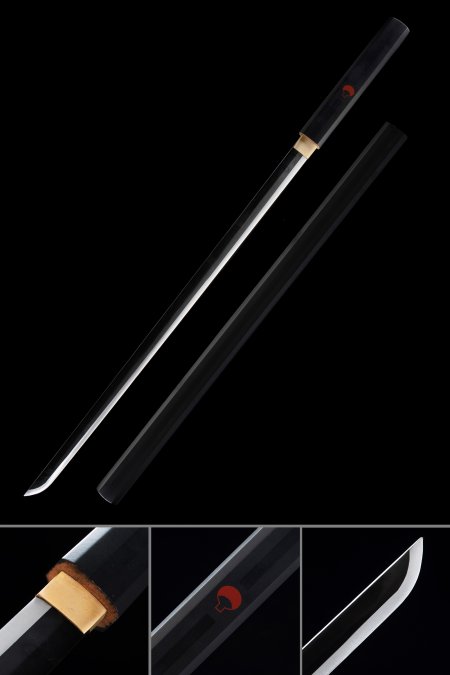
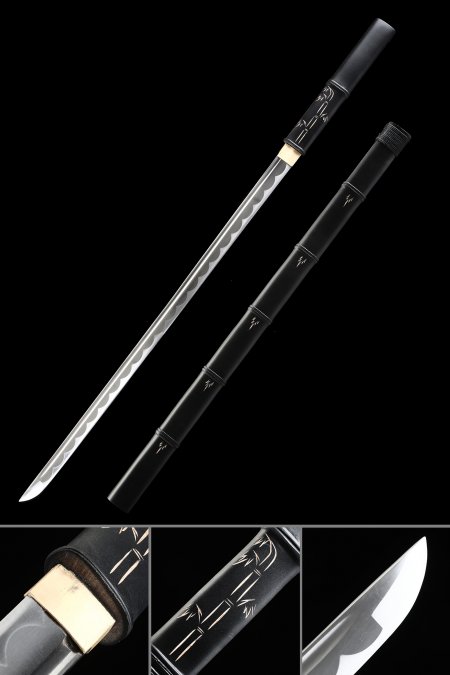
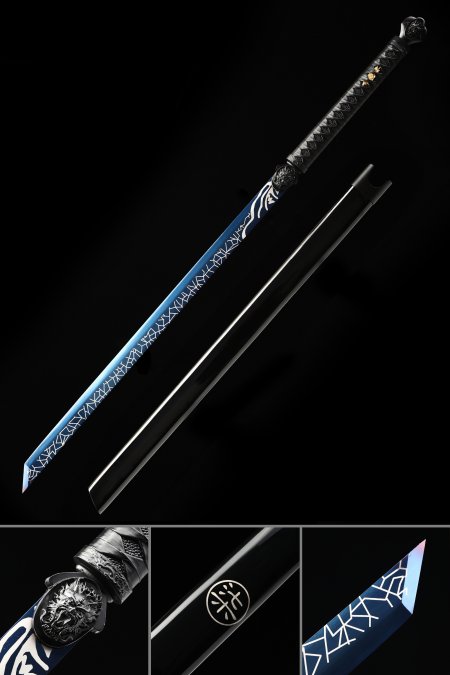
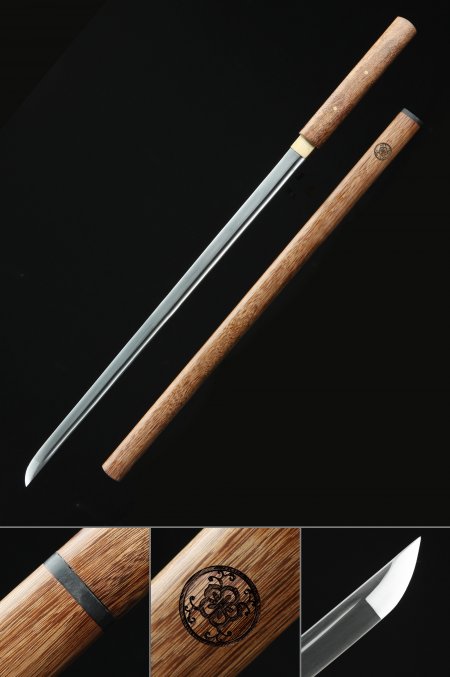
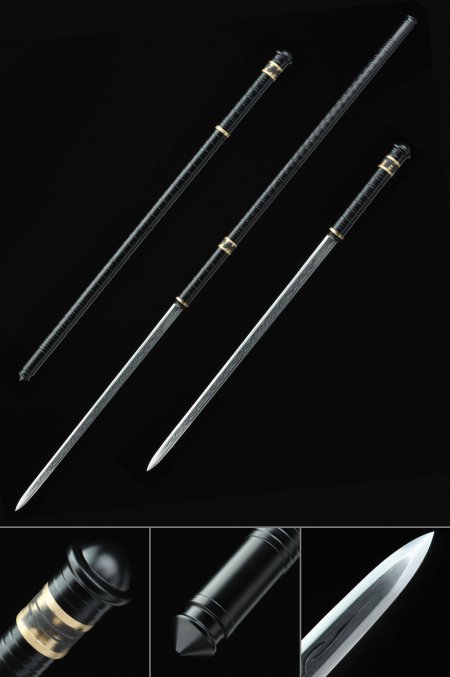
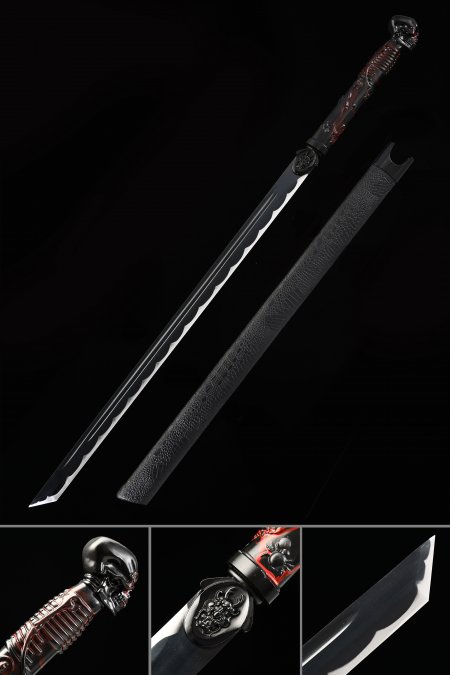
A ninjato is typically characterized by a shorter, straighter blade profile compared to the curved geometry of a traditional katana. While the katana's curvature — known as sori — is a direct result of the differential clay-tempering process that pulls the spine into an arc during quenching, many ninjato designs intentionally maintain a flatter, more linear blade. This affects both the visual presentation and the handling characteristics in display. Mounting styles also differ: ninjato frequently appear in shirasaya or shikomizue configurations with plain hardwood furniture, while katana are more commonly seen with wrapped tsuka, elaborate tsuba, and ornamental menuki. For collectors, the ninjato's minimalist mounting tradition makes it a compelling contrast piece alongside more decorative samurai sword formats.