What does full-tang construction mean for display swords?
Updated Mar 2026
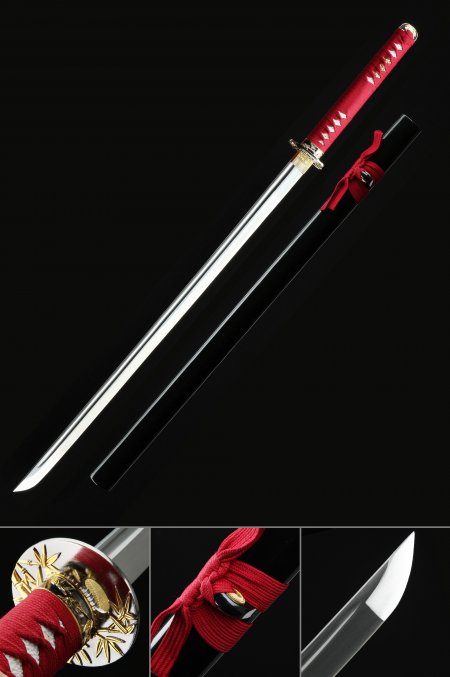
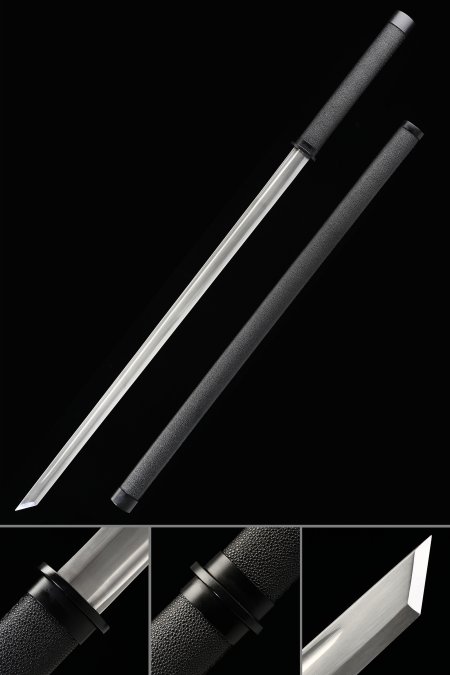
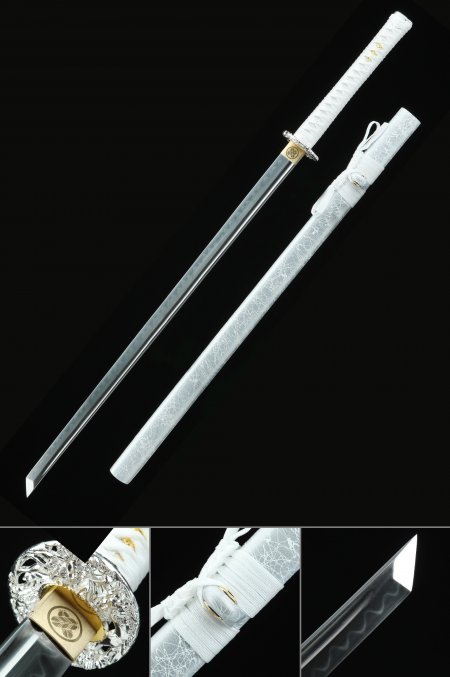
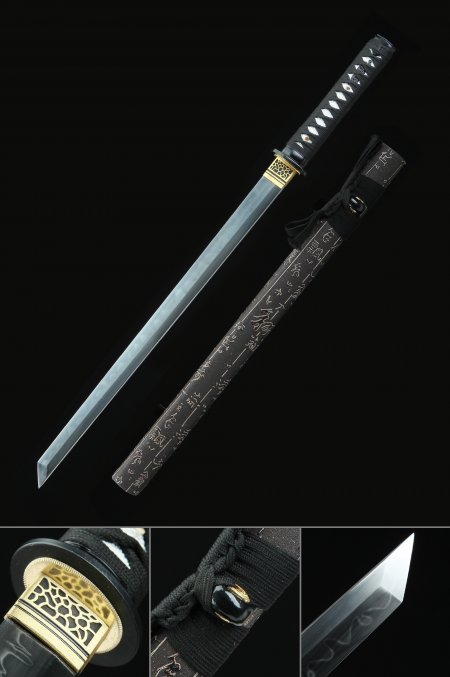
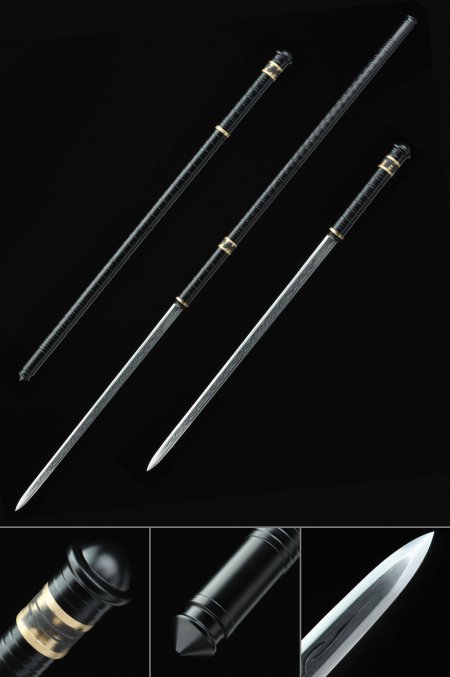
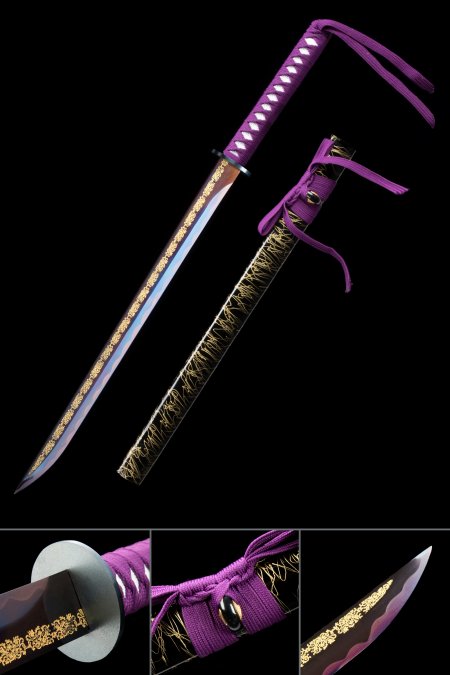
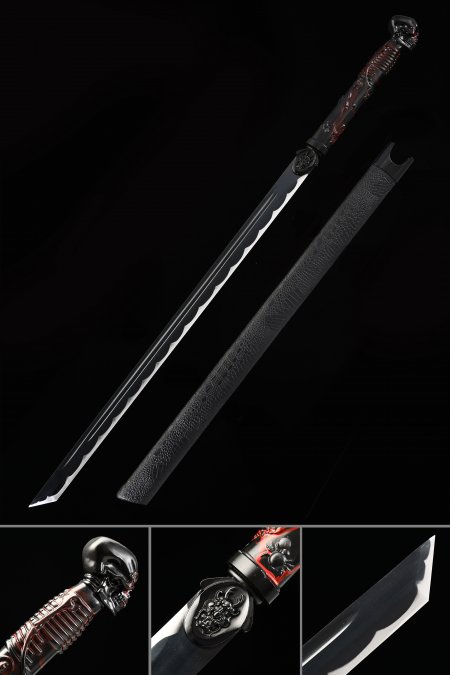
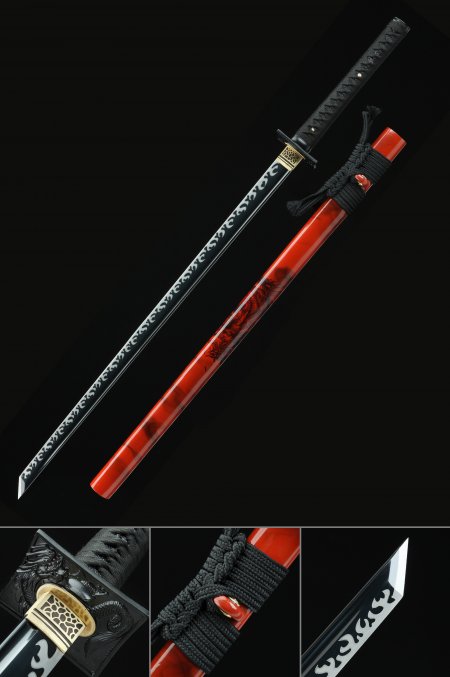
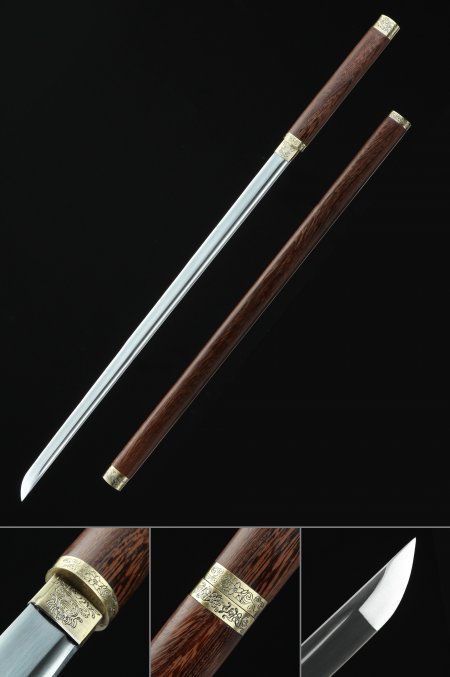
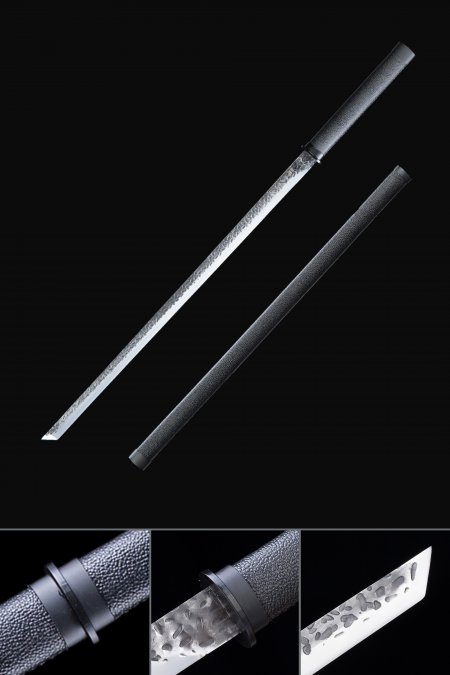
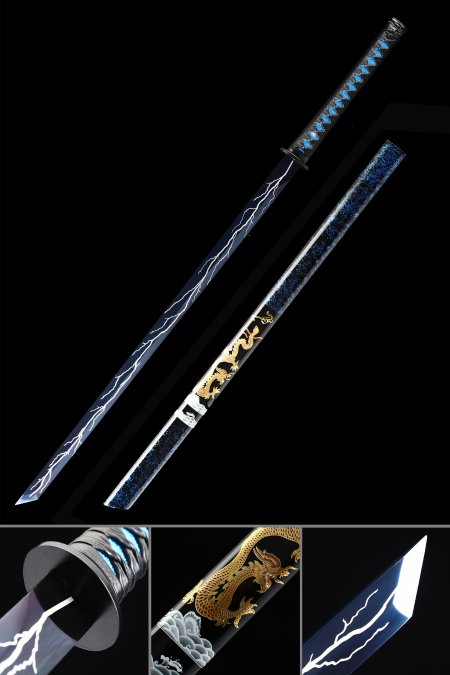
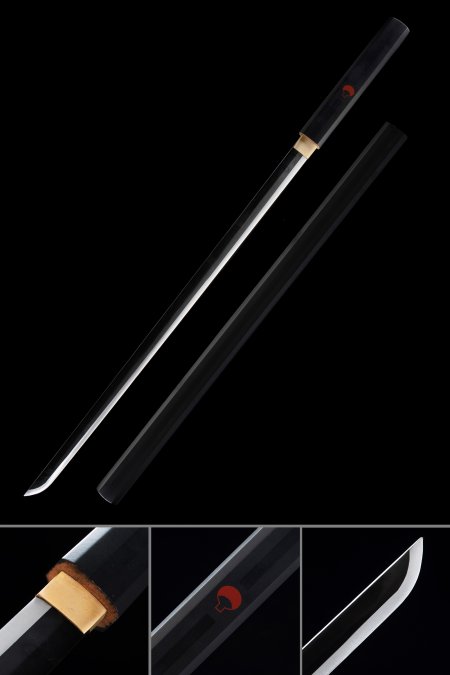
Full-tang means the steel of the blade extends continuously through the entire length of the handle, rather than stopping at the guard and connecting to a separate wooden or resin core. For display collectibles, this matters for two reasons. First, it ensures long-term structural integrity — partial-tang handles can develop looseness over years of handling and repositioning, while a full-tang construction keeps the handle firmly seated. Second, it's a mark of authentic craftsmanship: full-tang assembly requires more steel, more precise fitting of the handle scales, and tighter tolerances at the tsuba. When you pick up a full-tang ninjato, the balance and solidity communicate quality immediately. For collectors who rotate their pieces between display stands and storage, or who handle them regularly for photography or inspection, full-tang construction is a practical feature, not just a specification checkbox.