What does full-tang construction mean for a display piece?
Updated Mar 2026
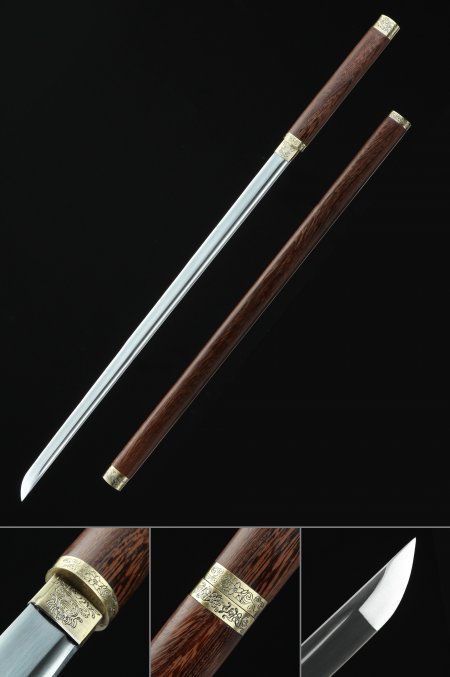
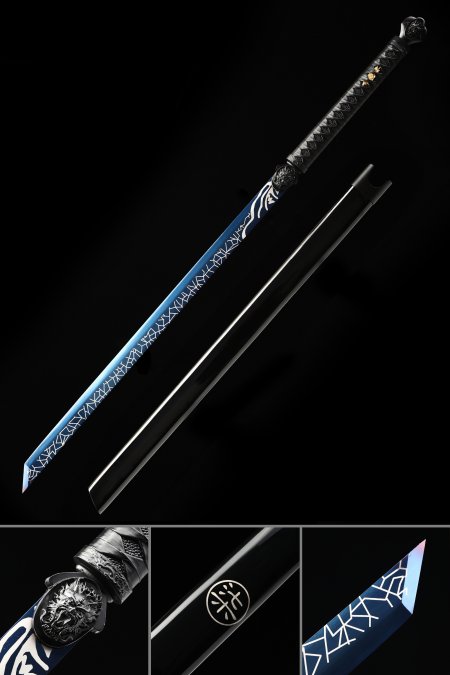
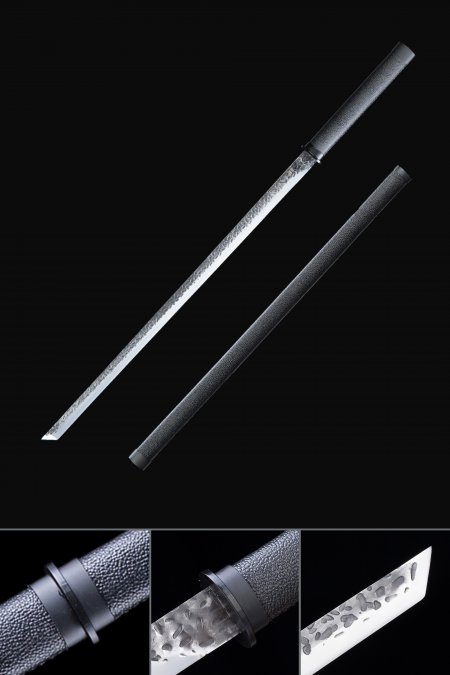
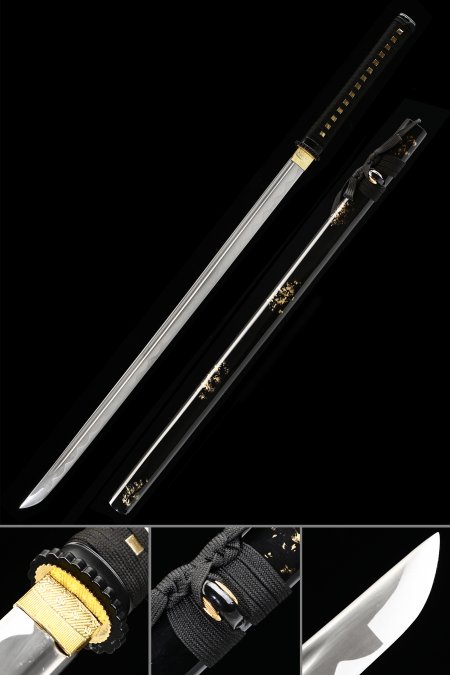
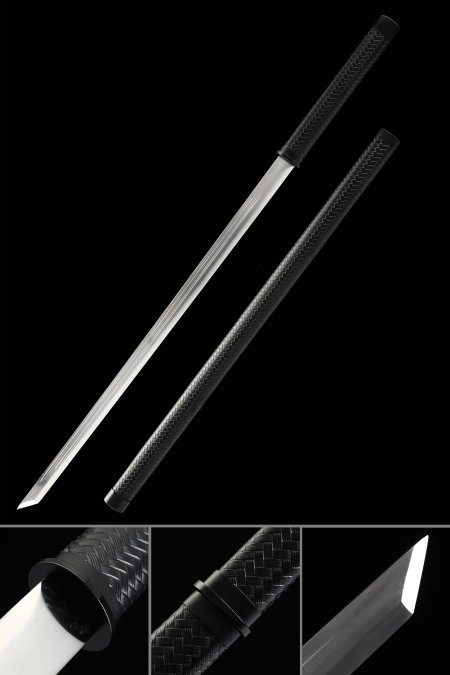
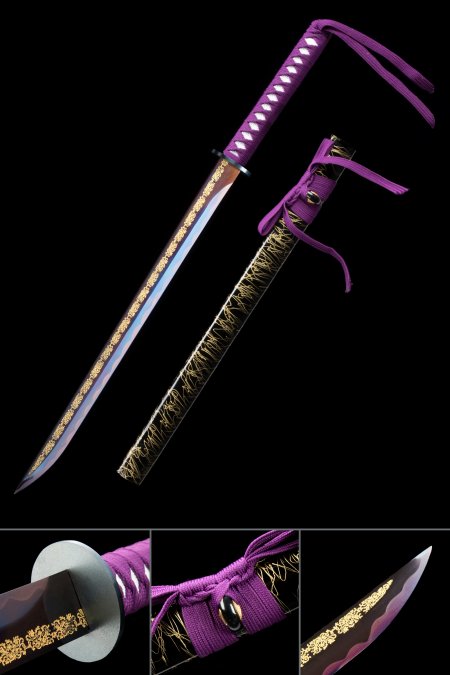
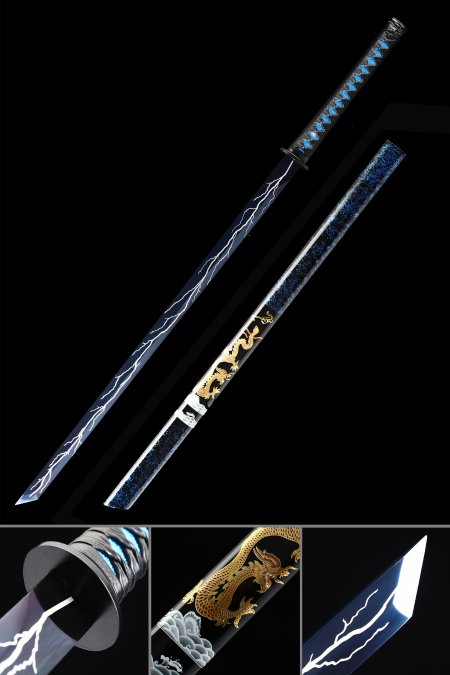
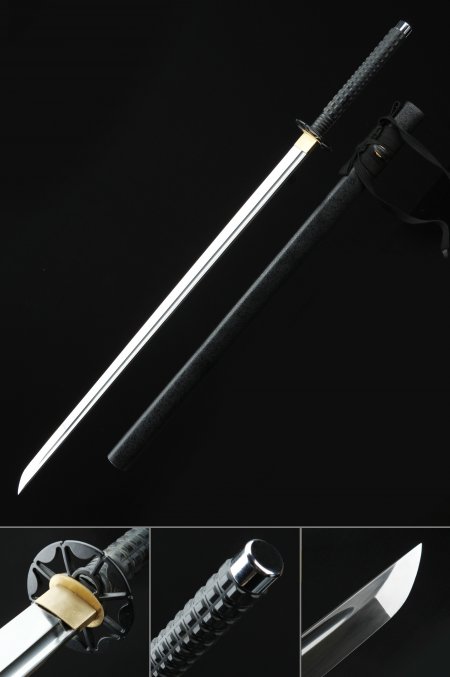
Full-tang means the steel of the blade extends continuously through the entire length of the handle, rather than terminating partway into the grip with a narrow rat-tail extension. In a display-oriented collectible, this matters for two reasons. First, it reflects authentic construction methodology — the same approach used in historically significant Japanese blades — giving the piece genuine structural credibility rather than decorative approximation. Second, it ensures the handle assembly remains stable over years of display without the loosening or wobbling that can develop in partial-tang constructions as handle materials expand and contract with humidity and temperature changes. For collectors who handle their pieces regularly during cleaning, repositioning, or showing to guests, a full-tang ninjato simply feels substantively different in hand — the balance and solidity are immediately apparent compared to a display-only reproduction.