What does koshirae mean, and why does it matter for collectors?
Updated Mar 2026
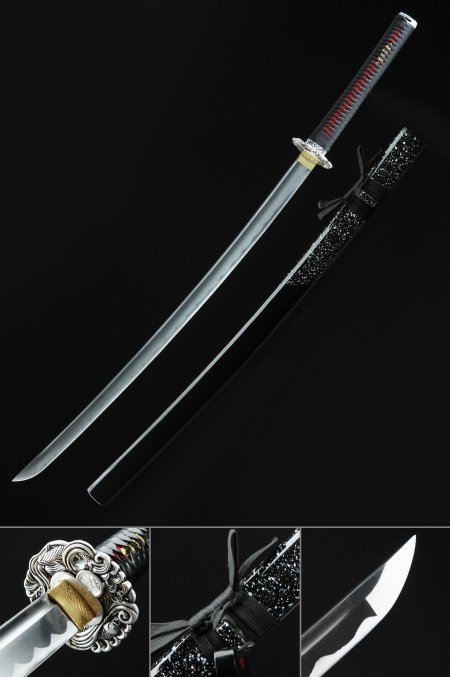
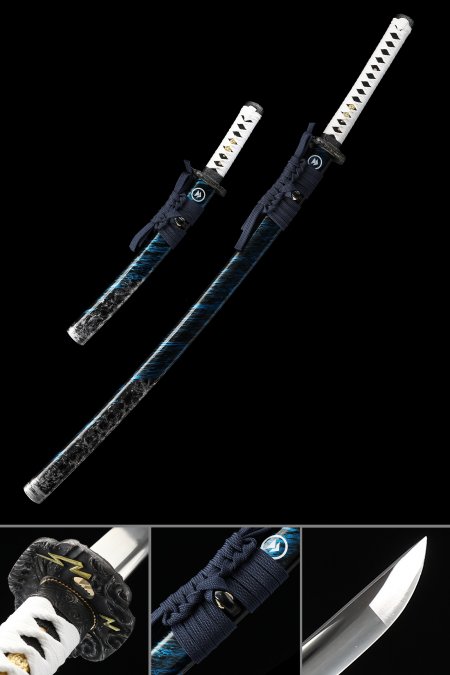
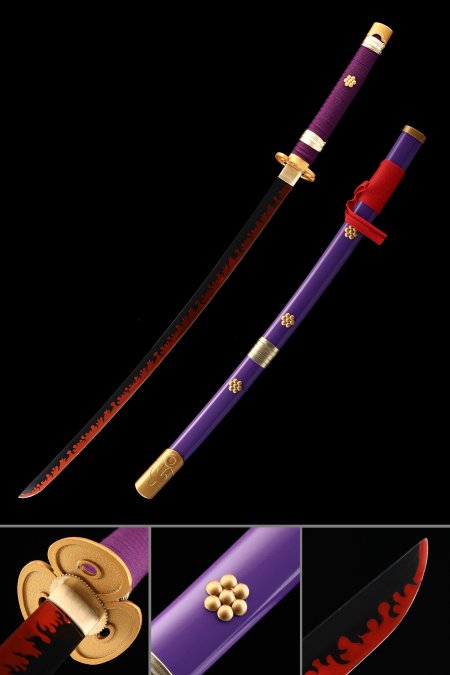
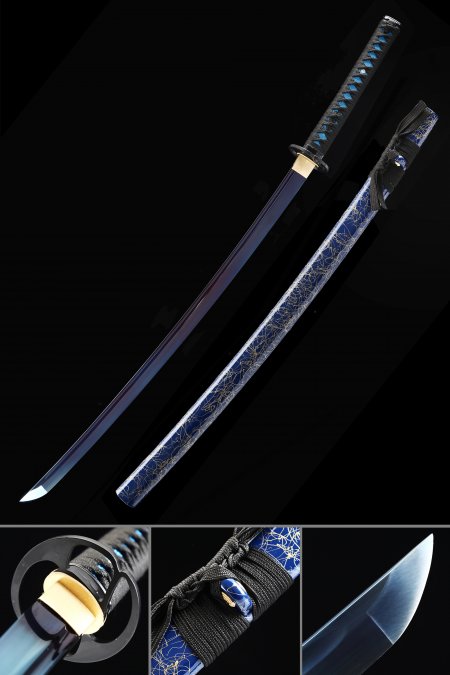
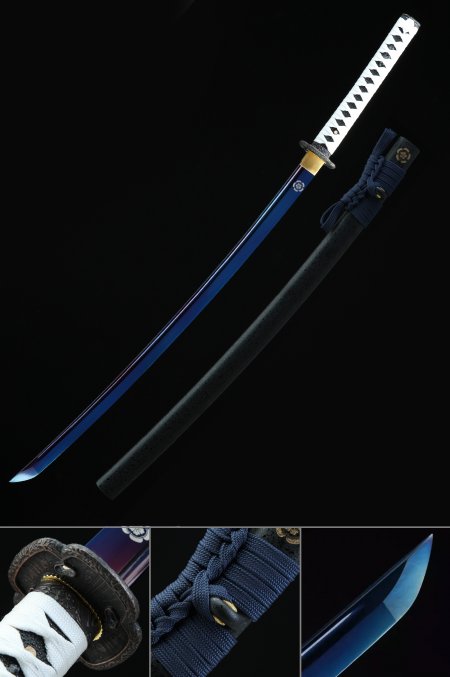
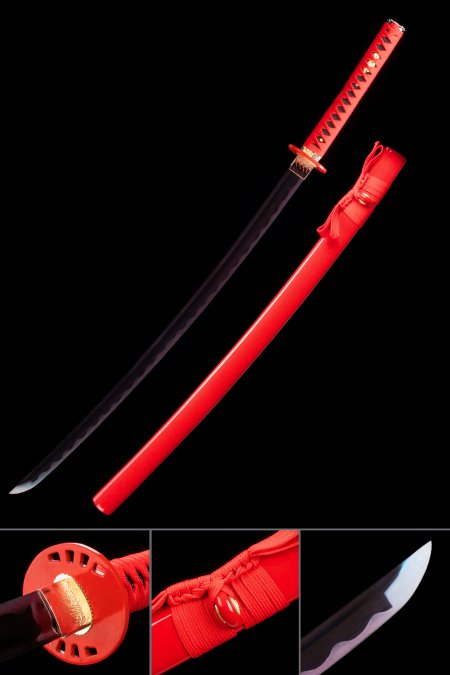
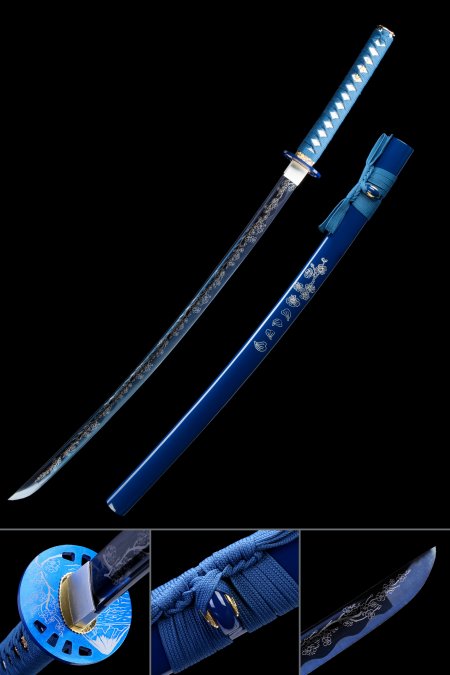
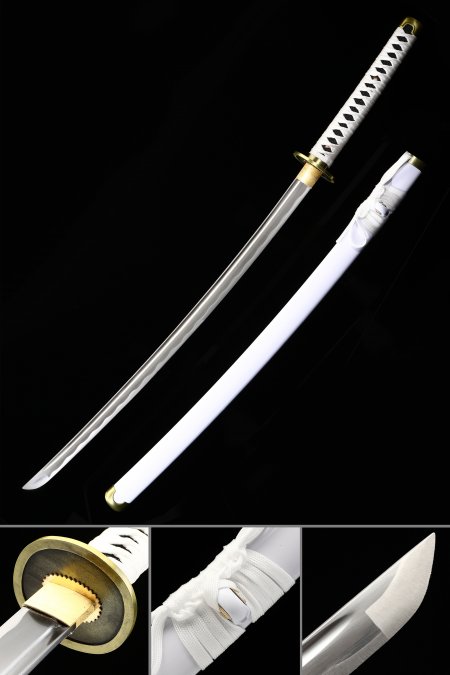
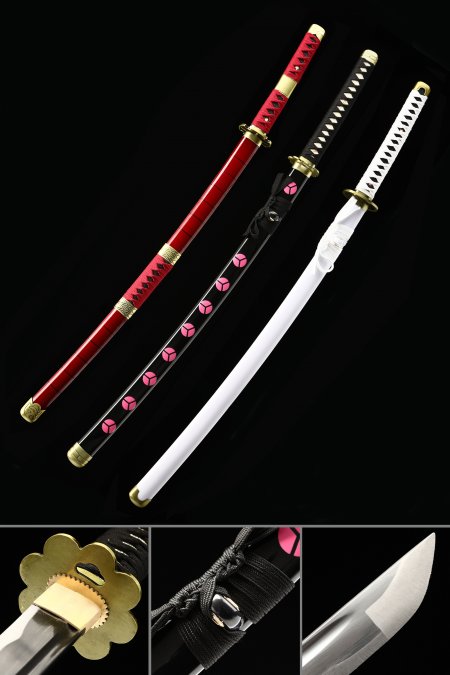
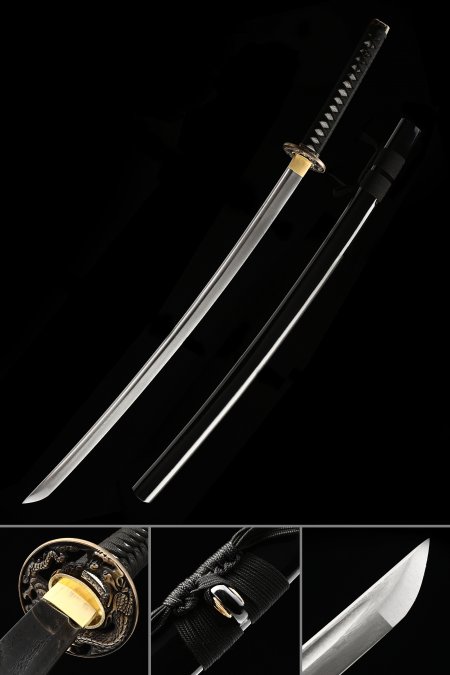
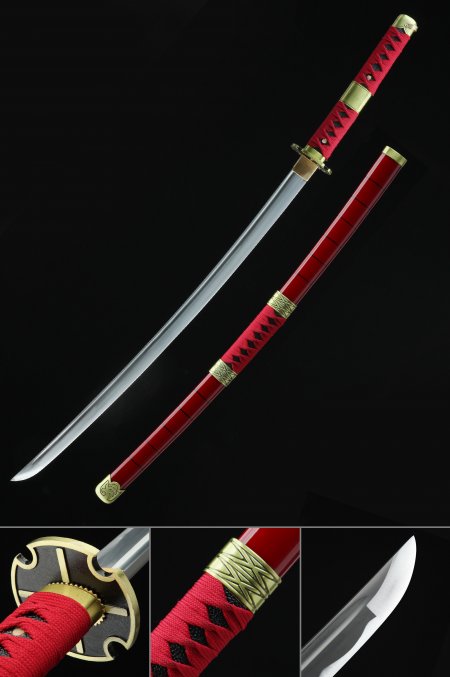
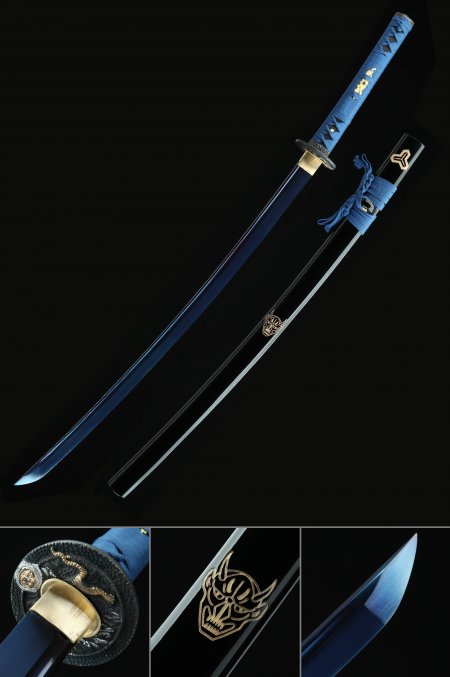
Koshirae refers to the full mounting of a Japanese sword — the complete set of fittings that dress the blade, including the tsuka (handle), tsuba (guard), fuchi and kashira (collar and pommel), menuki (ornamental grip accents), saya (scabbard), and sageo (suspension cord). A well-matched koshirae is considered an art form in its own right, separate from the blade itself. Historically, a samurai might commission multiple koshirae for the same blade to suit different occasions. For modern collectors, the koshirae style determines both the aesthetic character and the cultural narrative of the piece. A dragon tsuba with green ito evokes a very different sensibility than a flower tsuba with blue-white cord — and matching these elements coherently is a mark of quality assembly. When evaluating a display katana, examining the koshirae craftsmanship is just as important as assessing the blade.