How does Damascus steel differ from 1095 carbon steel in these katana?
Updated Mar 2026
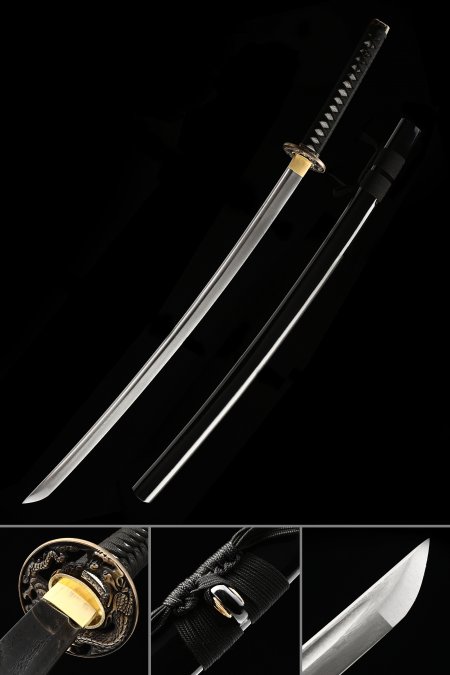
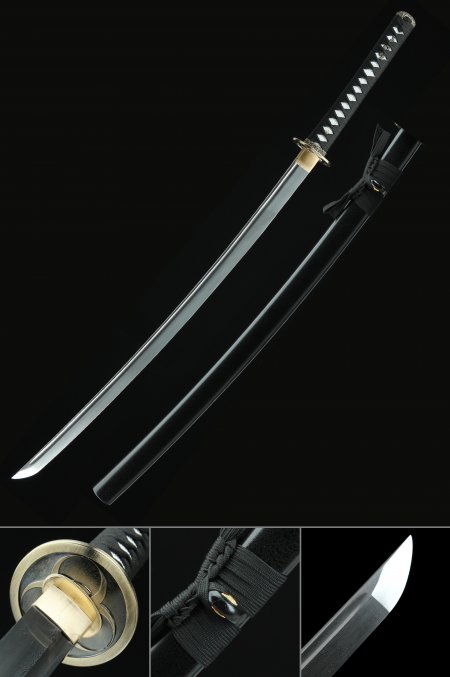
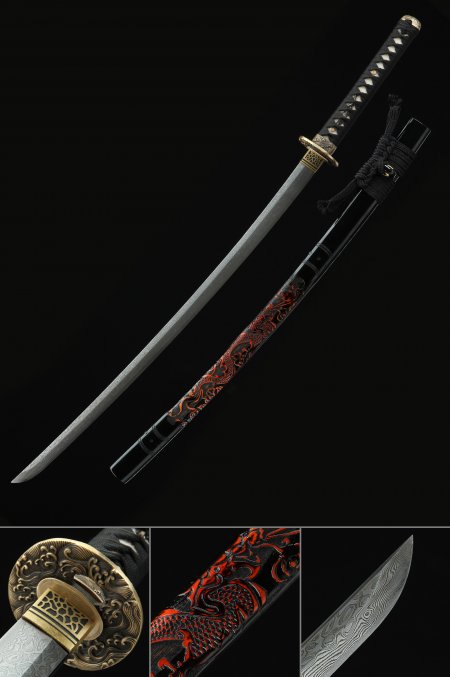
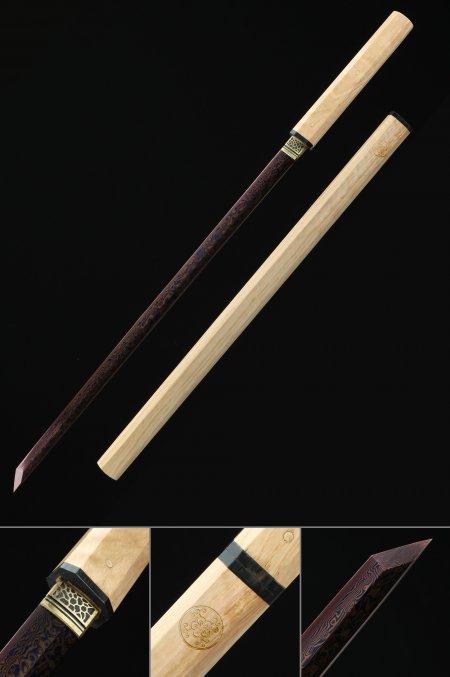
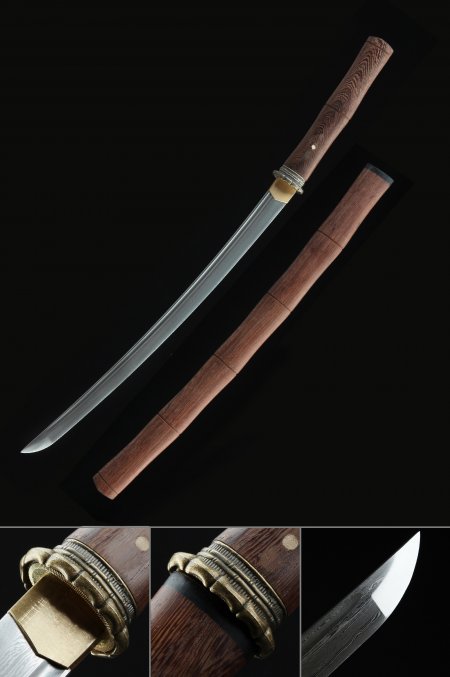
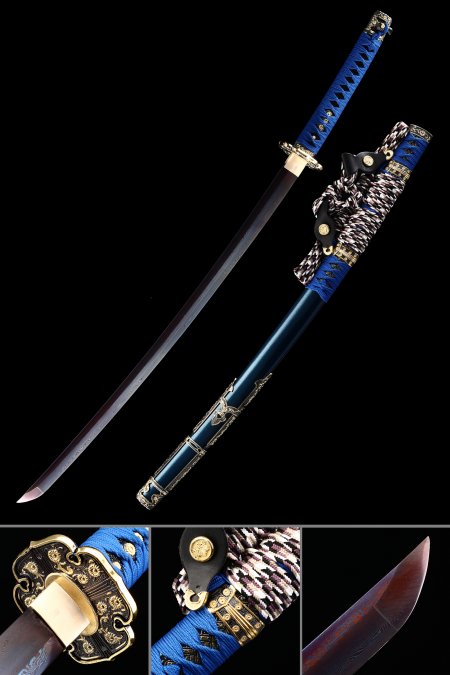
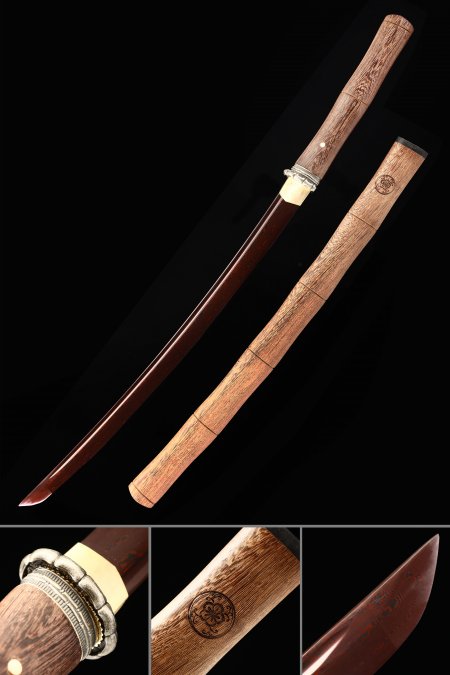
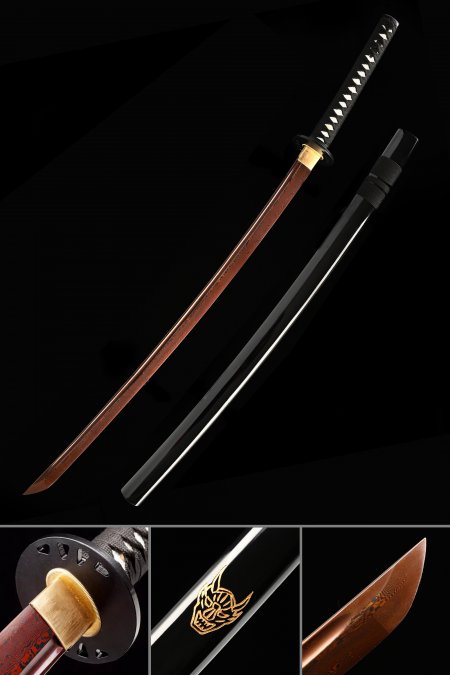
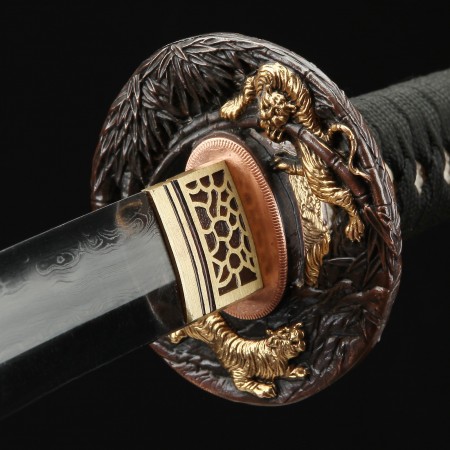
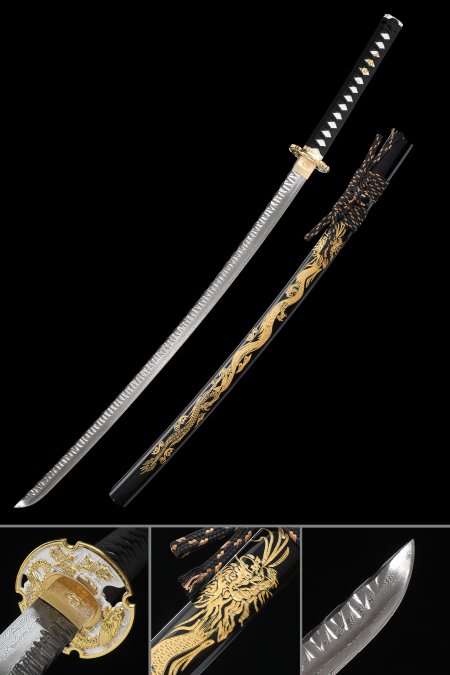
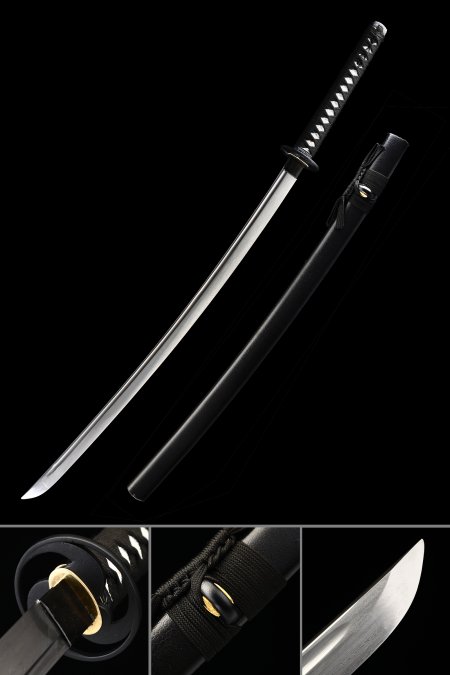
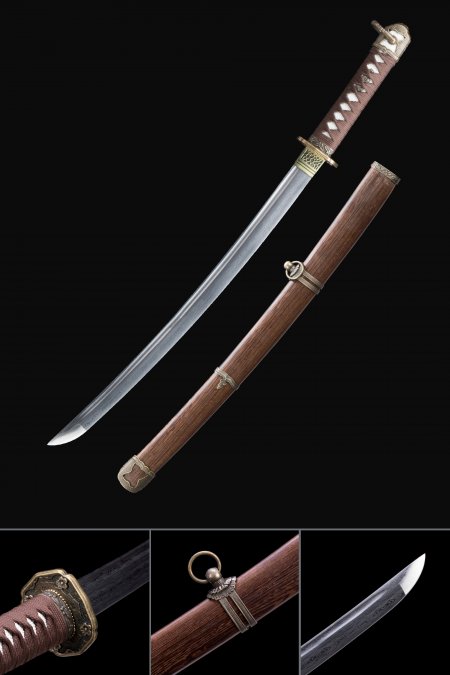
Damascus steel and 1095 high-carbon steel are two distinct blade construction approaches, each with a different visual and structural character. Damascus is created by layering and folding multiple steel types together, then etching the finished blade to reveal a flowing grain pattern - no two Damascus blades display the same pattern, which makes each piece individually unique. This layered construction is prized among collectors for its visual complexity. 1095 high-carbon steel, by contrast, is a single-alloy steel known for its hardness, fine edge retention, and consistent behavior through the heat-treatment process. A 1095 blade is often the preferred choice when a visible hamon - the differential hardening line - is the priority, since the contrast between hardened edge and softer spine shows most distinctly on mono-steel blades. Both are legitimate collector-grade choices; the decision usually comes down to whether you value the visual drama of layered grain or the classical authenticity of a clean hamon line.