Are Damascus steel tantos folded by hand, and does it affect the blade?
Updated Mar 2026
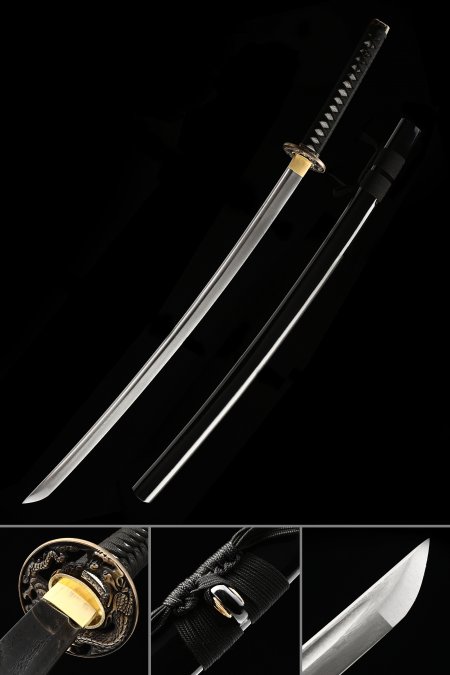
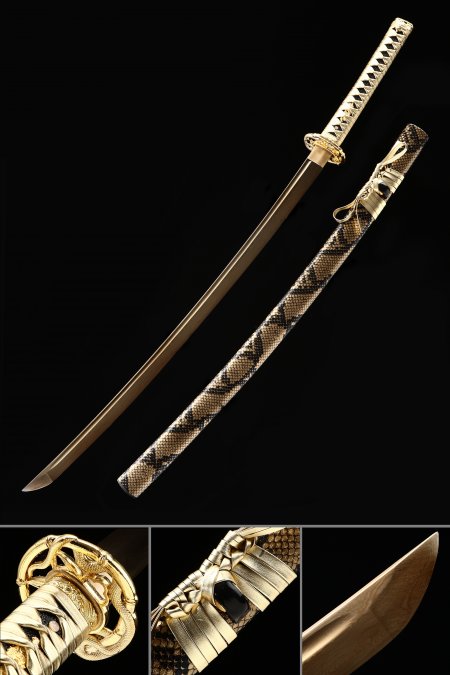
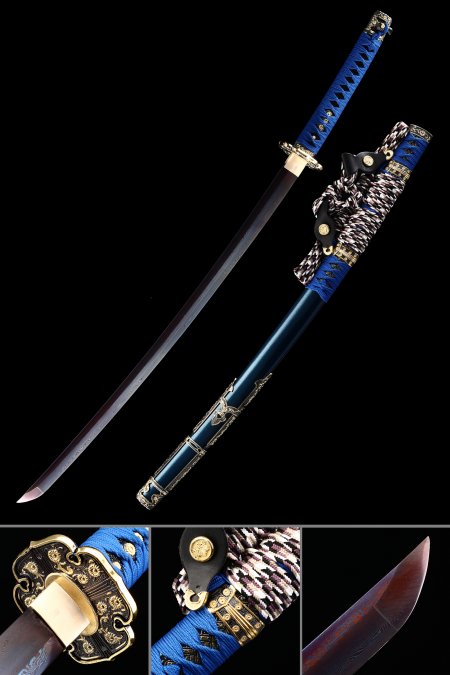
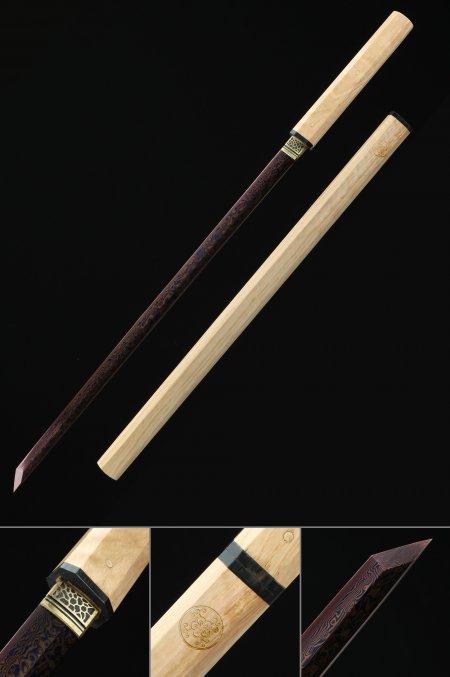
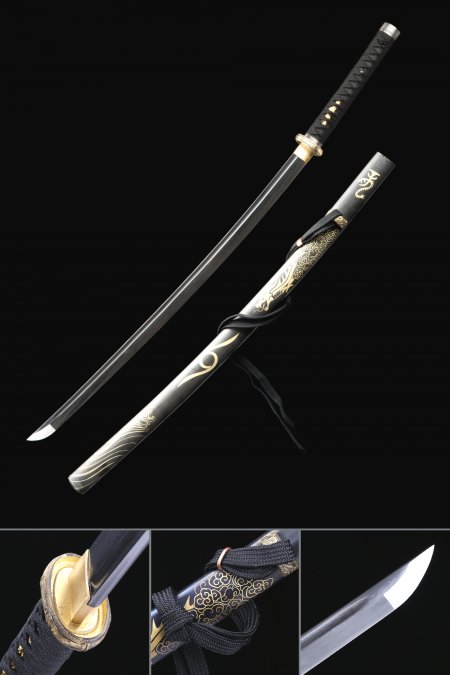
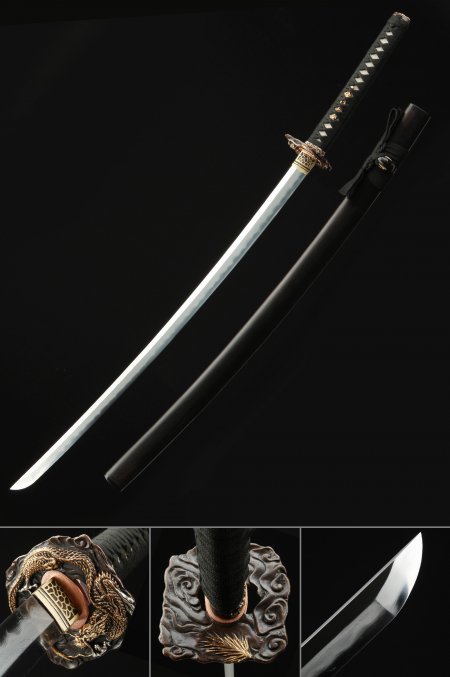
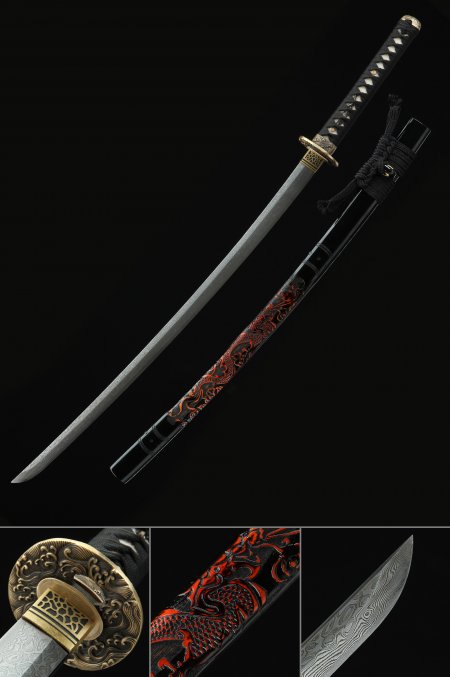
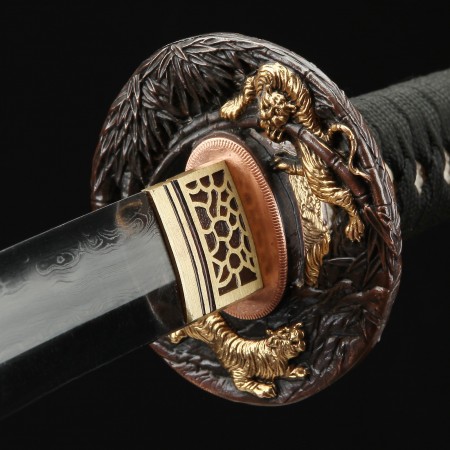
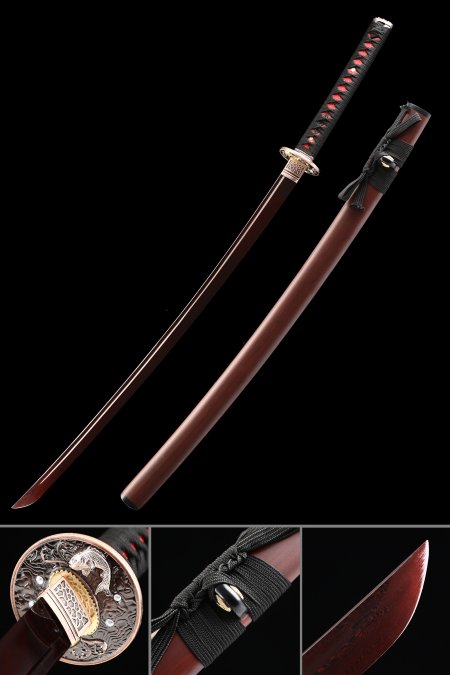
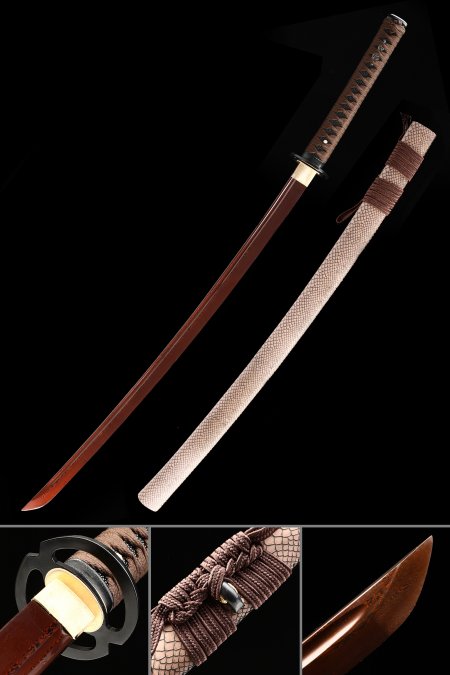
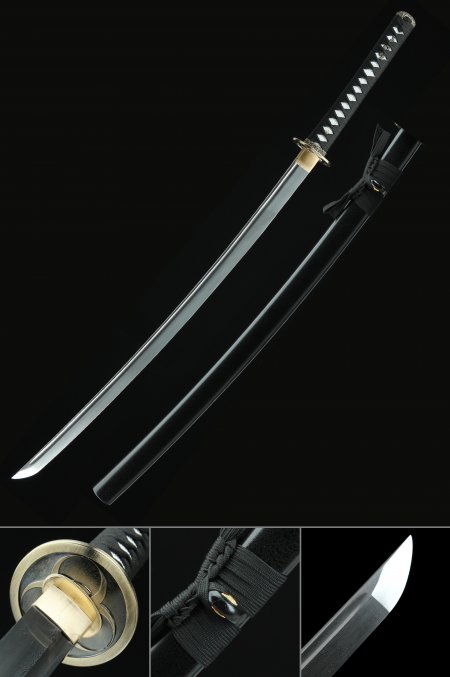
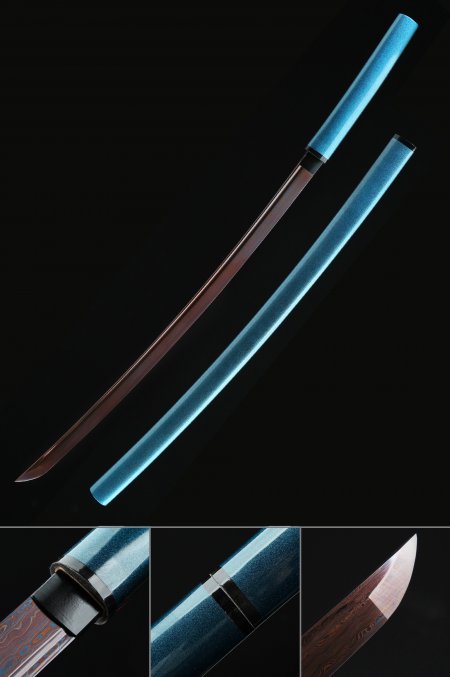
Damascus steel tantos are produced by layering and forge-welding multiple steel billets together, then repeatedly folding and drawing out the material. This process creates the flowing, wave-like grain patterns visible across the blade's flat — a surface quality that is entirely unique to each piece and impossible to replicate exactly. The folding does refine the steel's grain structure, but for display-focused collectors, the primary value is aesthetic: a Damascus tanto is a visually dramatic object. When paired with a black sageo, dark koshirae, and a fitted lacquer saya, the patterned blade surface provides striking contrast. These tantos are collectibles first, and the handcraft involved in their production is part of what makes them worth displaying.