How does T10 clay tempered steel differ from Damascus on a wakizashi blade?
Updated Mar 2026
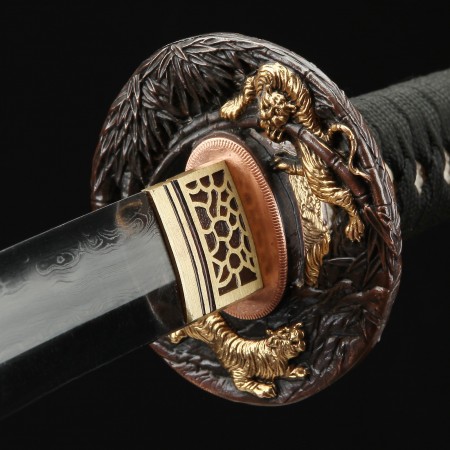
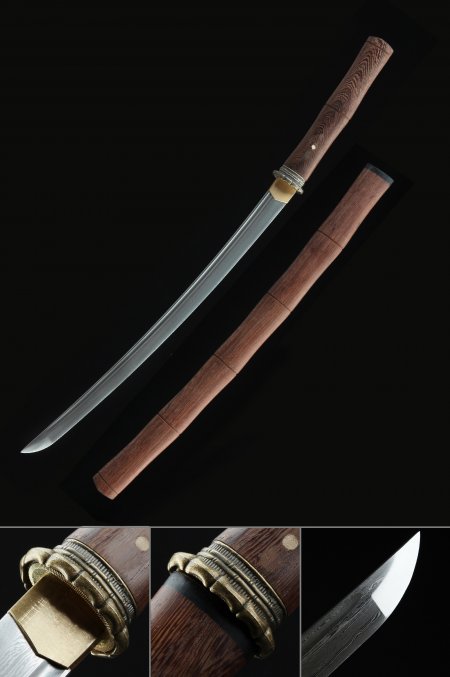
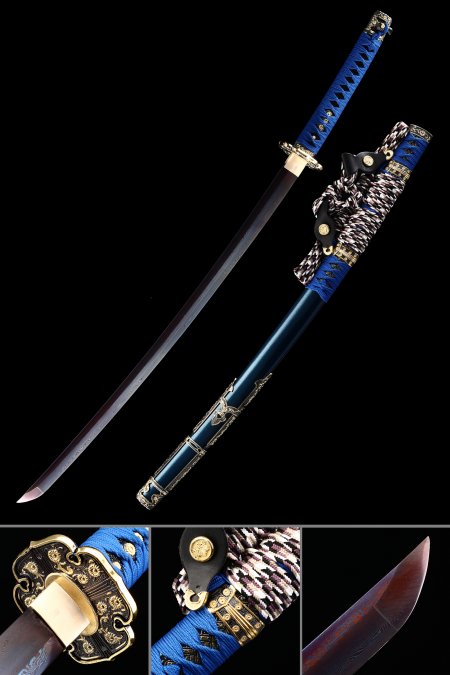
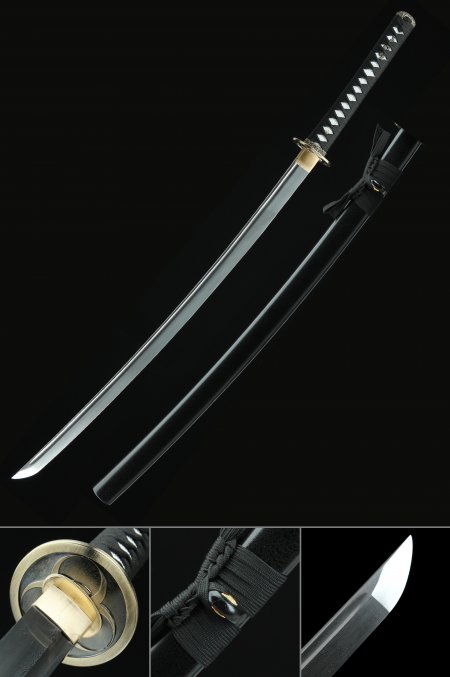
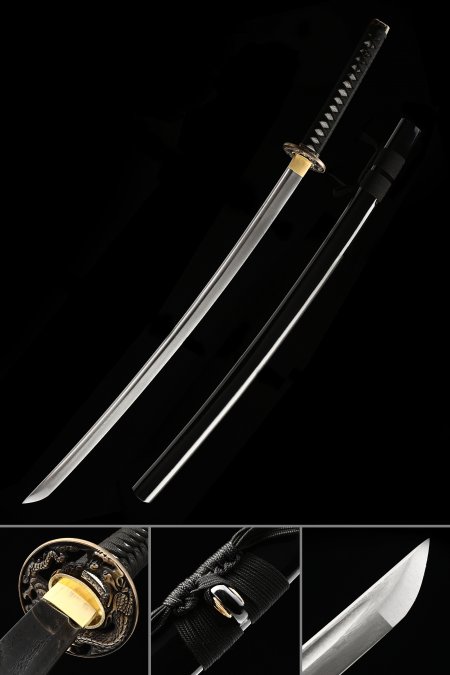
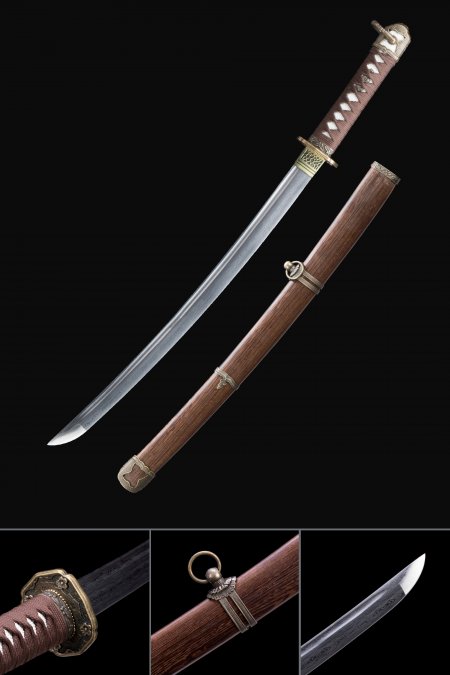
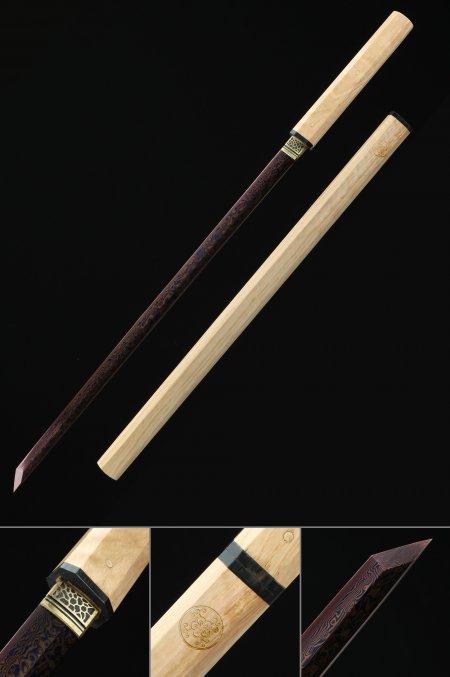
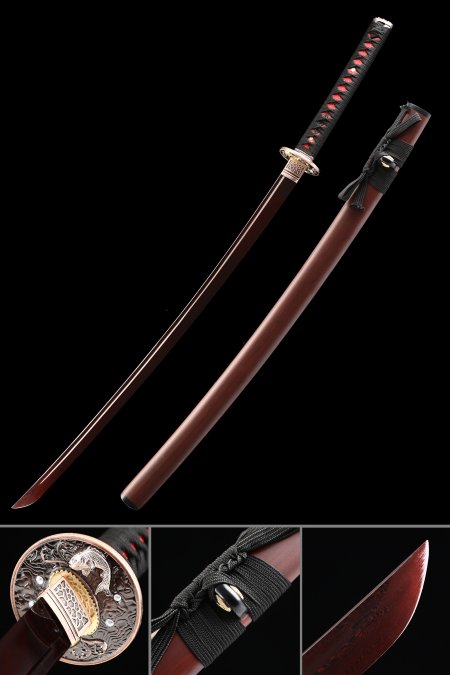
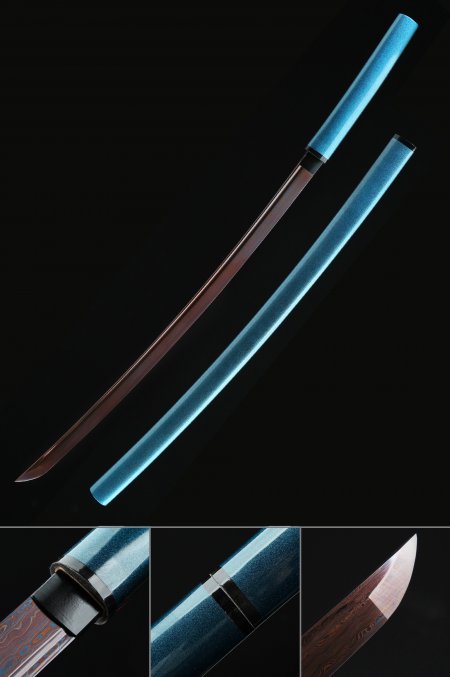
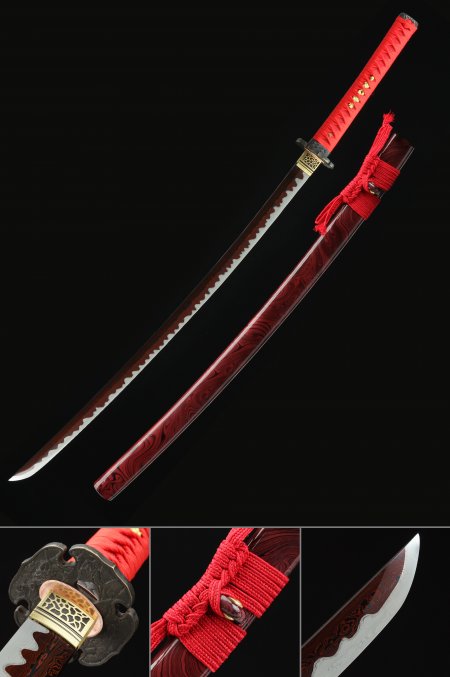
These are two distinct approaches to blade construction, each with its own visual signature and manufacturing philosophy. T10 high-carbon steel, when clay tempered, undergoes differential hardening: a clay mixture is applied along the spine before quenching, causing the edge to cool faster and reach a higher hardness while the spine remains comparatively flexible. This process produces a hamon — a visible temper line along the blade — that is considered a hallmark of authentic Japanese swordsmithing. The hamon on a T10 clay tempered wakizashi is unique to each blade and cannot be replicated artificially. Damascus steel, by contrast, is created by layering and folding two or more types of steel together repeatedly, then etching the finished blade to reveal the contrasting grain pattern. The result is a surface that shows the history of its own construction. Damascus does not typically produce a hamon in the traditional sense, but offers a dramatic aesthetic that many collectors find equally compelling. The choice between them often comes down to whether the collector prioritizes metallurgical tradition or distinctive surface artistry.