What do the different tsuba motifs on these katana symbolize?
Updated Mar 2026
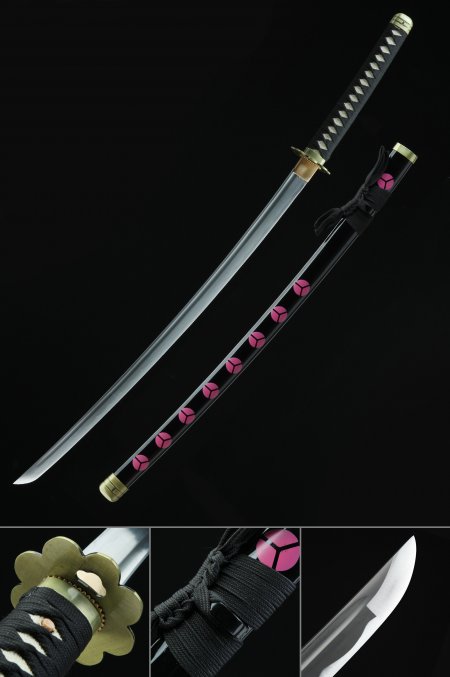
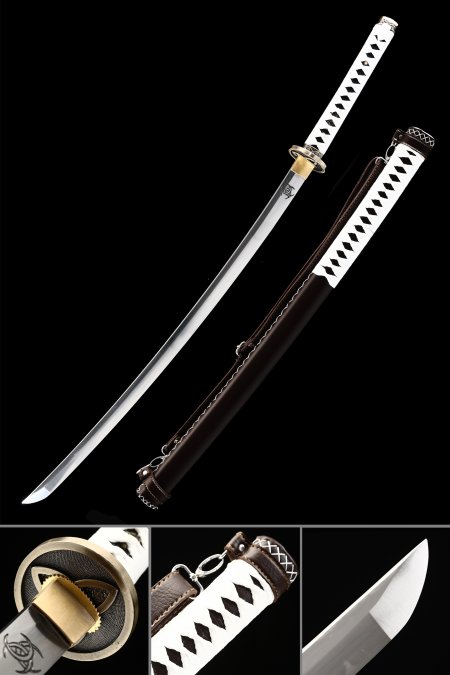
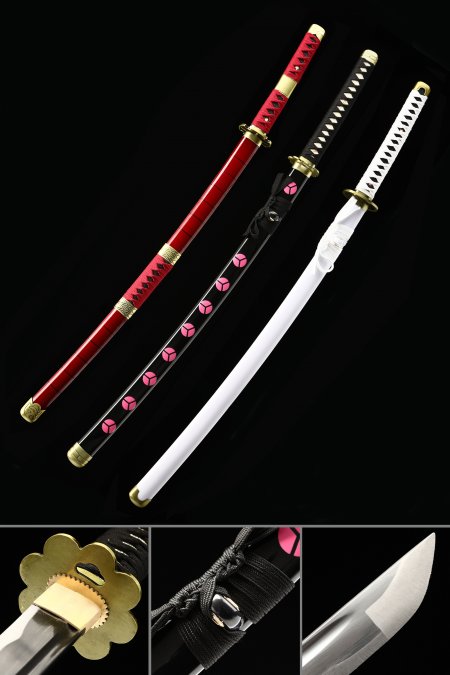
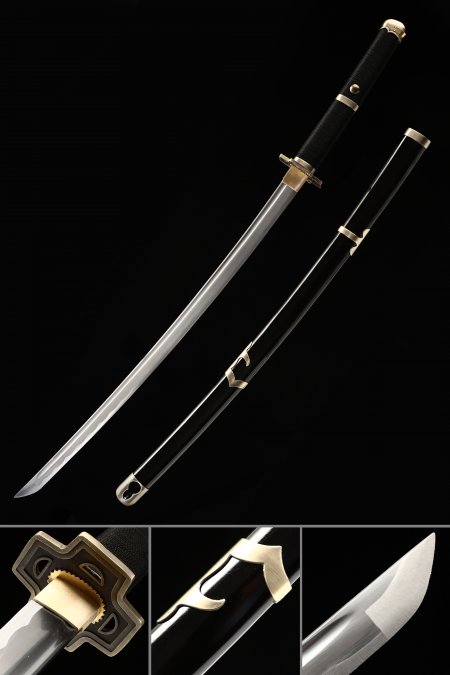
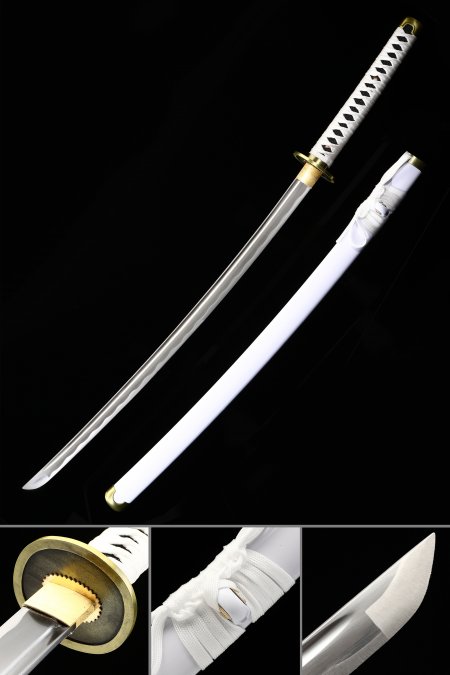
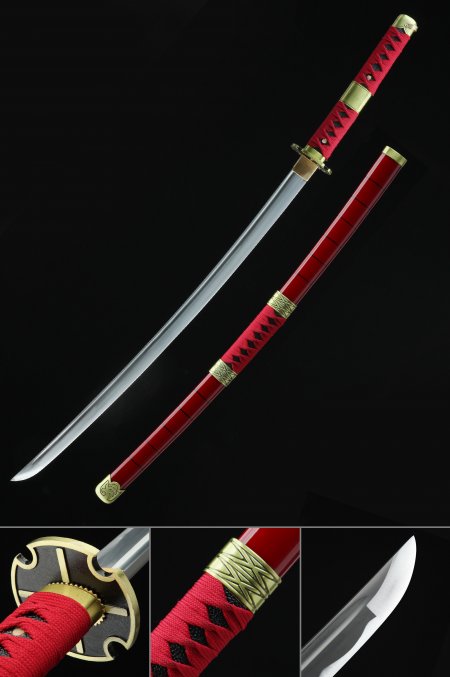
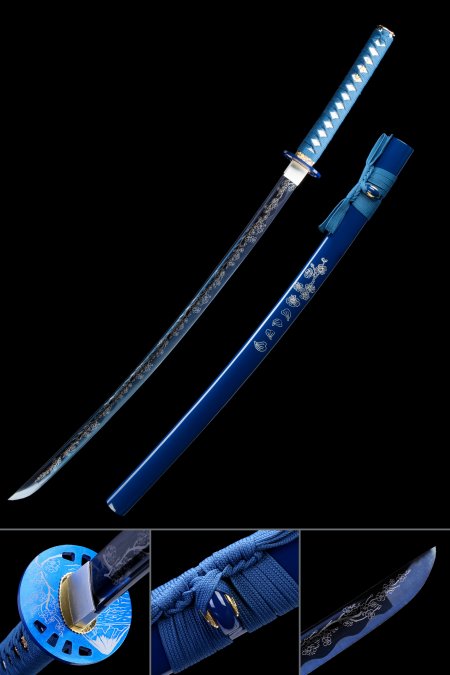
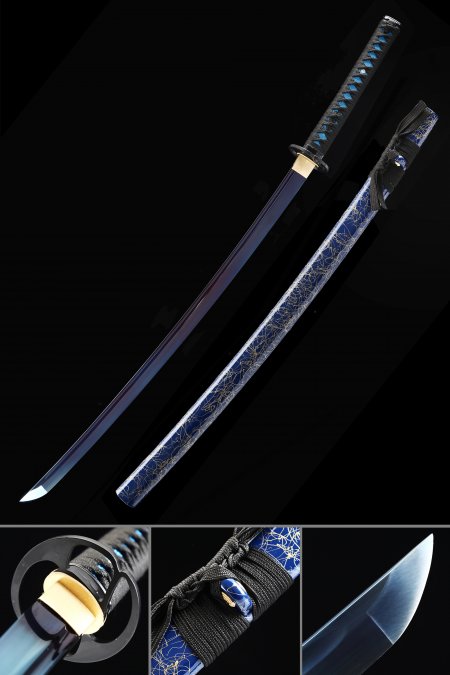
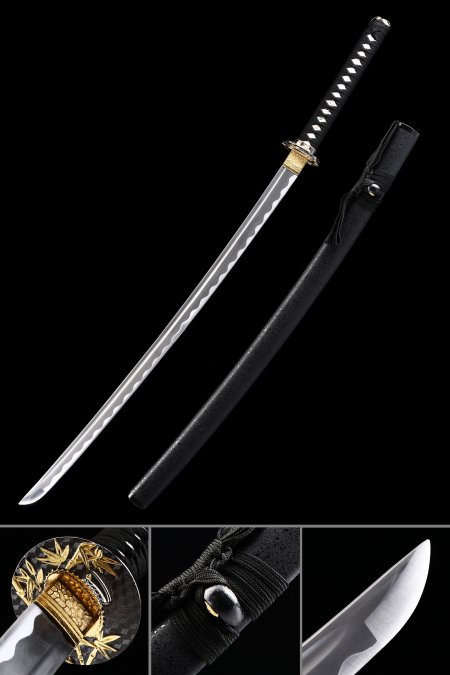
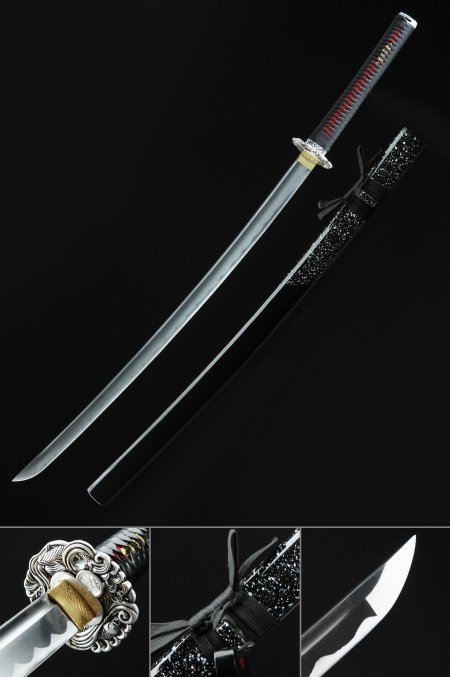
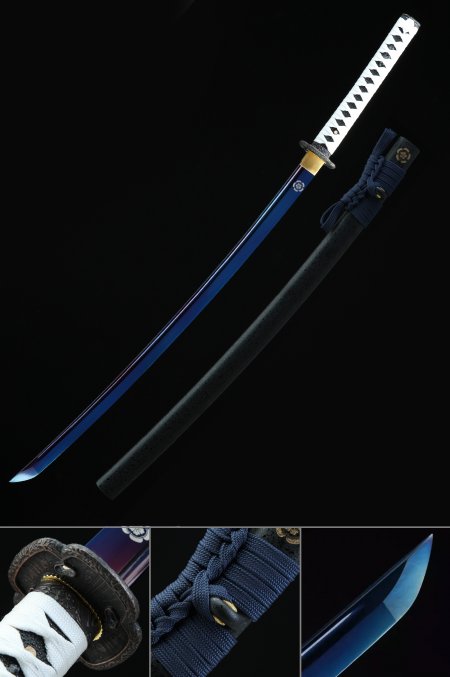
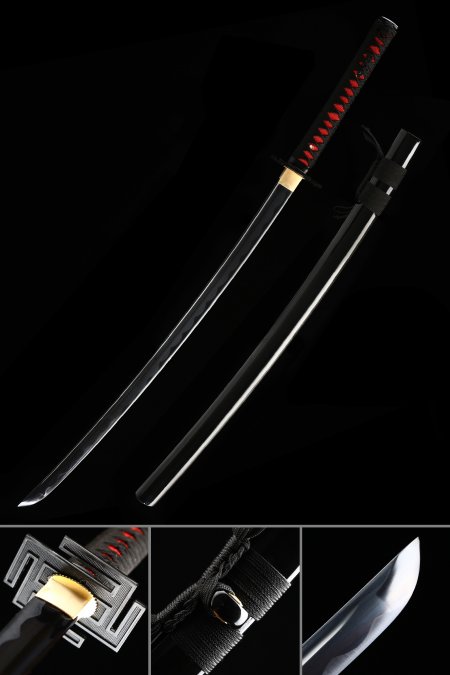
Tsuba iconography draws heavily from classical Japanese visual culture, and the motifs found across this collection each carry specific meaning. Bamboo represents flexibility and resilience — it bends but does not break — making it a recurring theme in samurai aesthetics. The chrysanthemum is Japan's imperial flower, historically associated with the Emperor and with ideals of longevity and noble refinement. Wave and fish patterns reference the natural world celebrated throughout Edo-period decorative arts, evoking movement, persistence, and the relationship between form and force. Gold floral designs often draw from family mon (crest) traditions. For the collector, understanding this symbolism adds interpretive depth to a display piece beyond its physical construction.