What makes a wave tsuba different from other tsuba designs?
Updated Mar 2026
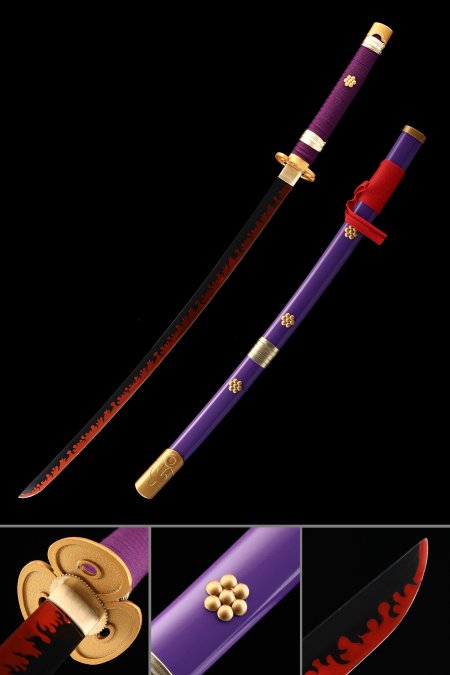
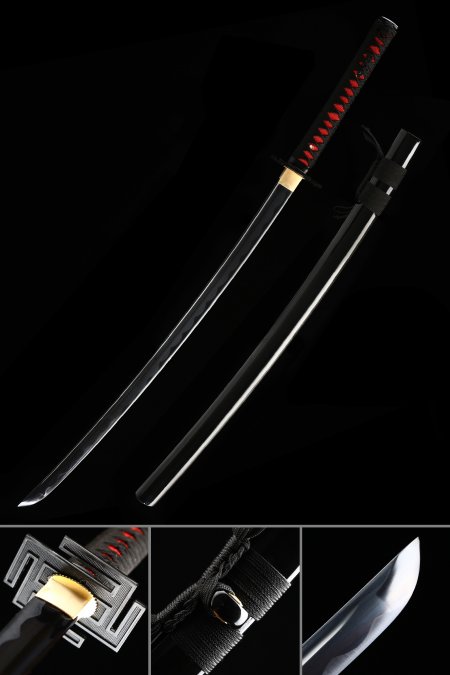
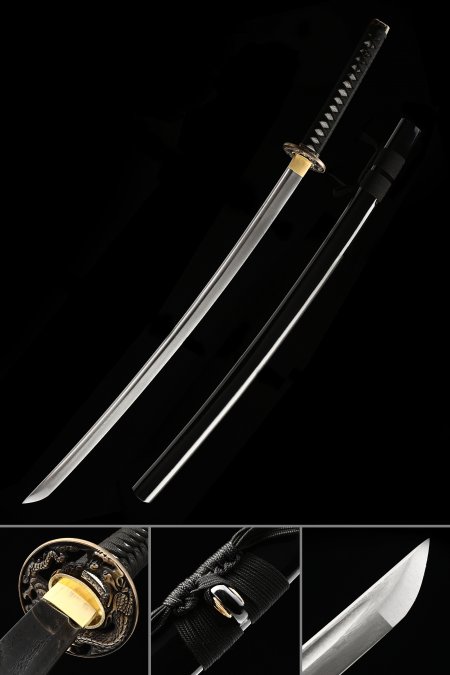
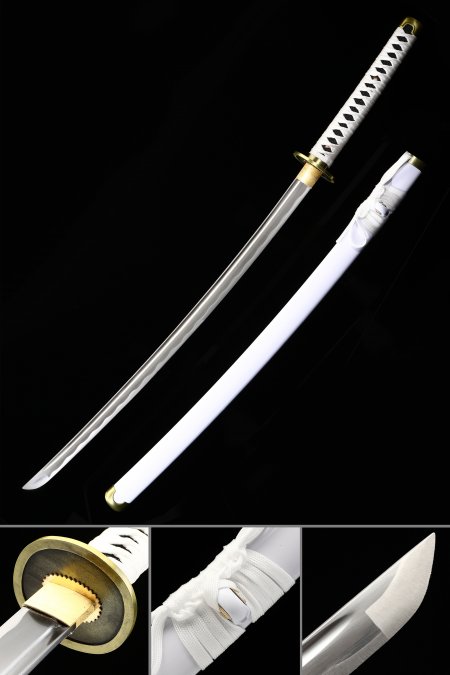
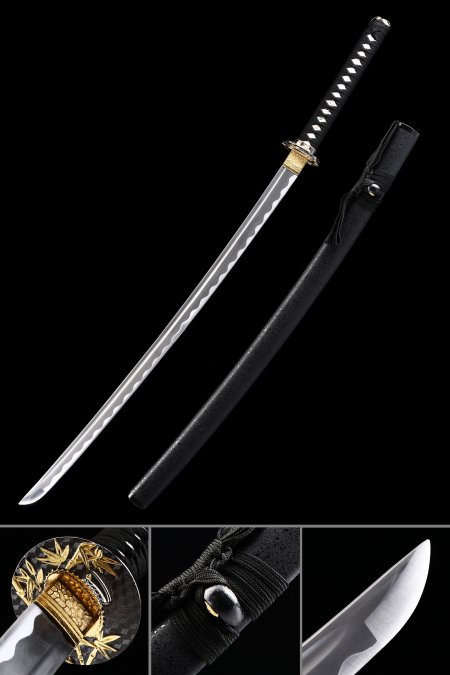
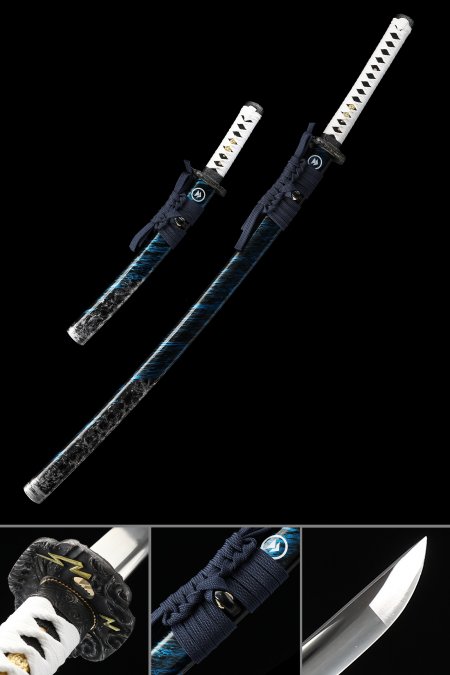
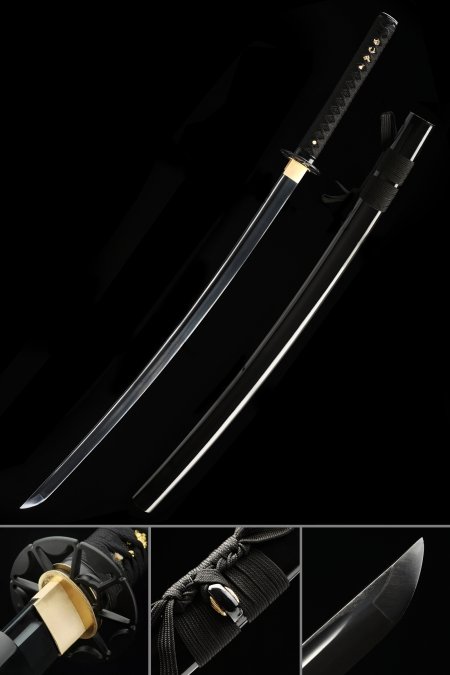
The wave tsuba - known in Japanese craft tradition as nami-tsuba - draws its form from the imagery of ocean waves and flowing water, motifs that held deep symbolic meaning in Japanese art, representing both power and impermanence. Unlike geometric or floral guard designs, the wave pattern features fluid, asymmetric curves that vary significantly depending on the metalworker's interpretation. In this collection, wave tsuba are produced in cast iron, hammered copper, bronze alloy, and gold-tone finishes, each giving a distinct visual weight and surface texture. Iron tsuba tend to have a more austere, antique appearance, while copper and gold-tone variants introduce warmth and brilliance that contrast beautifully against dark lacquered saya. The design is historically associated with samurai families with coastal or maritime connections and remains one of the most sought-after guard styles among decorative collectors today.