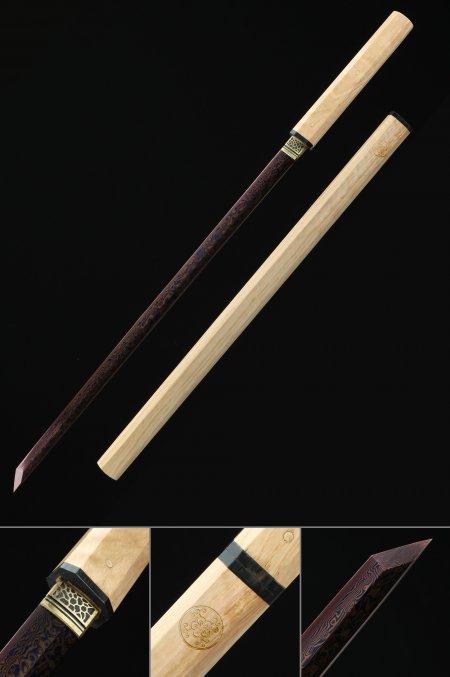
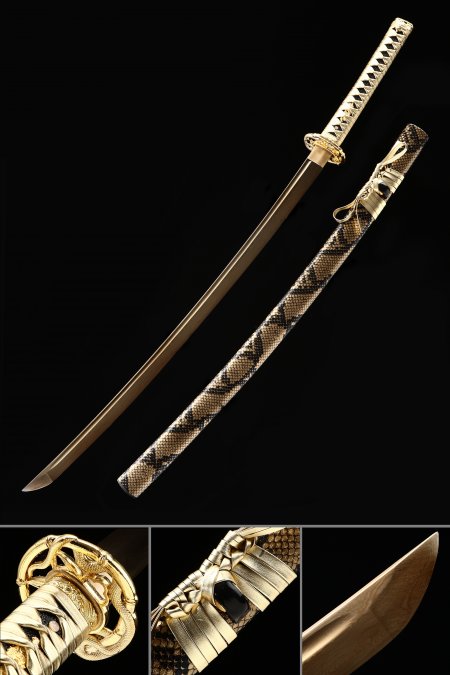
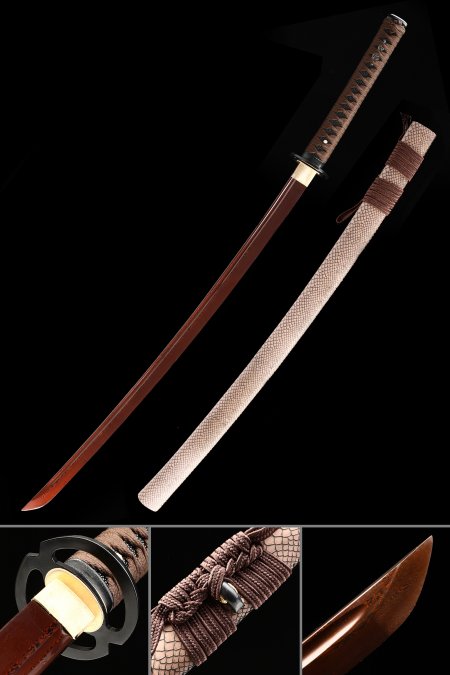
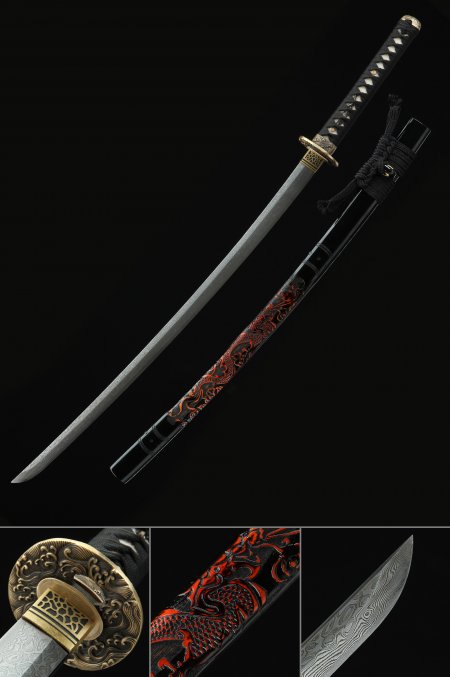
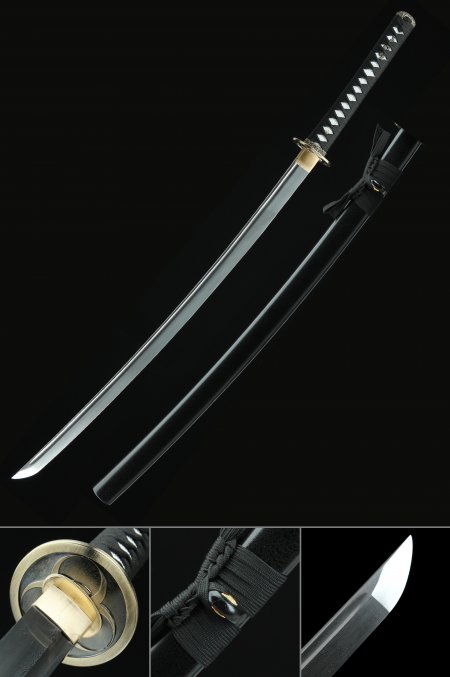
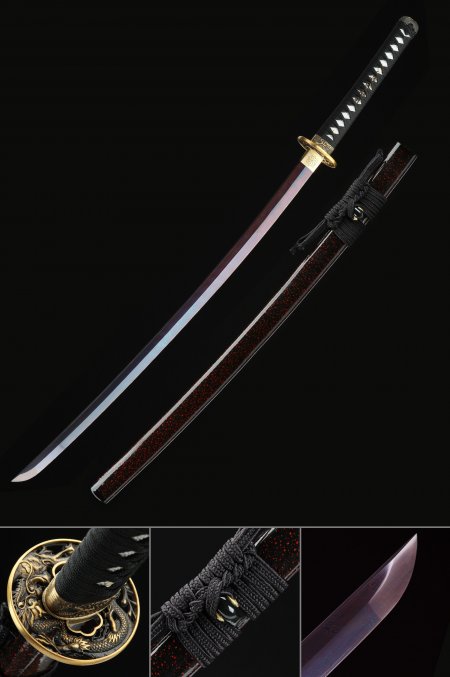
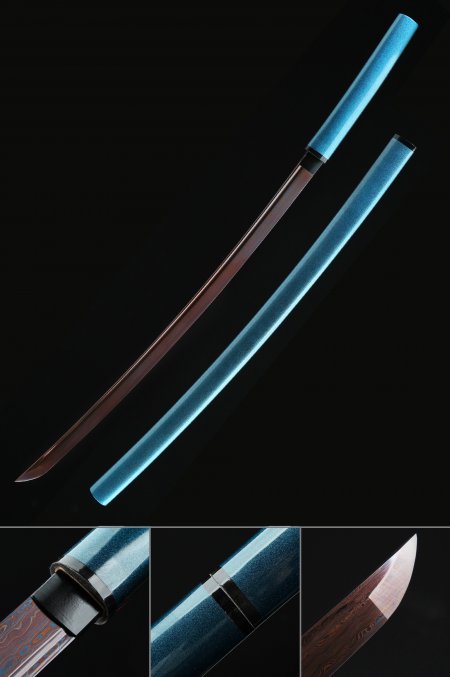
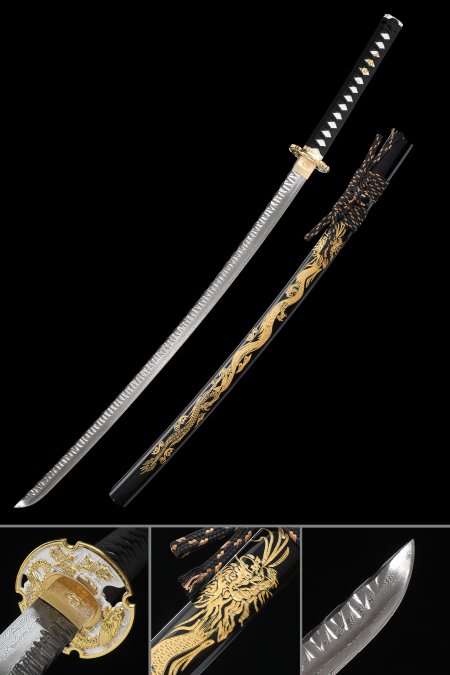
How does a T10 steel blade differ from Damascus in this collection?
Updated Mar 2026
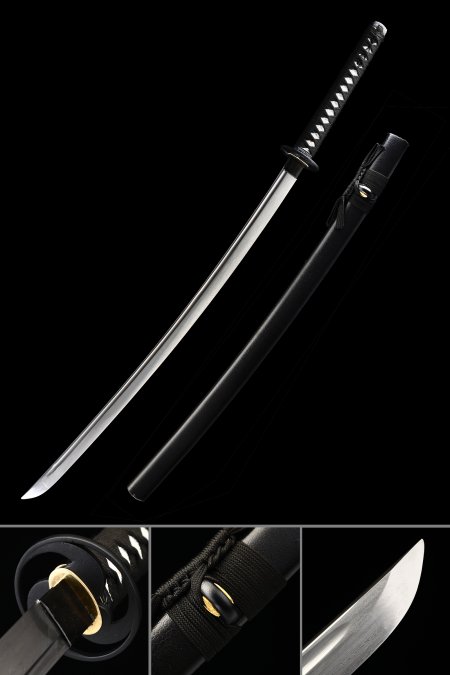
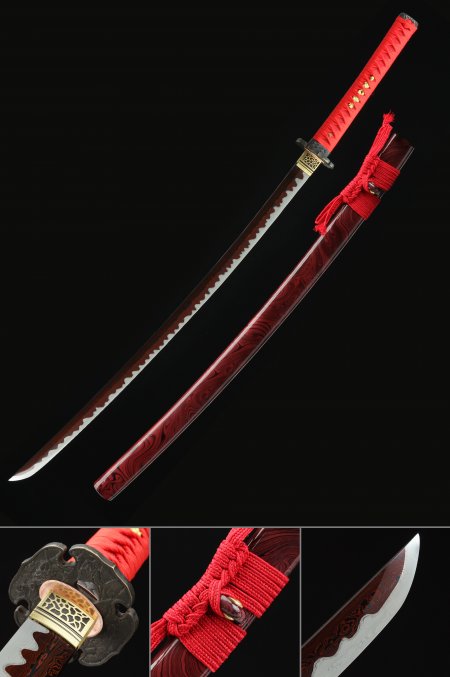
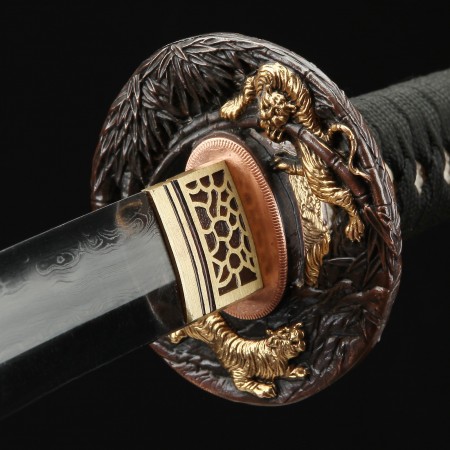
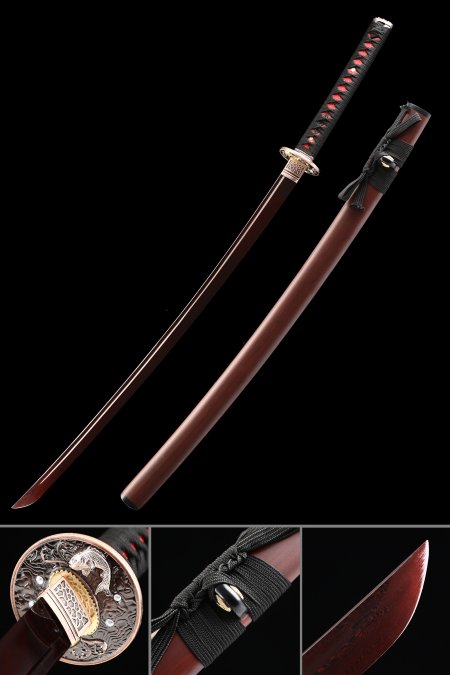
T10 tool steel is a high-carbon, tungsten-bearing alloy valued for a fine, uniform grain that responds beautifully to clay tempering. The clay tempering process creates a hard edge and a softer spine, producing a visible hamon — the misty, undulating temper line that runs the length of the blade. This hamon is a primary aesthetic and technical feature collectors examine closely. Damascus steel, by contrast, is built by folding and forge-welding two or more alloys together repeatedly, then etching the finished blade to reveal flowing water-grain or ladder patterns across the entire surface. Damascus blades do not typically display a traditional hamon, but offer extraordinary surface complexity instead. Choosing between them is largely an aesthetic decision: T10 rewards examination of the temper line and polish, while Damascus rewards study of the layered grain pattern.