What makes a chrysanthemum tsuba different from other guard styles?
Updated Mar 2026
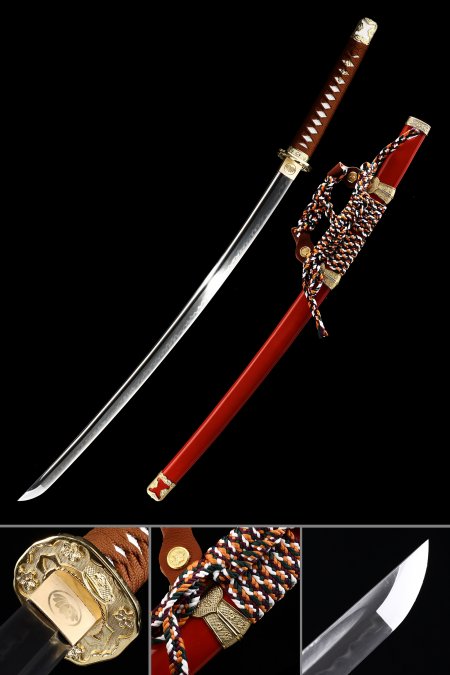
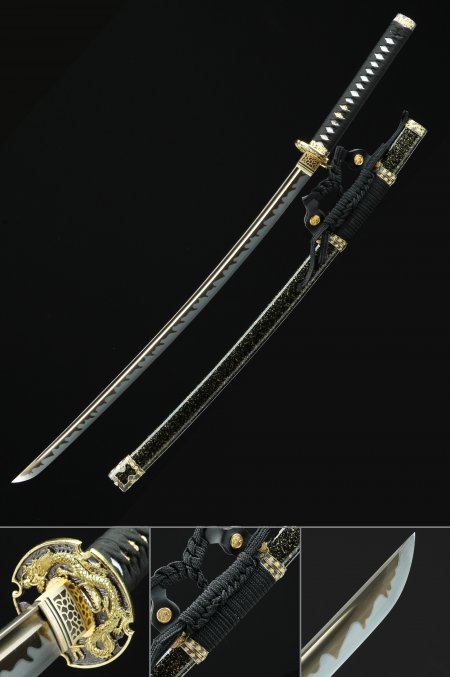
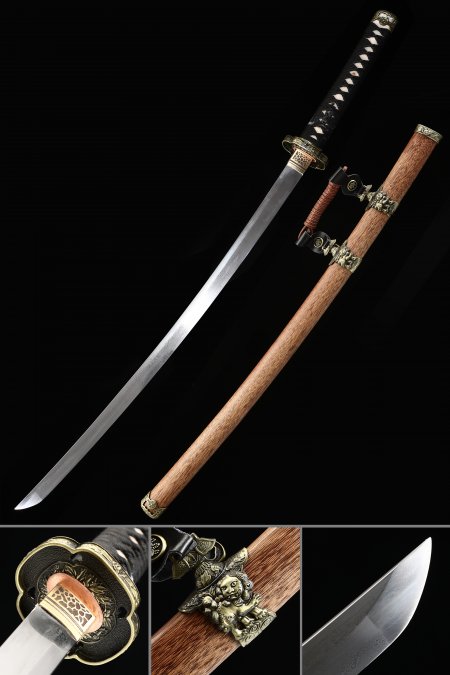
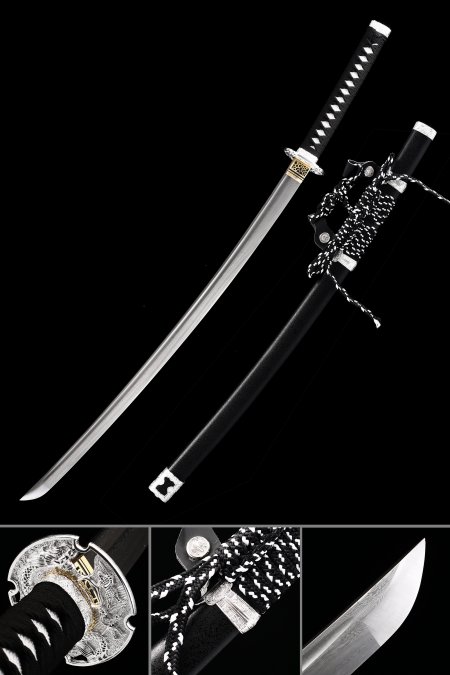
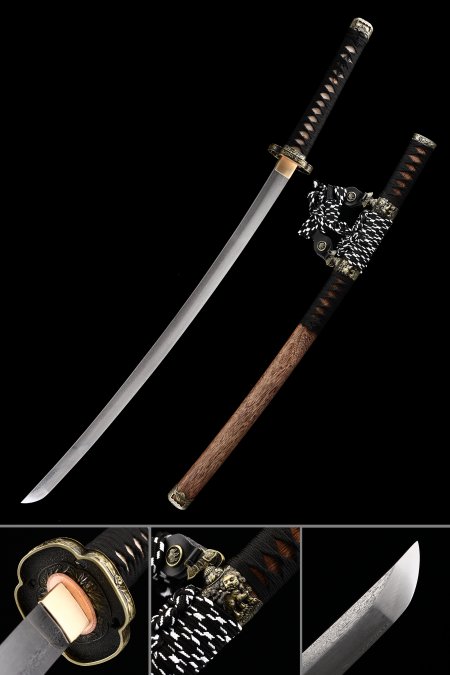
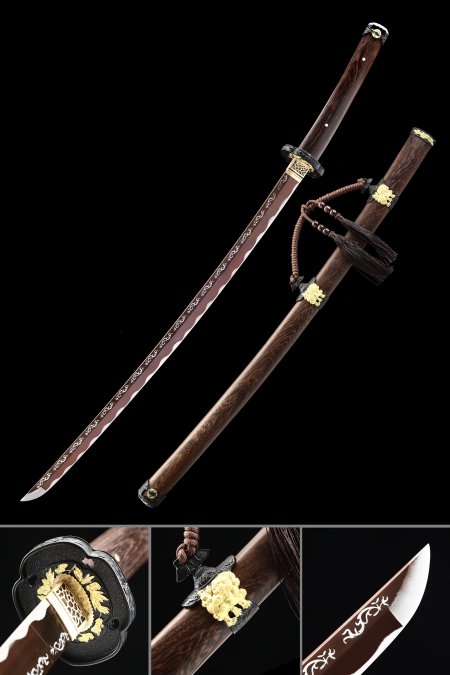
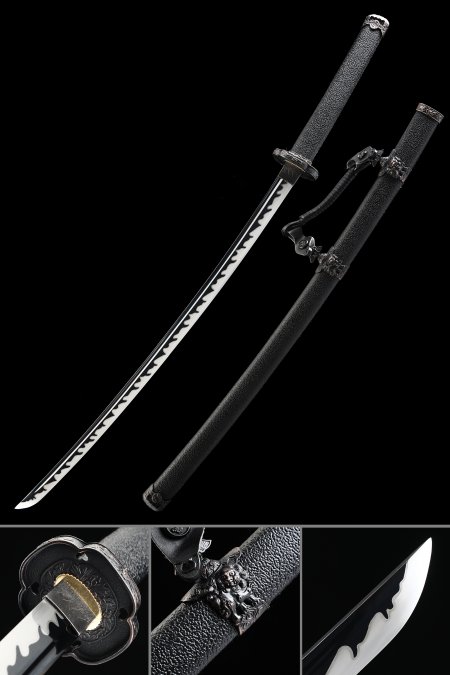
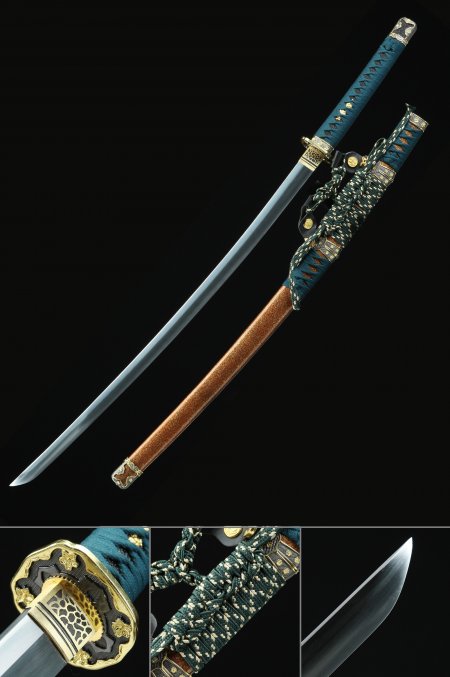
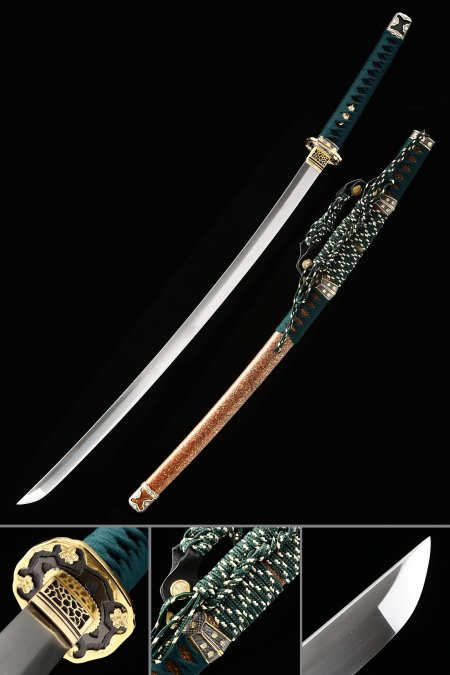
A chrysanthemum tsuba is shaped or decorated to represent the iconic Japanese imperial blossom, typically featuring radiating petal forms either in relief casting or openwork cutouts. Unlike simple round iron tsuba or geometric sukashi designs, the chrysanthemum pattern carries explicit cultural weight — it was historically associated with imperial authority and high-ranking samurai households. In collectible tachi, this guard style is usually executed in bronze, gold-toned alloy, or a two-tone gold-and-black finish, with varying levels of petal detail that directly reflect casting and finishing quality. When evaluating a piece, look for clean petal separation, a flush fit to the habaki, and a finish that doesn't show obvious casting seams — these details separate a thoughtfully made collectible from a generic reproduction.