How does clay tempering affect the final blade appearance?

 Updated Mar 2026

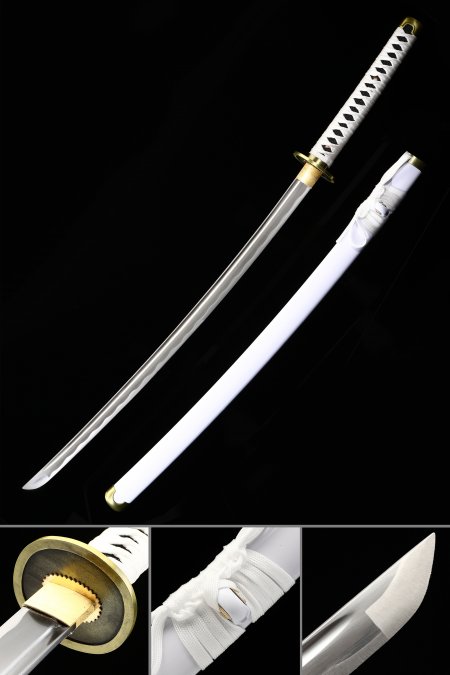
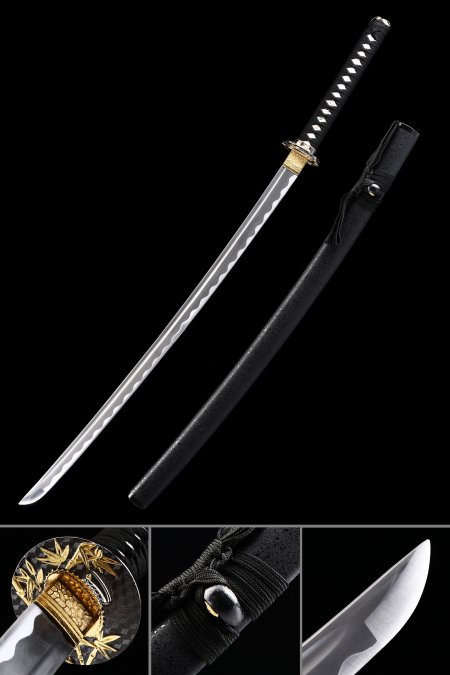
Clay tempering — known in Japanese as tsuchioki — involves applying a layer of heat-resistant clay along the spine of the blade before the final quench. The exposed edge cools rapidly and hardens to a high Rockwell rating, while the clay-insulated spine cools more slowly, retaining flexibility. The boundary where these two zones meet becomes the hamon: a wavy or undulating temper line visible along the blade's surface. On polished carbon steel blades, the hamon appears as a milky, frosted line against the brighter steel. It is not painted or etched — it is a structural feature created by the thermal differential during quenching. This is why collectors specifically seek clay-tempered blades over through-hardened ones, as the hamon serves as direct visual evidence of the tempering process.
Popular Products

20% OFFkatana sword
139.00 USD
179.00 USD
20% OFFkatana sword
159.00 USD
199.00 USD
15% OFFichigo bankai sword
139.00 USD
159.00 USD
15% OFFghost of tsushima sword
169.00 USD
199.00 USD
15% OFFzoro sword
139.00 USD
169.00 USD
20% OFFenma sword
179.00 USD
219.00 USD
20% OFFzoro swords
349.00 USD
439.00 USD
15% OFFblack katana
179.00 USD
209.00 USD
20% OFFblue katana
149.00 USD
189.00 USD
20% OFFghost of tsushima sword
299.00 USD
369.00 USD
15% OFFzoro katana
139.00 USD
169.00 USD
15% OFFkatana sword
129.00 USD
149.00 USD
20% OFFkatana sword
139.00 USD
179.00 USD
20% OFFkatana sword
159.00 USD
199.00 USD
15% OFFichigo bankai sword
139.00 USD
159.00 USD
15% OFFghost of tsushima sword
169.00 USD
199.00 USD
15% OFFzoro sword
139.00 USD
169.00 USD
20% OFFenma sword
179.00 USD
219.00 USD
20% OFFzoro swords
349.00 USD
439.00 USD
15% OFFblack katana
179.00 USD
209.00 USD
20% OFFblue katana
149.00 USD
189.00 USD
20% OFFghost of tsushima sword
299.00 USD
369.00 USD
15% OFFzoro katana
139.00 USD
169.00 USD
15% OFFkatana sword
129.00 USD
149.00 USD

Explore Our Collections