What do the chrysanthemum and peony tsuba designs represent?
Updated Mar 2026
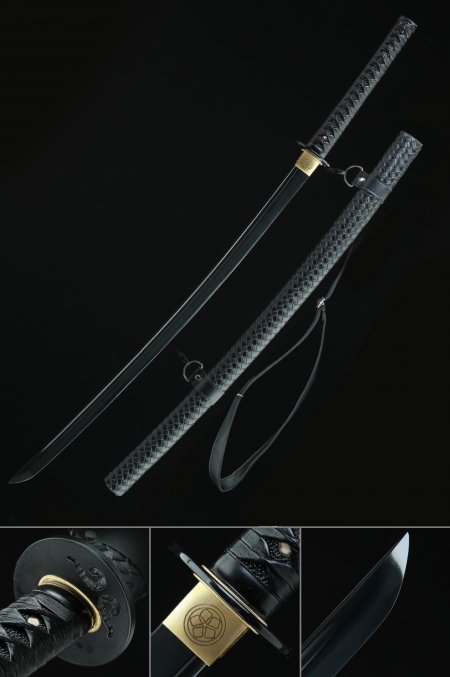
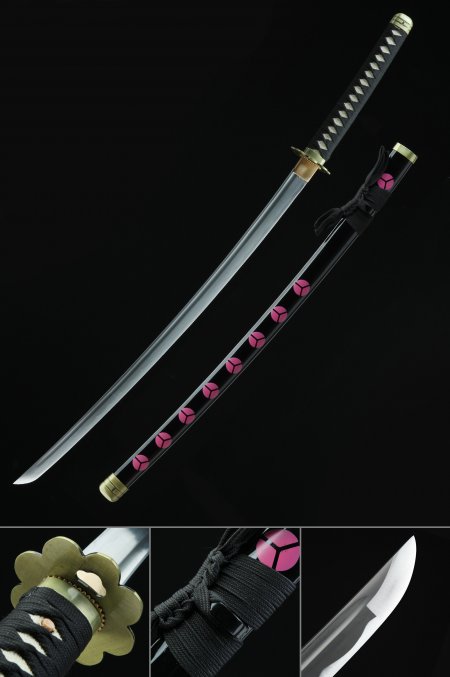
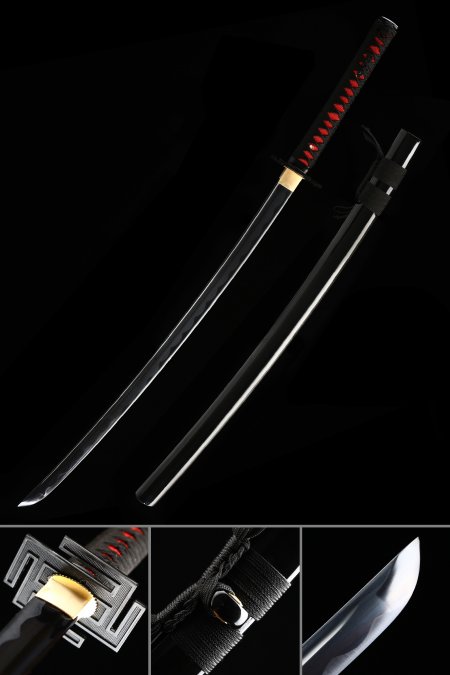
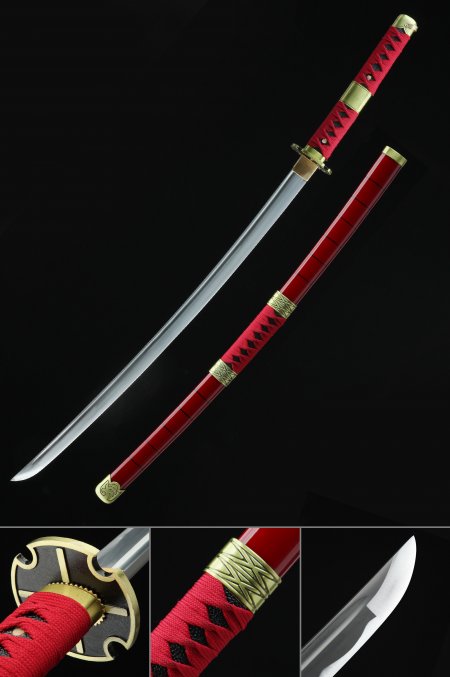
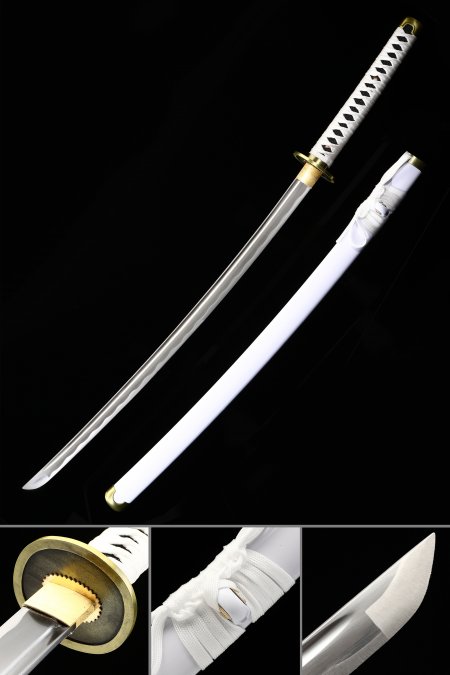
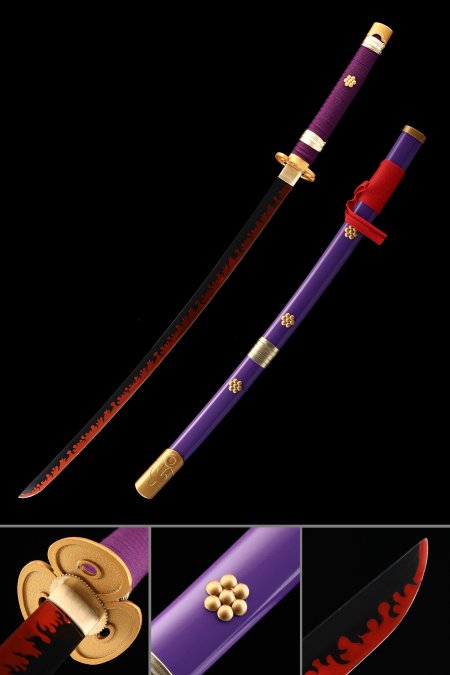
In Japanese decorative tradition, both motifs carry specific cultural weight. The chrysanthemum (kiku) is closely associated with the Imperial Household and appears on the Imperial Seal of Japan. On sword fittings, it connotes longevity, resilience, and noble lineage. The peony (botan) is sometimes called the ‘king of flowers’ in East Asian aesthetics and represents honor, good fortune, and high status—making it a frequent choice for formal sword mounts from the Edo period onward. Gold-finished tsuba bearing these motifs are not merely decorative choices; they place the piece within a recognizable iconographic tradition that collectors and enthusiasts familiar with Japanese sword history will immediately recognize. These motifs also appear in lacquerware, ceramics, and textile patterns of the same eras, making them authentic visual anchors for a period-informed display.