What makes a tachi different from a katana in terms of mounting?
Updated Mar 2026
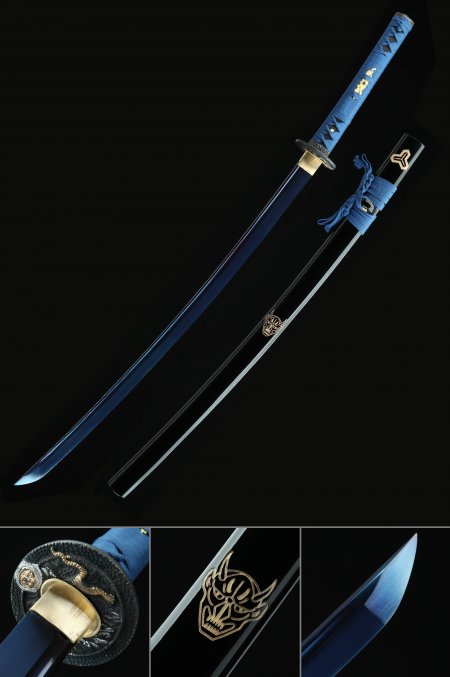
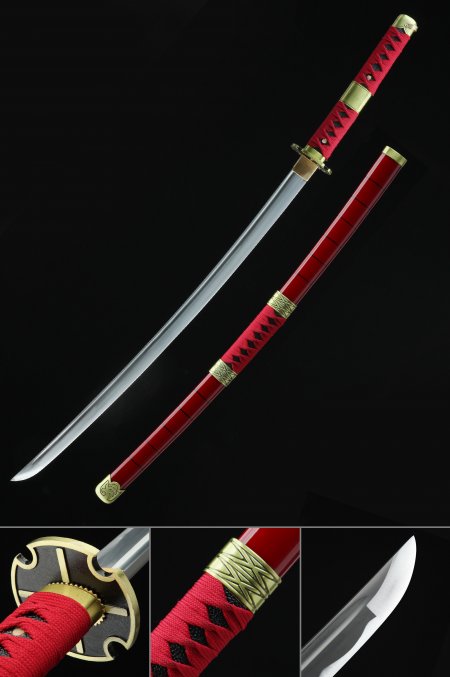
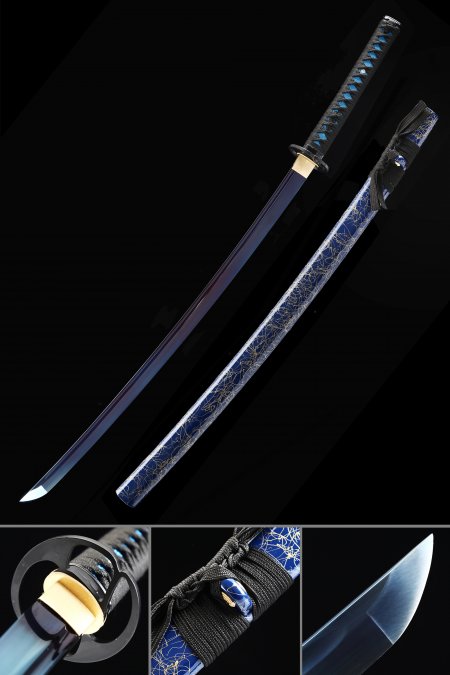
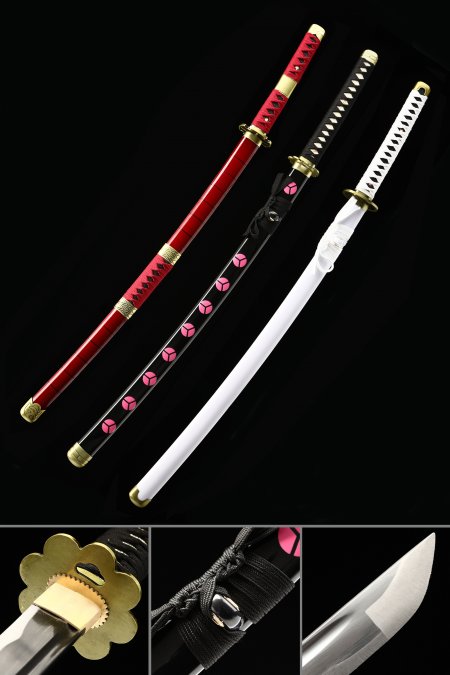
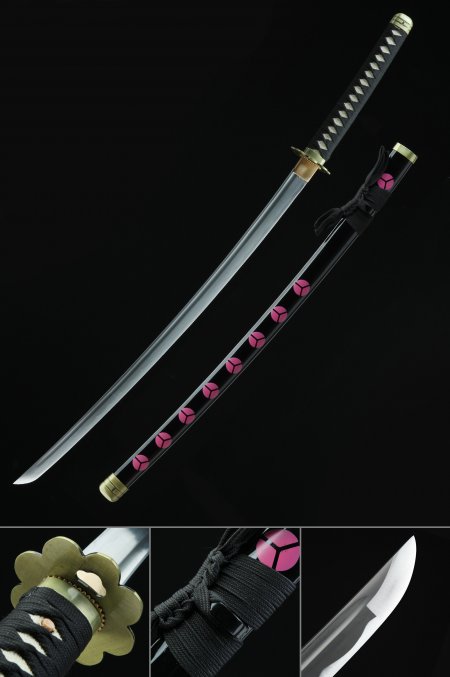
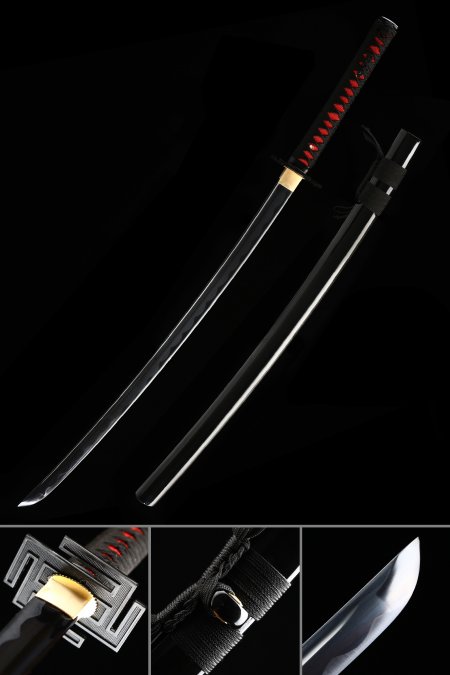
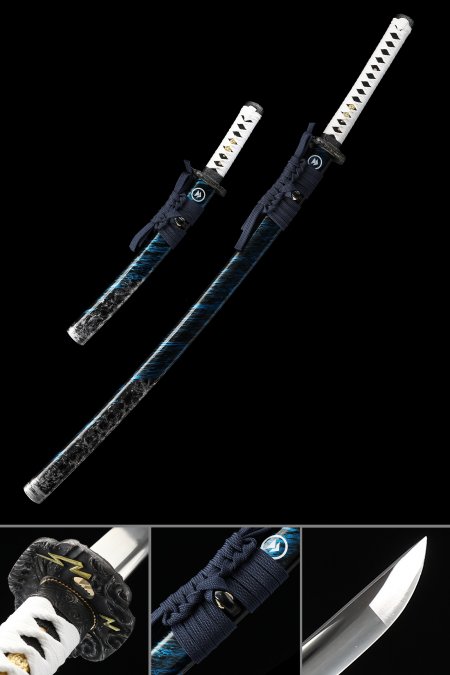
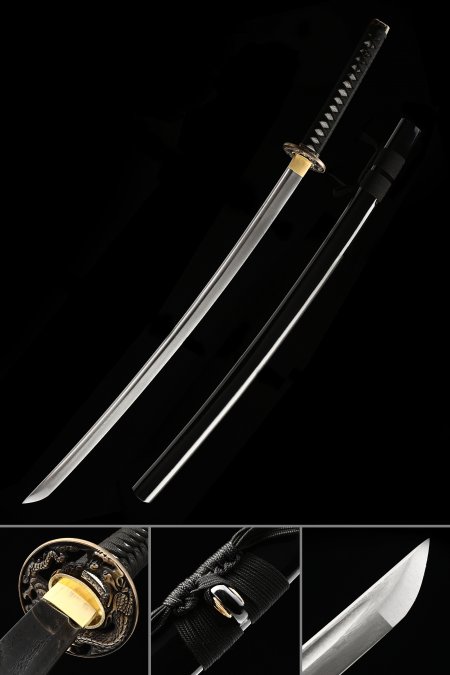
The primary distinction lies in how the blade is worn and consequently how the saya is mounted. A tachi was suspended edge-down from the belt using a sageo cord tied through kurikata fittings, which is why the sageo on tachi mountings tends to be longer and more prominently featured than on katana. Katana, by contrast, were thrust through the obi edge-up. This difference affects the geometry of the tsuba, the placement of the habaki, and the overall curvature profile — tachi typically have a more pronounced taper and curve designed to draw cleanly from an edge-down position. For display collectors, mounting a tachi horizontally with the edge facing down is the historically accurate presentation, and purpose-built tachi stands reflect this orientation.