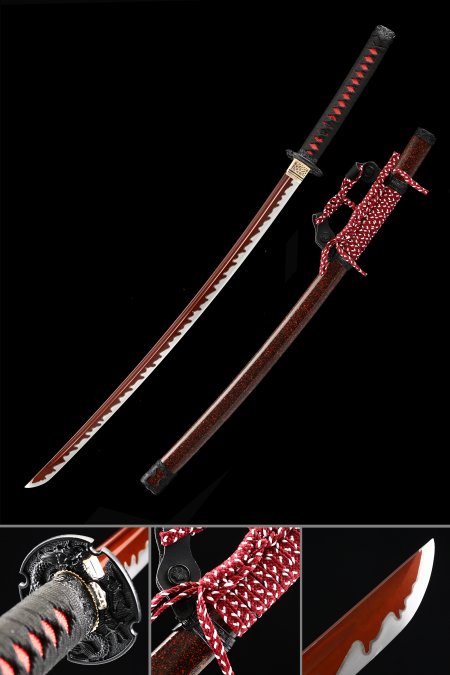
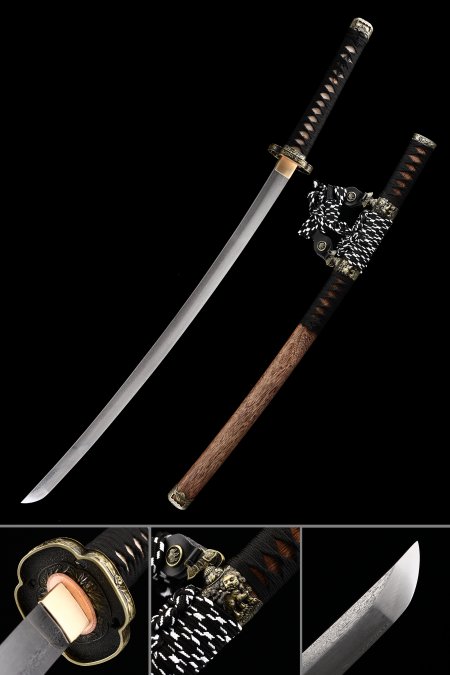
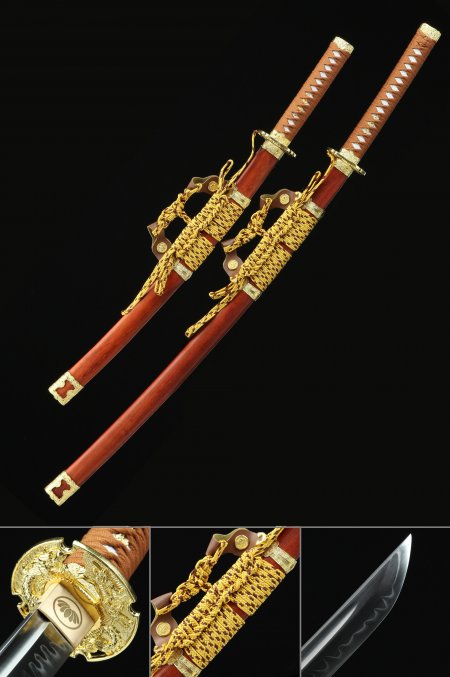
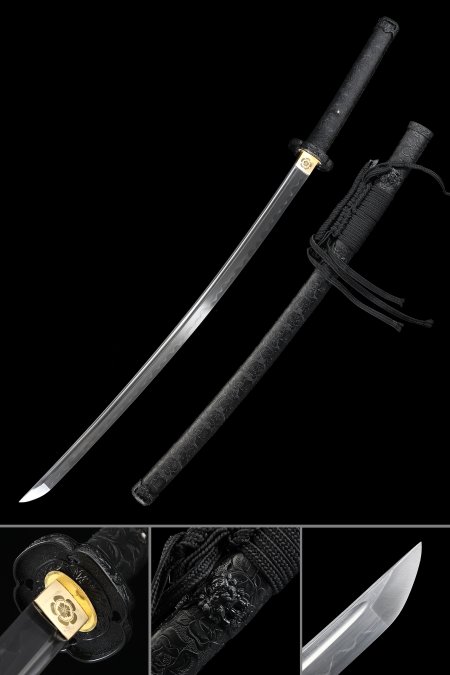
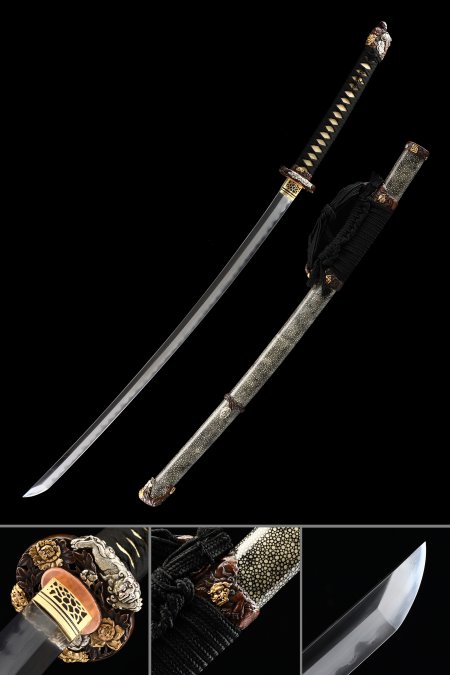
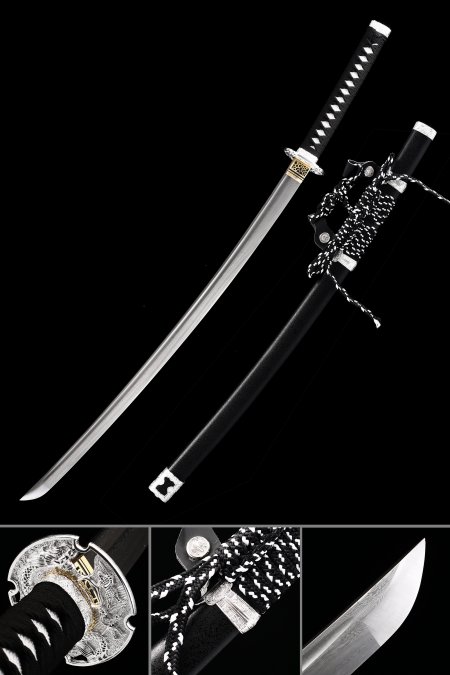
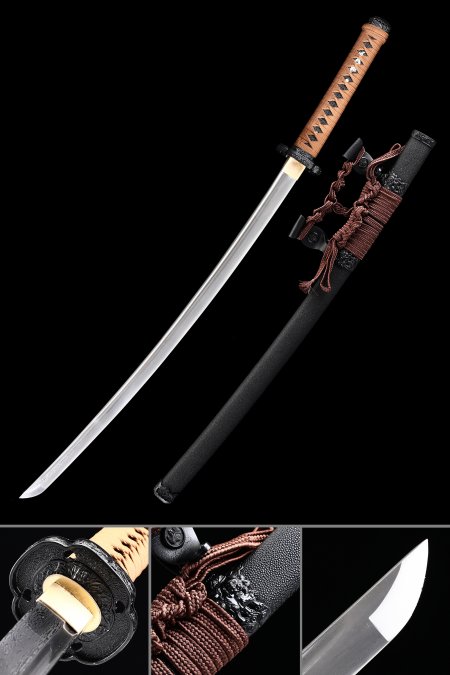
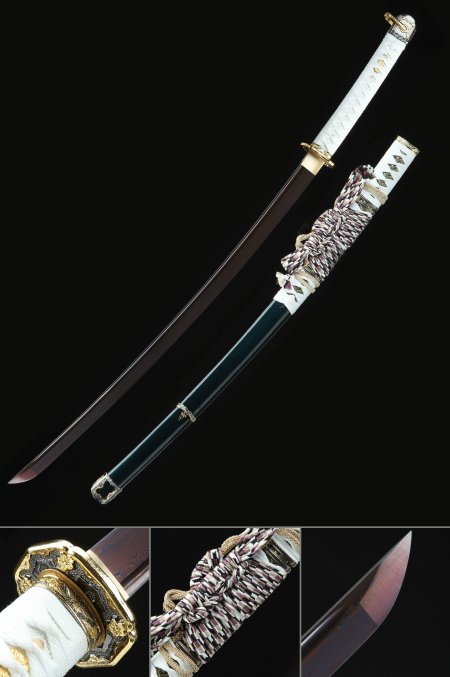
Are tachi with chrysanthemum or dragon tsuba more collectible?
Updated Mar 2026
Both motifs carry significant historical and symbolic weight in Japanese sword culture, but they represent different collecting registers. The chrysanthemum (kiku) tsuba references the imperial mon of Japan's royal house and was used extensively in formal presentation swords of the Edo period - making kiku-motif fittings associated with ceremonial prestige and refined court aesthetics. Dragon (ryu) tsuba, by contrast, connect to a deeper spiritual tradition: in Japanese cosmology, the dragon is a protective deity associated with water, transformation, and divine guardianship of the blade. Dragon koshirae are more commonly found across a broader range of period styles, from practical warrior fittings to elaborately carved decorative guards. From a display perspective, chrysanthemum tsuba create a quieter, more symmetrical visual focal point, while dragon tsuba introduce movement and narrative detail. The choice between them often reflects whether a collector is building toward a formal aesthetic or a more dramatic, mythological presentation.