Are Damascus steel ninjato suitable as long-term collectibles?
Updated Mar 2026
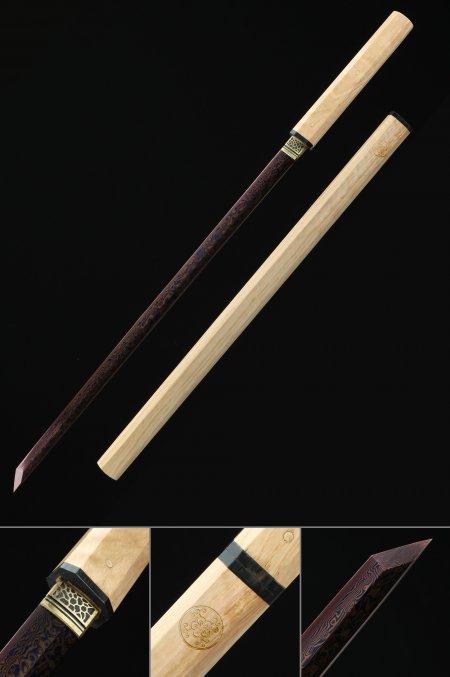
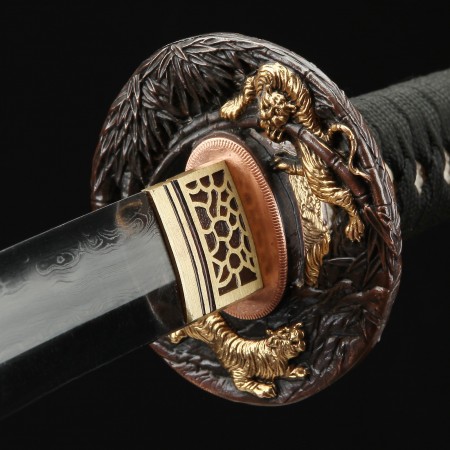
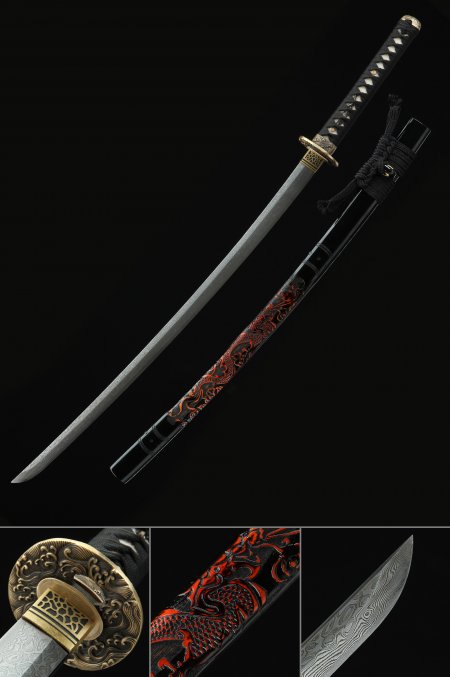
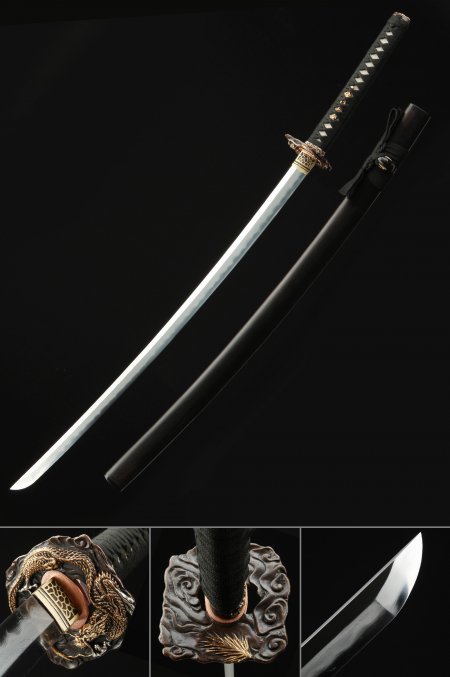
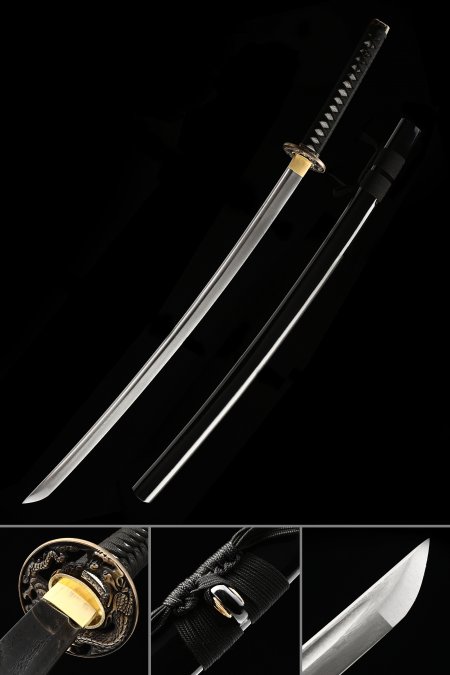
Damascus steel - produced by forge-welding multiple steel billets and folding them repeatedly to create layered grain patterns - is primarily valued in collectible swords for its striking visual texture rather than any single metallurgical property. The layered surface, often revealed through acid etching, gives each Damascus blade a unique appearance that no two pieces share exactly. For long-term collecting, Damascus ninjato are well-suited provided they receive proper care. The etched surface can lose contrast over time if exposed to high humidity without protection, so regular light oiling is more important for Damascus than for plain high-carbon steel. Avoid aggressive polishing, which can remove the etched layer and flatten the visual pattern. Stored correctly, a Damascus ninjato will retain its surface character indefinitely and typically appreciates in perceived value as a display centerpiece within a collection.