What do the different tsuba designs - dragon, lion, skull - symbolize?
Updated Mar 2026
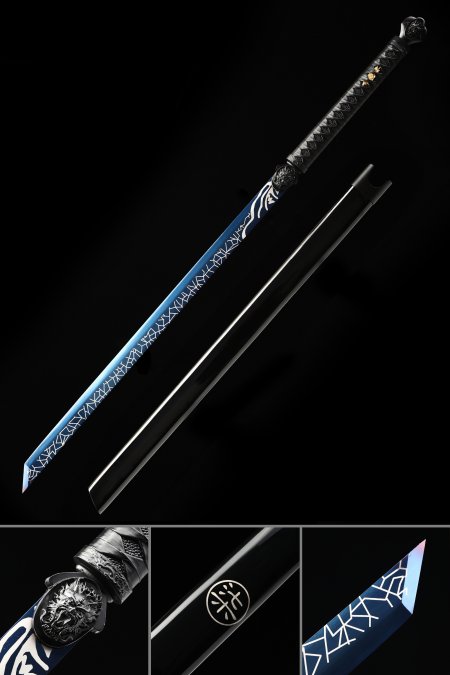
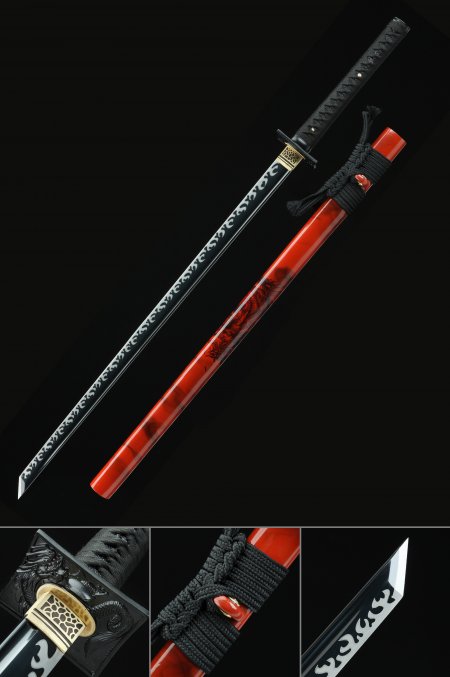
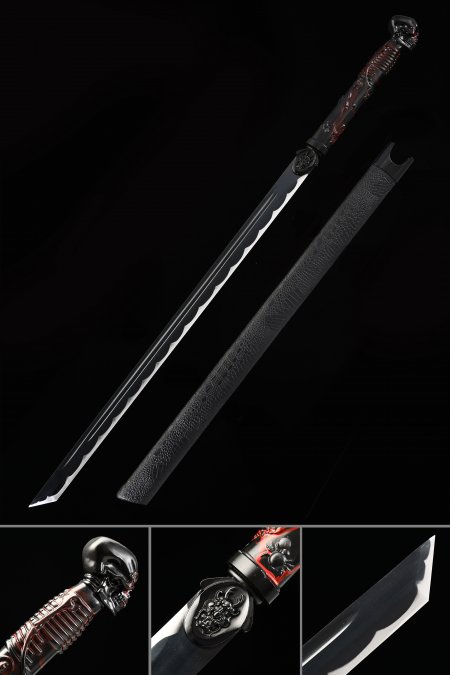
The tsuba, or sword guard, has been a vehicle for artistic and symbolic expression in Japanese sword culture for centuries. On these ninjato, the dragon tsuba draws from both Japanese and Chinese artistic tradition, where the dragon is associated with elemental power, divine protection, and transformation - making it one of the most enduring motifs in East Asian decorative arts. The lion tsuba references the shishi or guardian lion figure, a symbol of protection and strength found across temple architecture and sword fittings throughout the feudal period. The skull motif, while striking to modern eyes, has philosophical roots in Buddhist-influenced warrior culture, representing the acceptance of impermanence - a concept central to the samurai and shinobi worldview. Each tsuba design shifts the overall character of the ninjato it crowns, making the choice of guard a meaningful curatorial decision for the serious collector.