What makes Damascus steel visually unique on a katana?
Updated Mar 2026
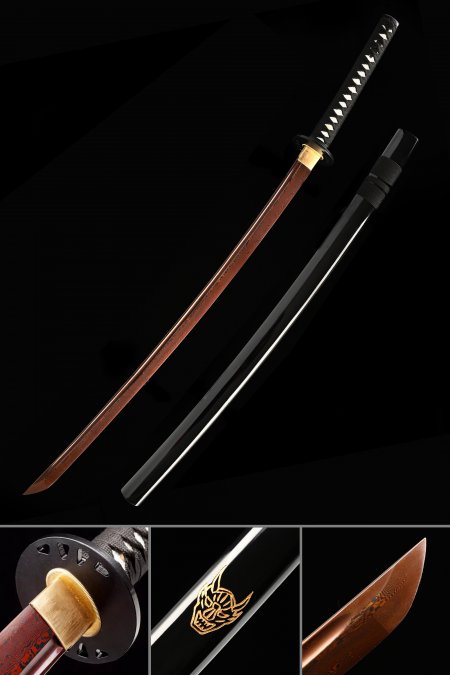
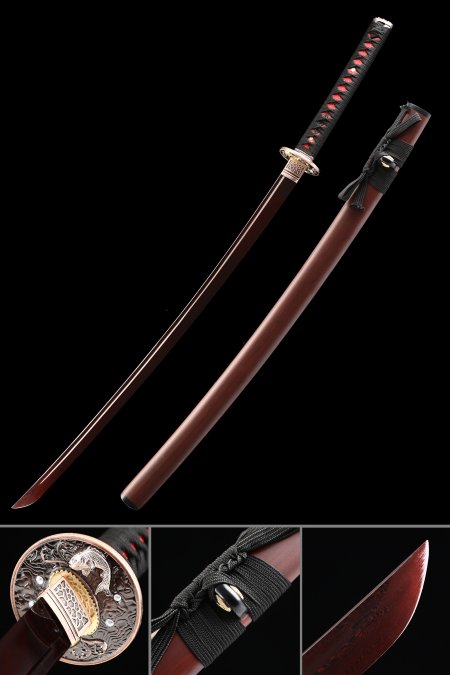
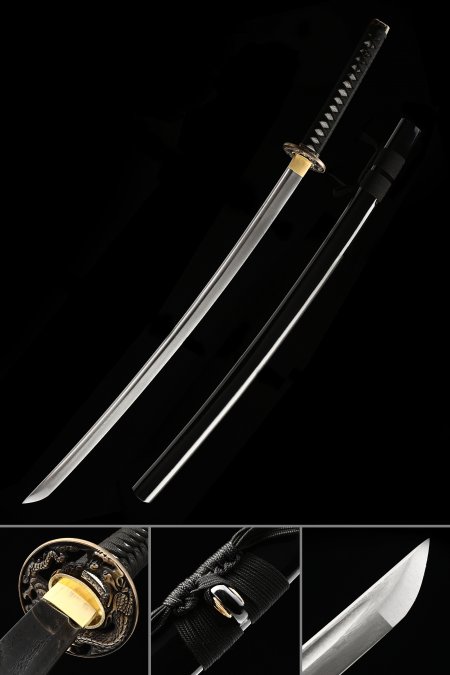
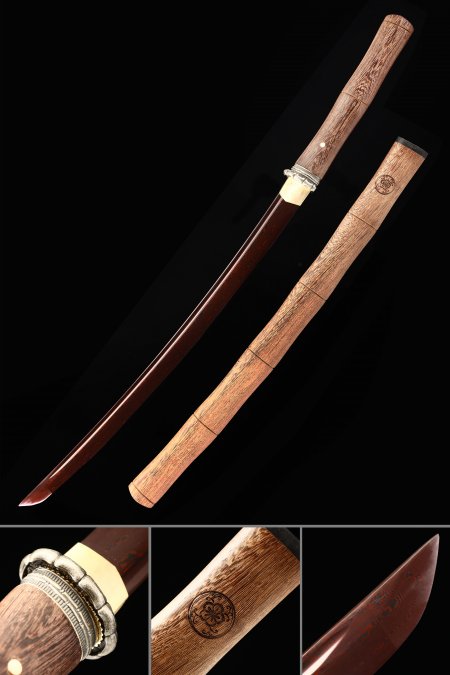
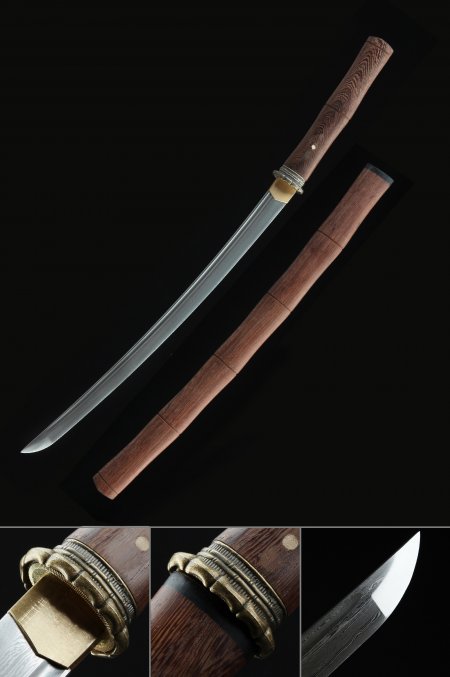
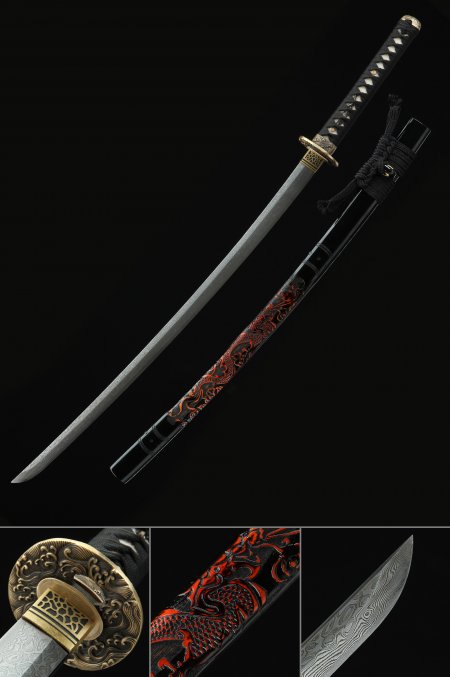
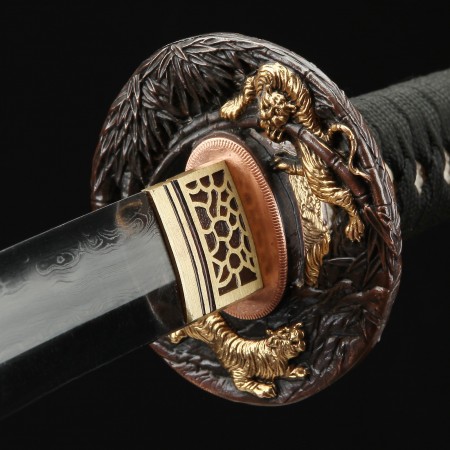
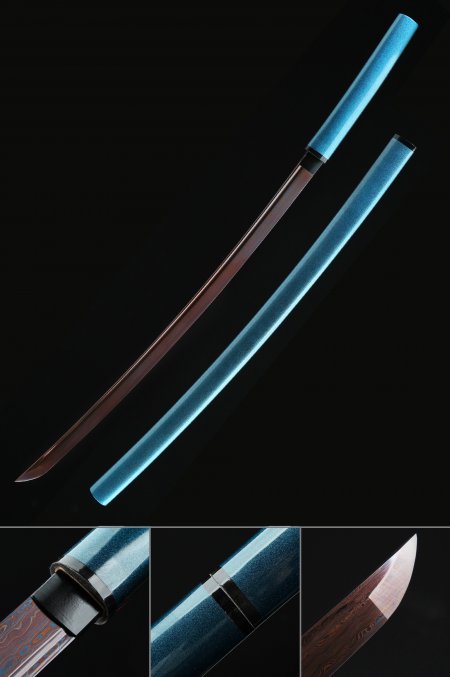
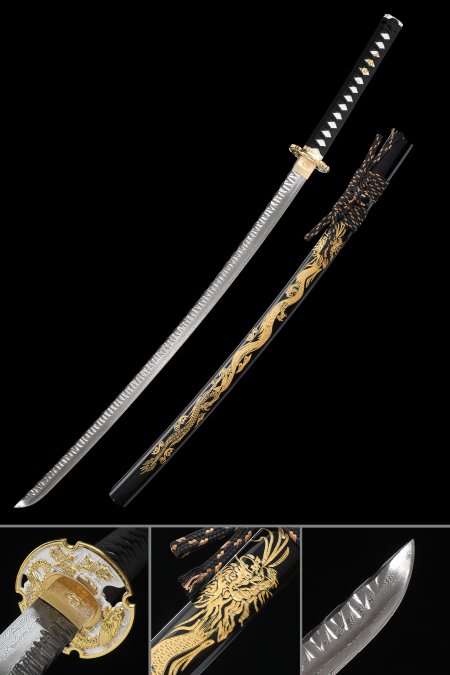
Damascus steel is produced by layering and folding different grades of steel repeatedly before shaping the blade. This process creates a flowing, grain-like surface pattern that becomes visible after polishing and etching. Because the folding pattern varies based on how the smith manipulates the billet, no two Damascus blades carry the same exact surface design. On a katana intended for collection and display, this means each piece is genuinely one-of-a-kind in its visual character. The pattern often resembles flowing water, wood grain, or abstract waves — qualities that have made Damascus blades prized among collectors and craftsmen for centuries.