How does a ninjato differ from a standard katana in design?
Updated Mar 2026
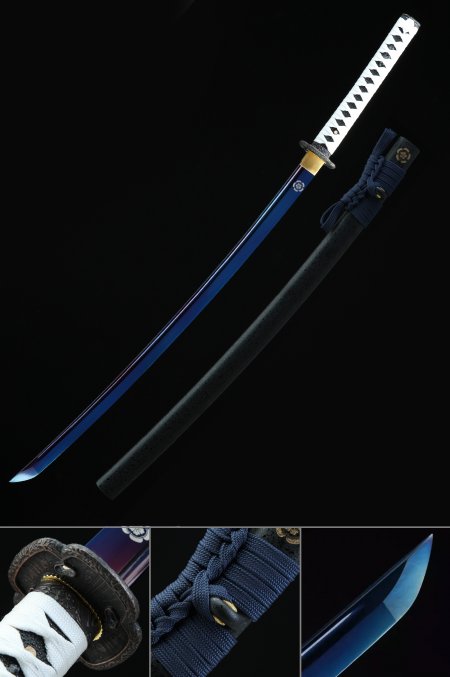
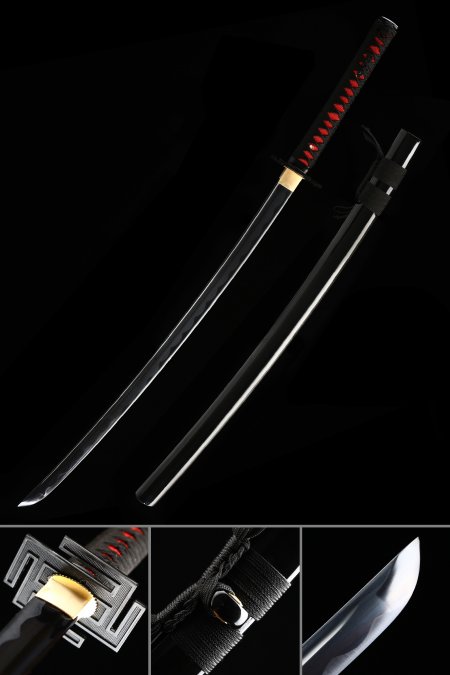
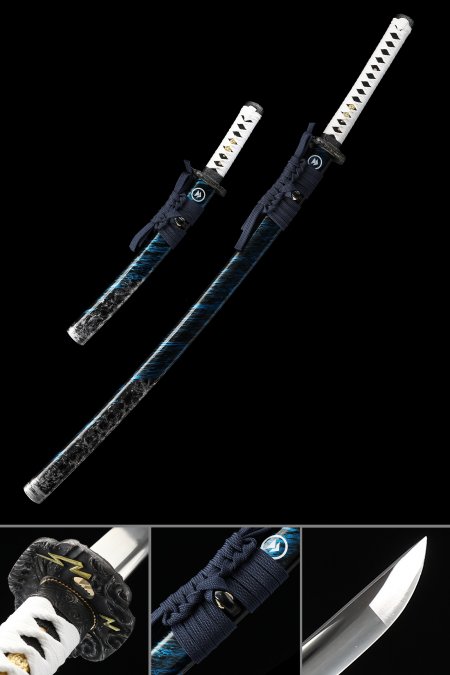
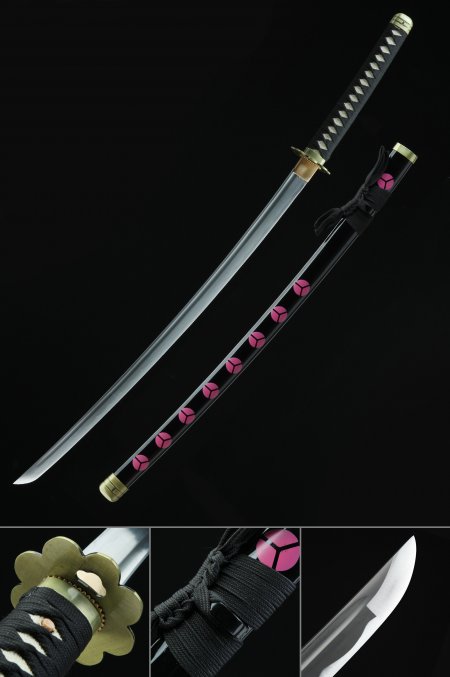
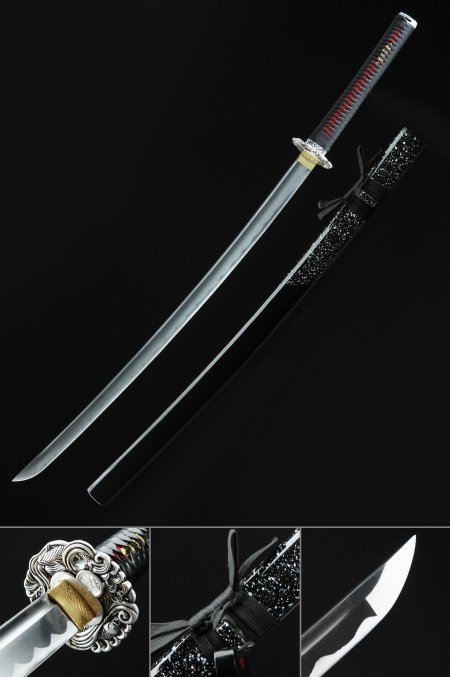
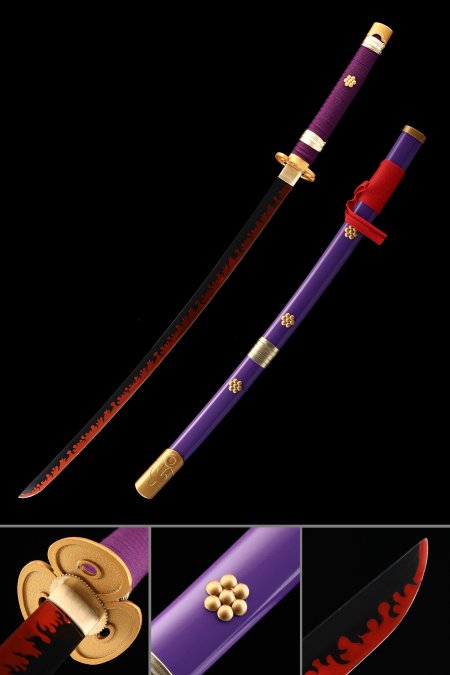
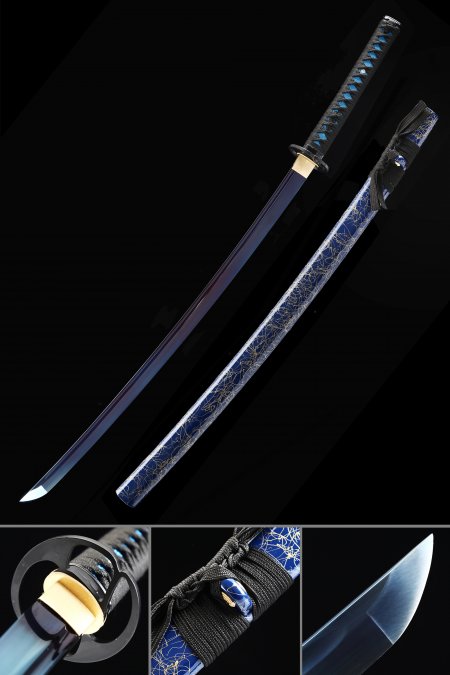
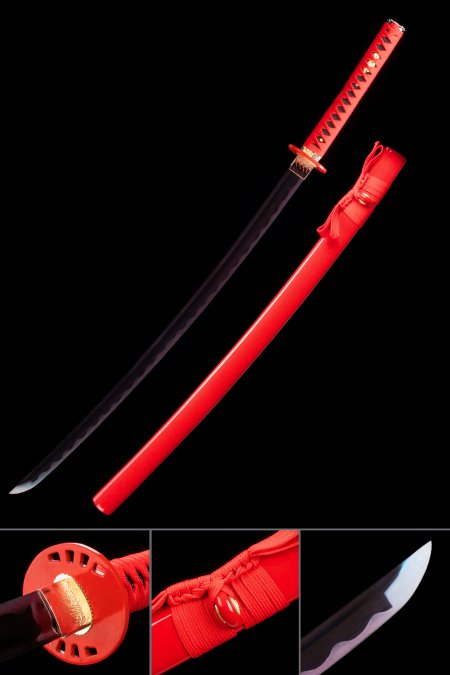
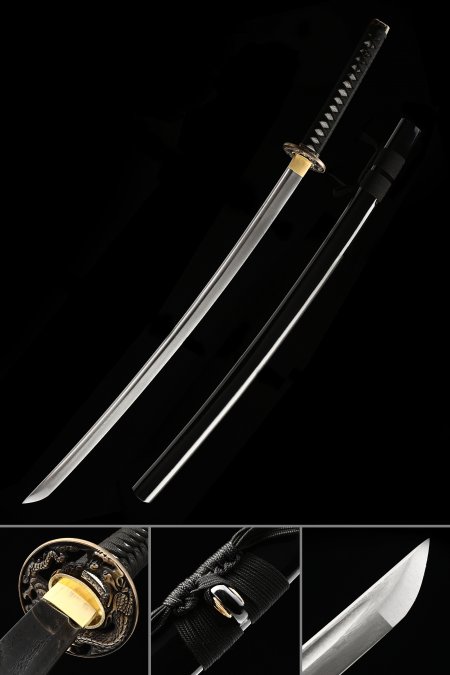
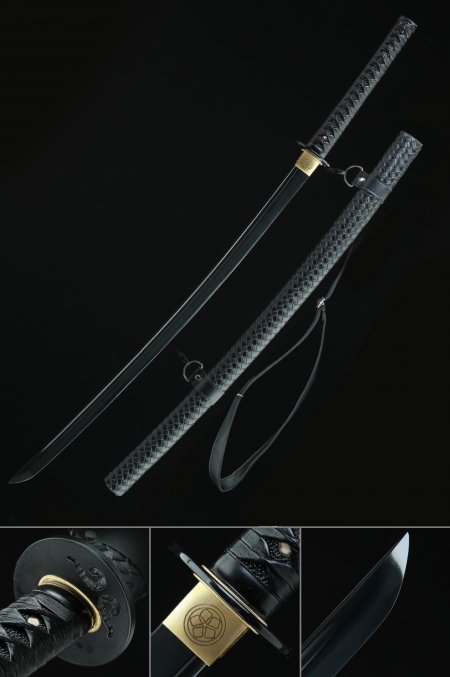
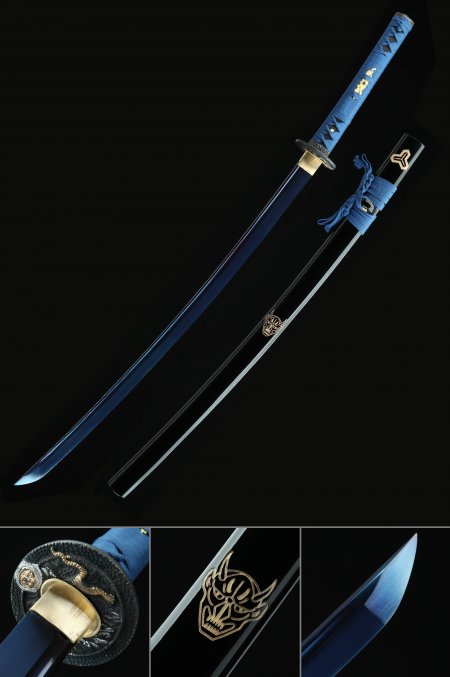
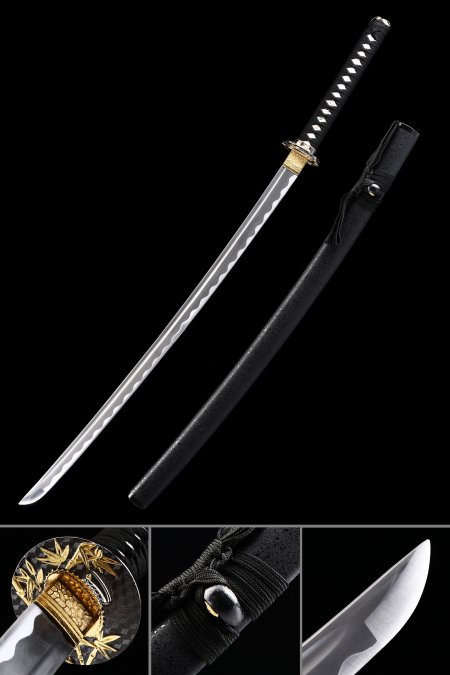
The most immediately obvious difference is blade geometry: a katana features a pronounced curve along its length, while a ninjato has a straight or very slightly curved blade profile, similar to the older chokuto form. The ninjato also tends to have a squared or rectangular tsuba rather than the more ornate round or irregular shapes common on katana. In collectible replicas, the ninjato's straight silhouette creates a clean, architectural look that displays differently from a curved blade — it casts sharper shadow lines and presents the blade's surface grain more uniformly when mounted horizontally. For collectors interested in the broader spectrum of Japanese sword forms, the ninjato offers a distinct visual counterpoint to the katana's iconic curve.