What should I look for in a tanto's kanji-engraved saya as a collector?
Updated Mar 2026
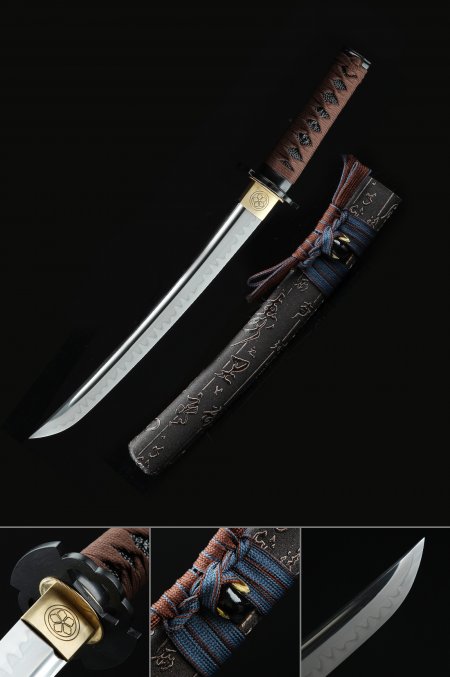
Kanji engravings on a saya are evaluated on the quality of the carving itself - the depth and consistency of the cut, the accuracy of the characters, and whether the engraving was done before or after lacquering. Pre-lacquer engraving typically results in cleaner edges where the finish follows the carved contour. Post-lacquer engraving can sometimes show chipping at the edges of the characters under magnification. The content of the kanji also carries meaning for collectors who can read them; phrases referencing virtue, nature, or classic poetic imagery are historically consistent with traditional sword culture, while purely decorative arrangements may indicate a more contemporary design approach.