How does T10 steel compare to 1095 in a clay-tempered katana?
Updated Mar 2026
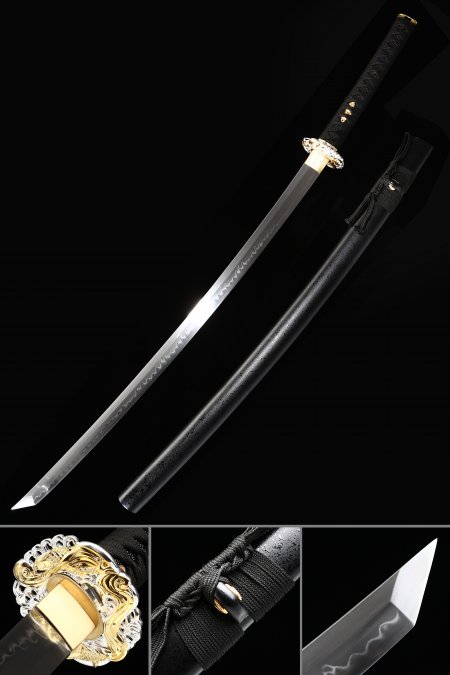
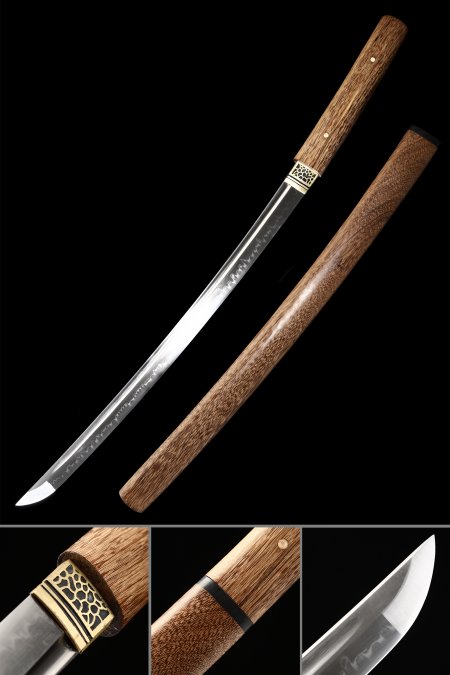
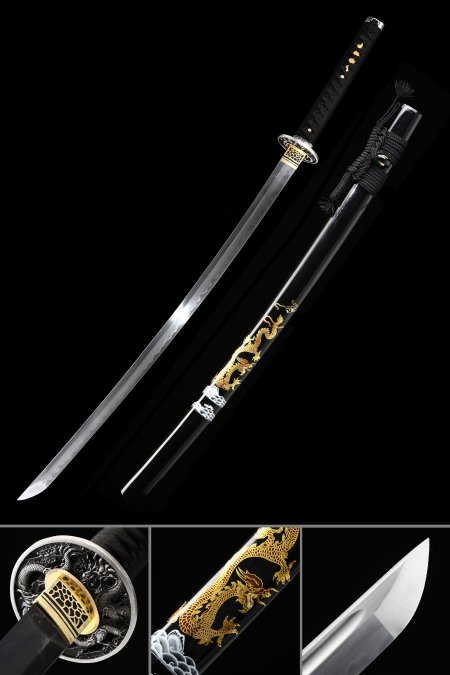
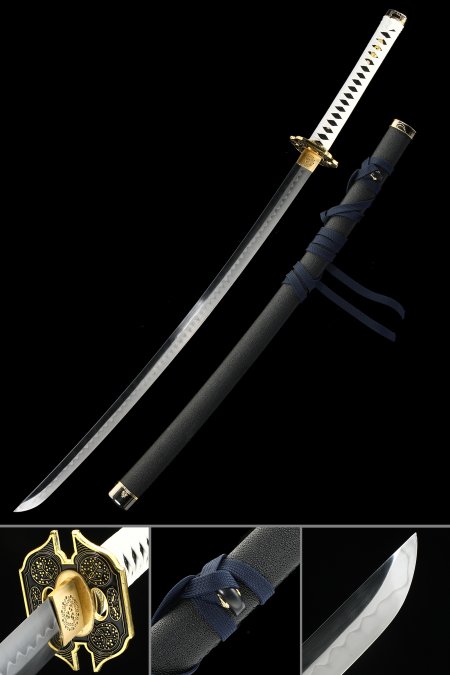
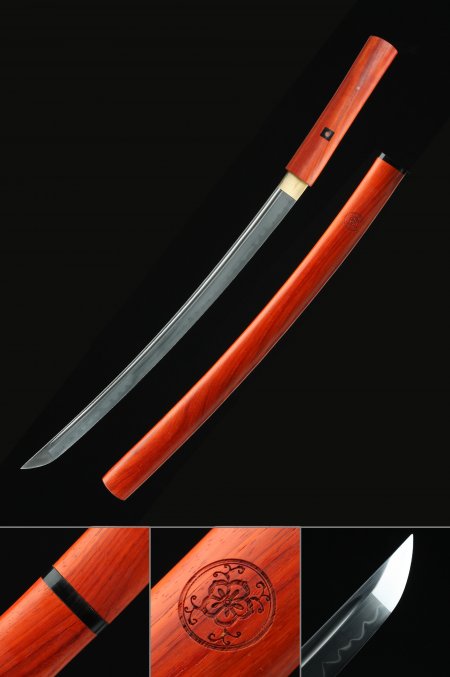
Both 1095 and T10 are high-carbon steels well suited to the clay-tempering process that produces a visible hamon, but T10 carries a small percentage of tungsten — typically around 0.9 to 1.0 percent — that is absent in 1095. This addition improves wear resistance and allows T10 to hold a finer grain structure at higher hardness levels. In practical terms for a collectible, a T10 blade tends to show a sharper, more defined hamon line with more distinct nie and nioi activity along the temper boundary. The 1095 blade is excellent in its own right and is often preferred for its more traditional carbon-steel character. Collectors who prize hamon clarity and edge definition typically gravitate toward T10; those who value the purist high-carbon aesthetic often choose 1095.