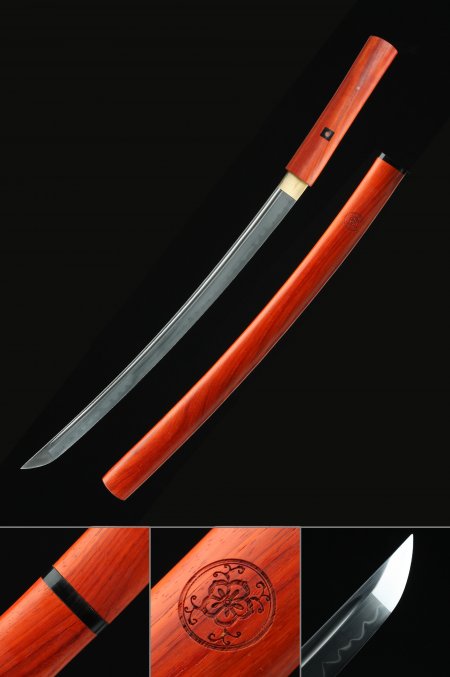
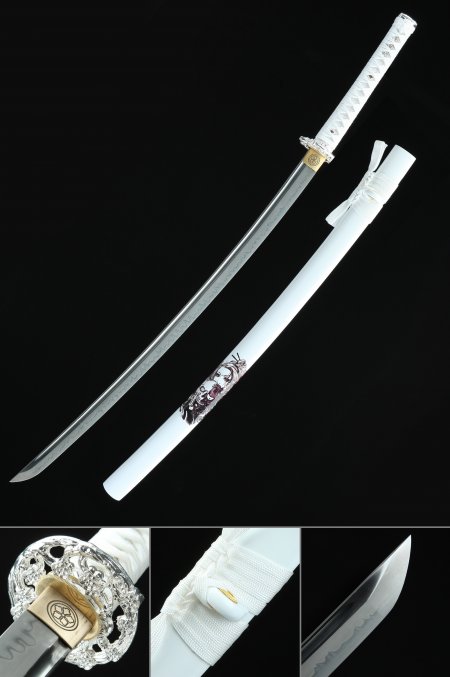
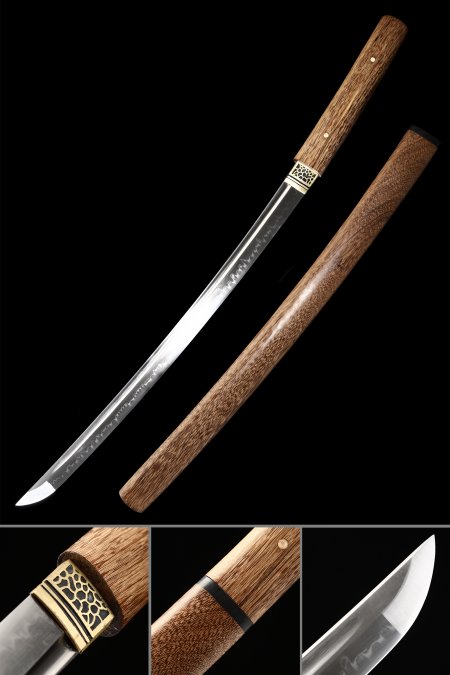
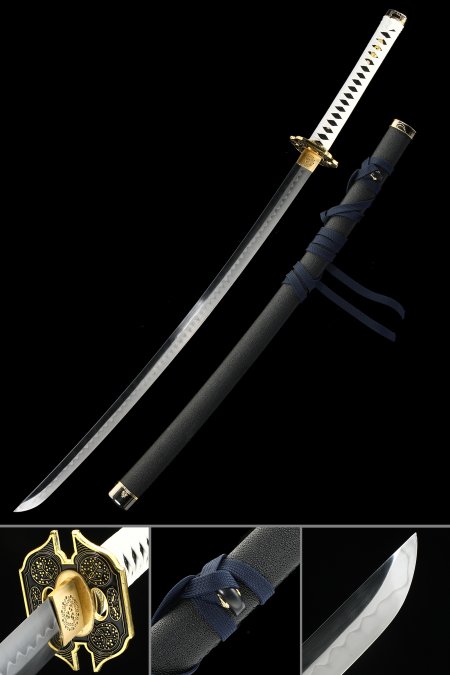
How does T10 steel differ from 1045 carbon steel in these blades?
Updated Mar 2026
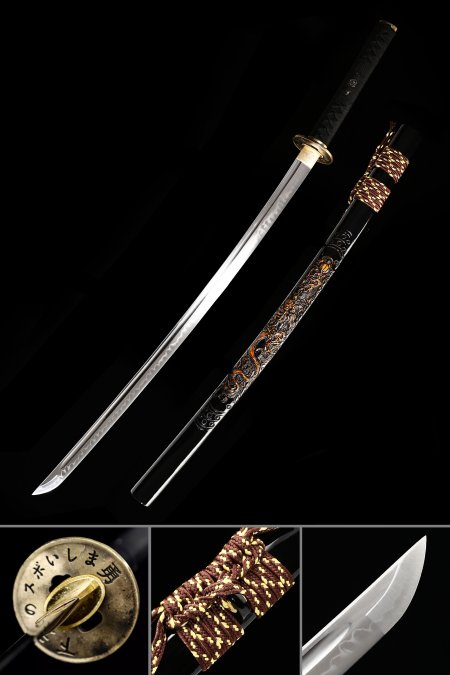
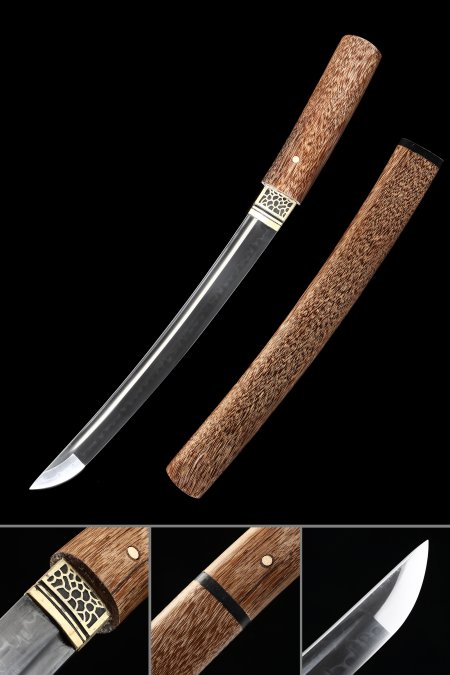
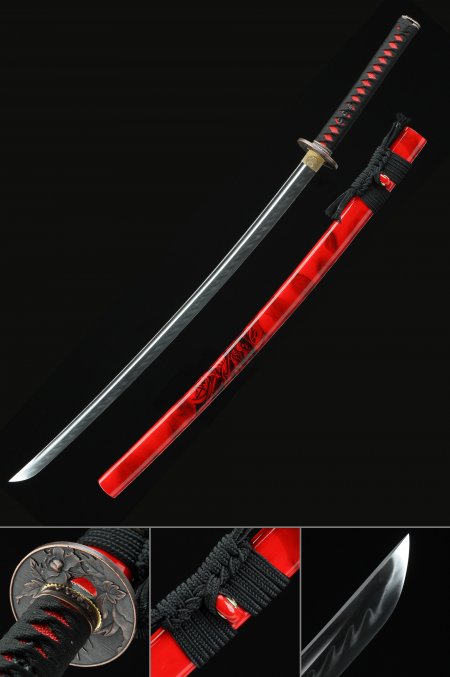
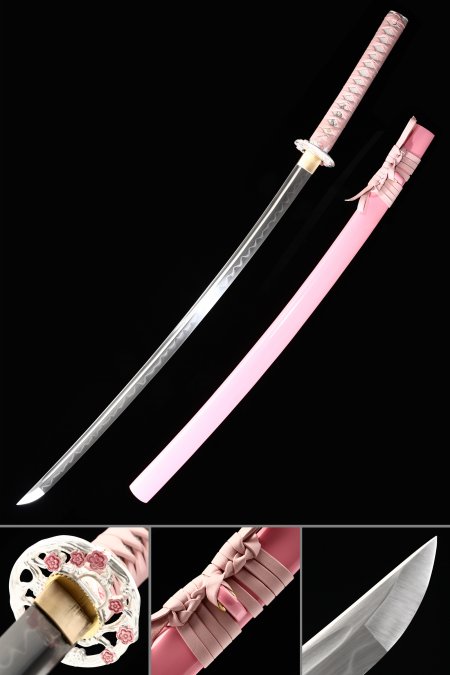
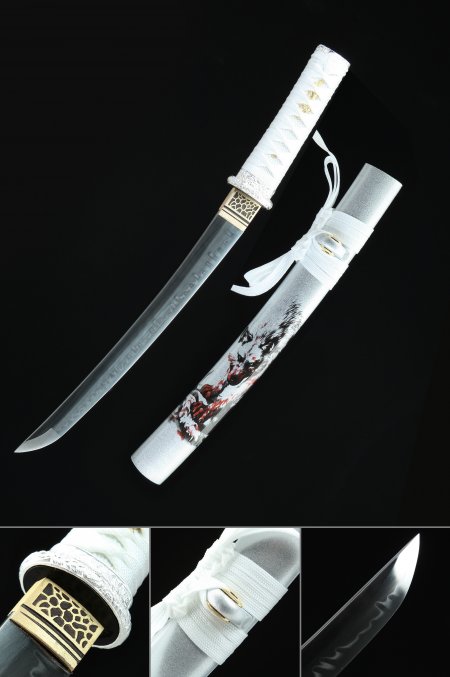
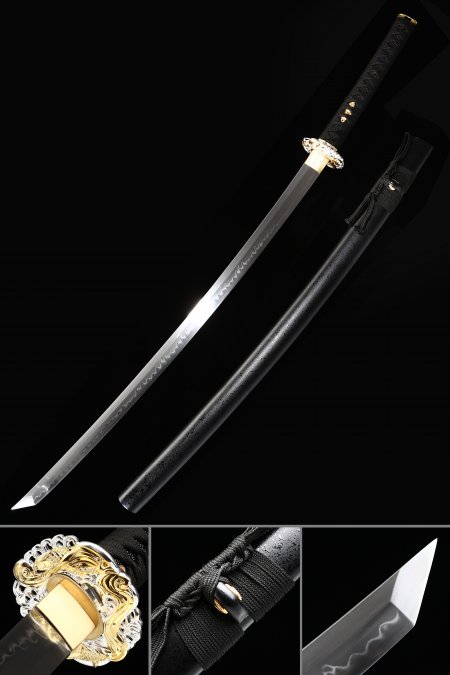
T10 tool steel contains a small percentage of tungsten added to its high-carbon composition, which increases wear resistance and allows the blade to hold a refined edge over time. When combined with clay tempering, T10 produces a visible hamon - the undulating temper line that separates the hardened edge from the softer spine. 1045 carbon steel has a lower carbon content, making it more impact-resistant and well-suited for longer or heavier blade formats like odachi and ninjato where flex tolerance matters. For display collectors, T10's hamon activity is often the deciding factor, as each blade's temper line is unique and functions as a kind of visual fingerprint. Both steels are appropriate for serious display collections; the choice depends on whether you prioritize surface artistry or structural robustness.