How does an aluminum iaito differ from a sharpened steel katana?
Updated Mar 2026
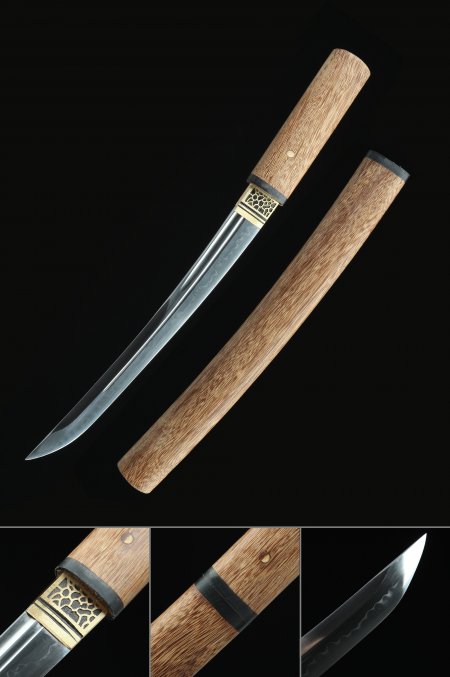
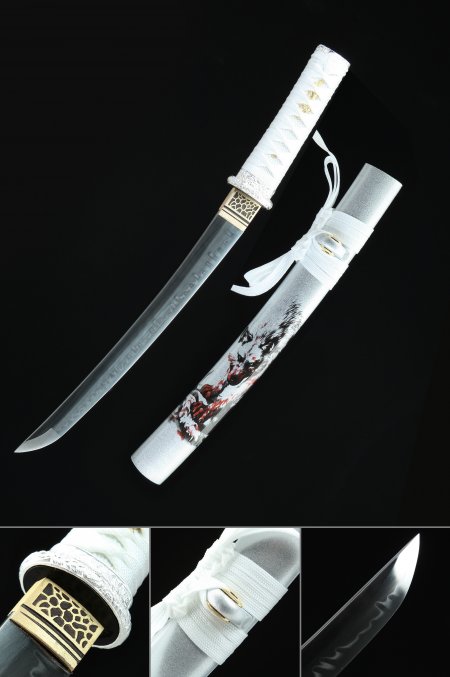
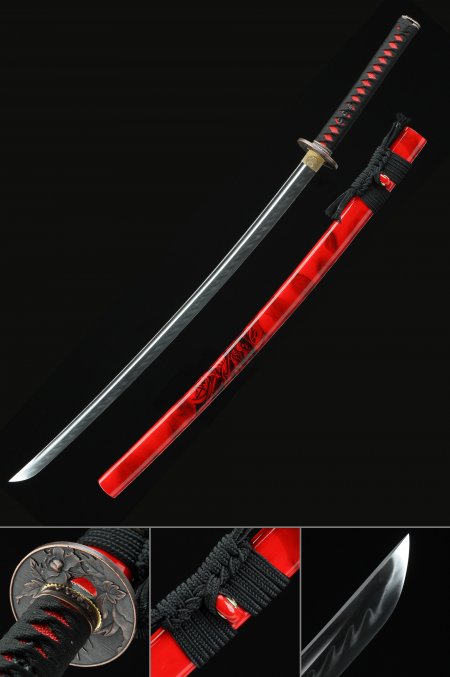
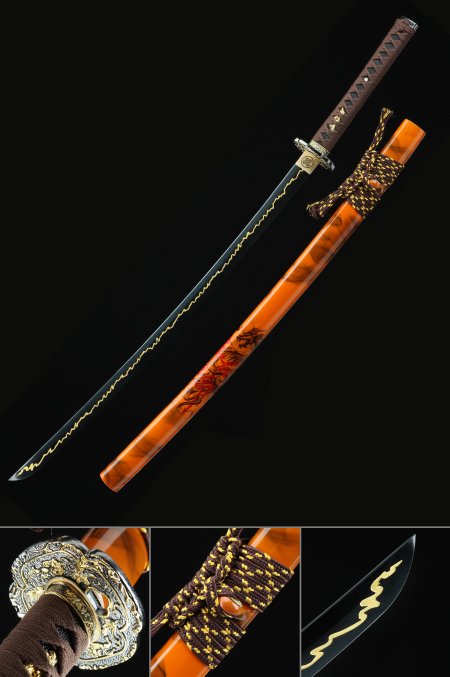
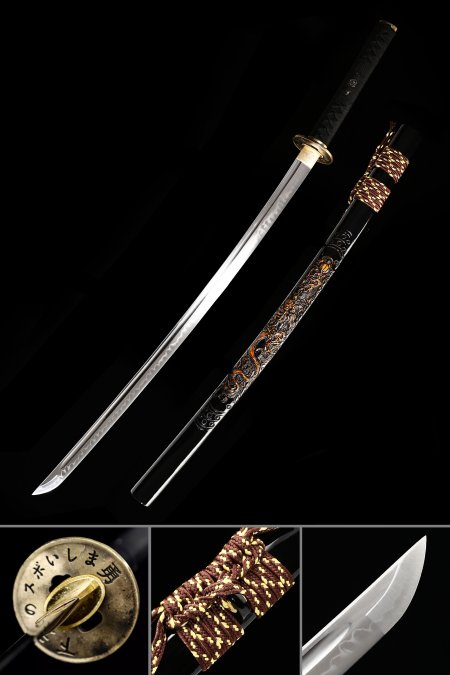
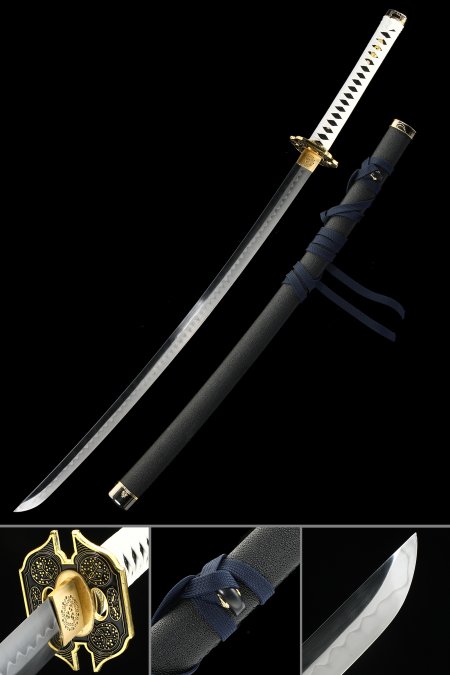
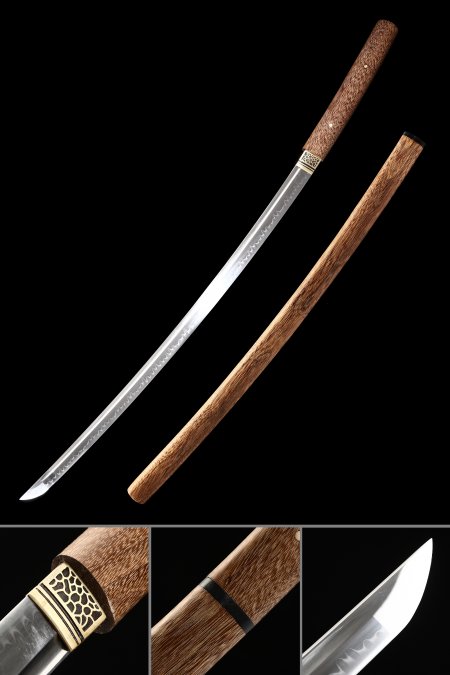
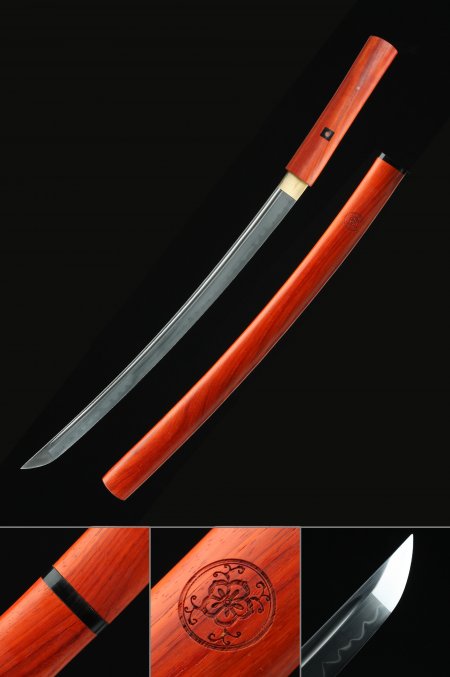
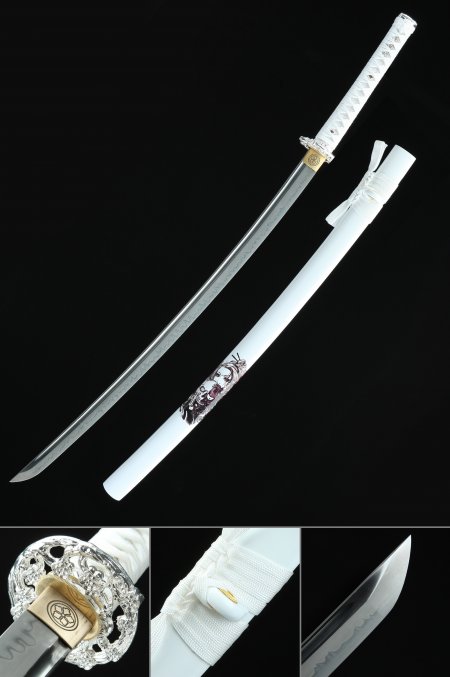
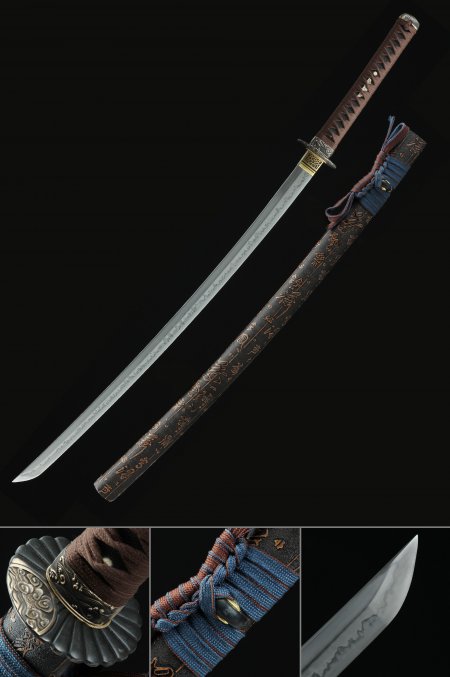
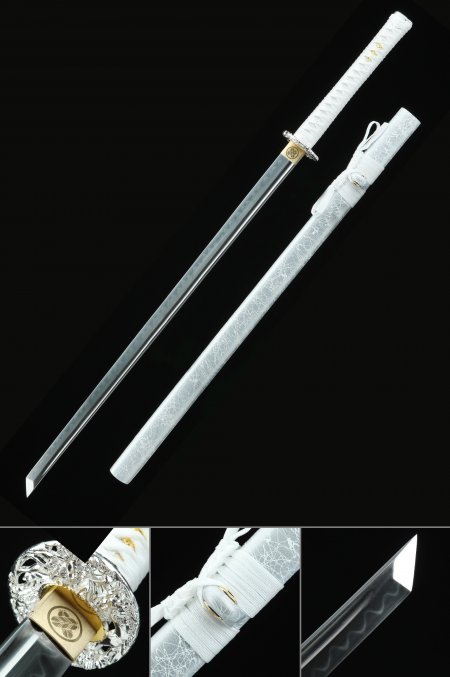
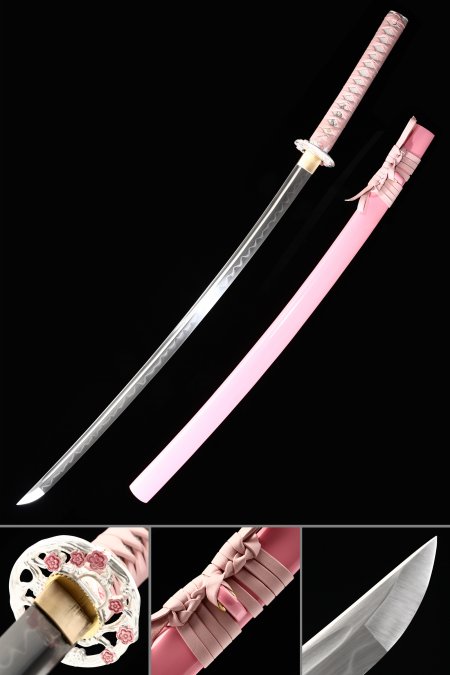
The most fundamental difference is the edge: aluminum iaito are manufactured with a deliberately rounded, unsharpened edge, making them collectibles and display pieces rather than cutting instruments. Beyond the edge, aluminum alloy is softer and lighter than high-carbon steel, so the blade flex and sound profile differ from a steel katana. Steel katana - particularly those made from T10 or 1095 high-carbon steel - carry a hamon (temper line) created by the clay-coating and quenching process, a feature unique to properly heat-treated steel that aluminum cannot replicate. For collectors, this distinction is important: an aluminum blunt katana excels as a display and cosplay piece, while a hand-forged steel katana represents a higher tier of metallurgical craftsmanship and historical fidelity.