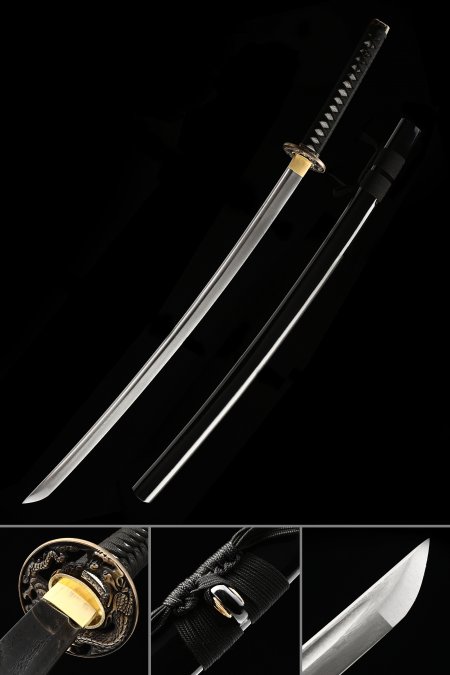
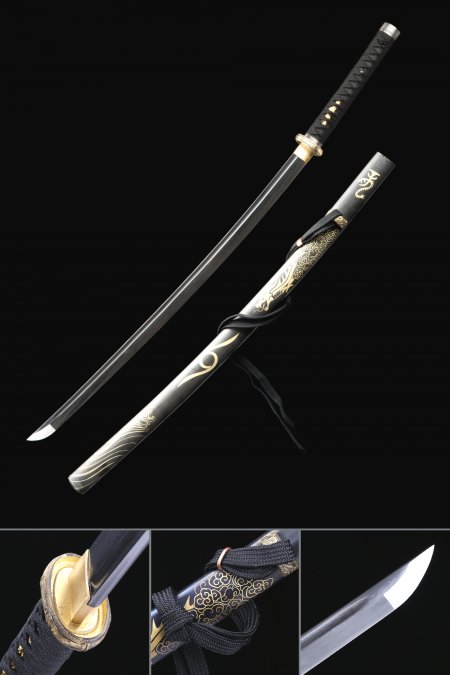
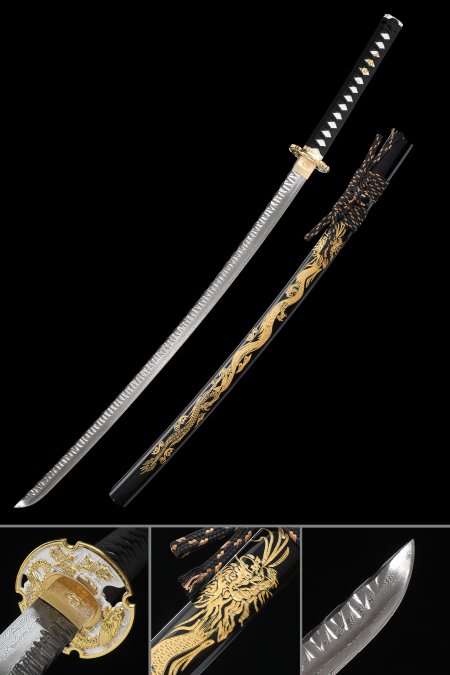
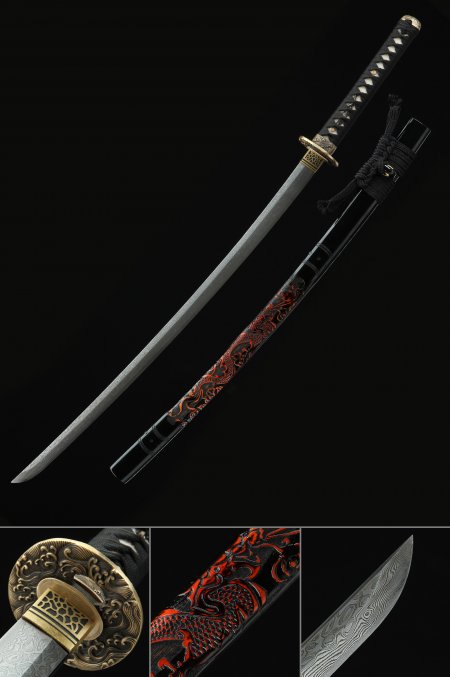
How does Damascus steel differ from 1095 carbon steel in these replicas?
Updated Mar 2026
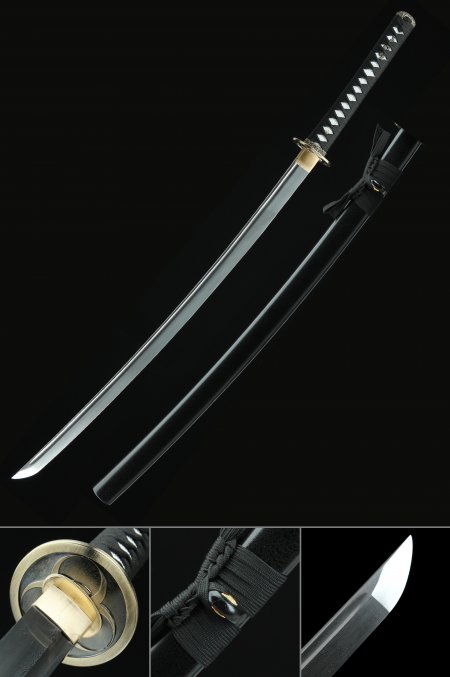
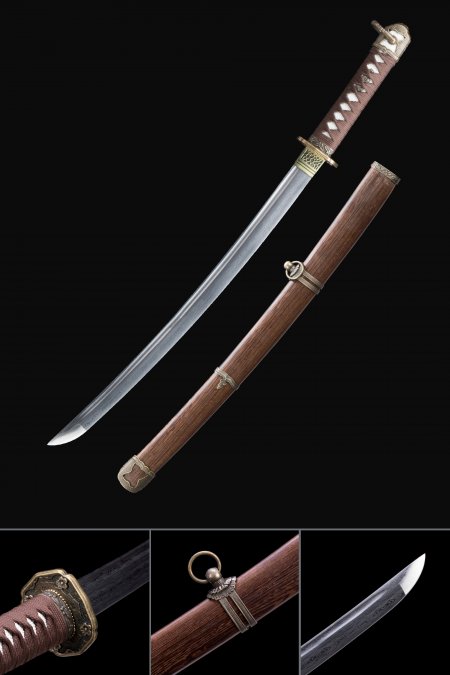
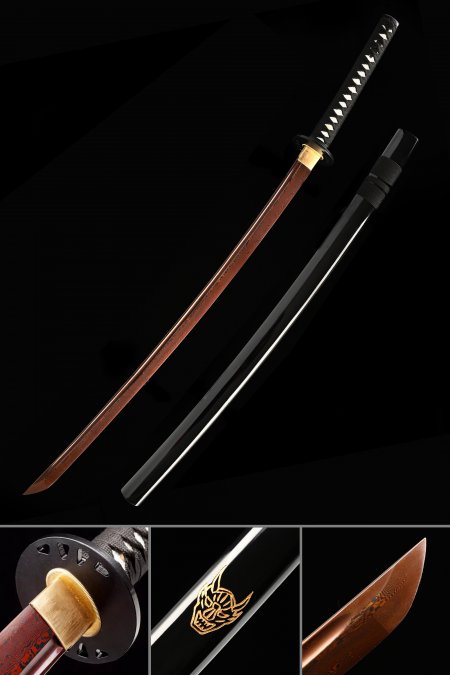
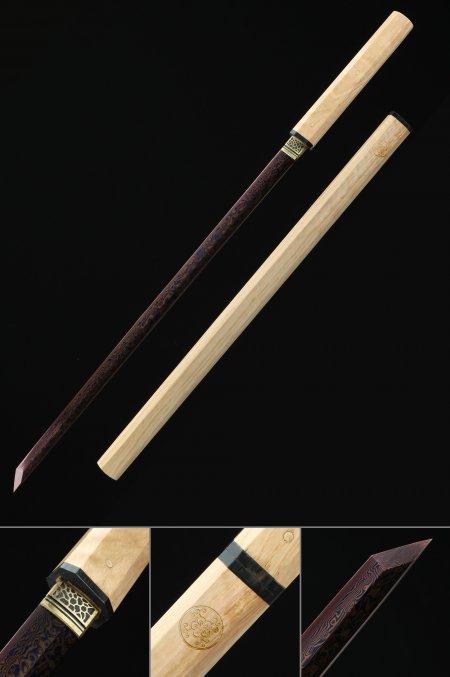
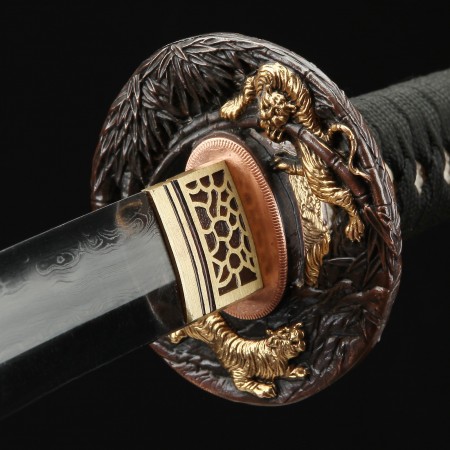
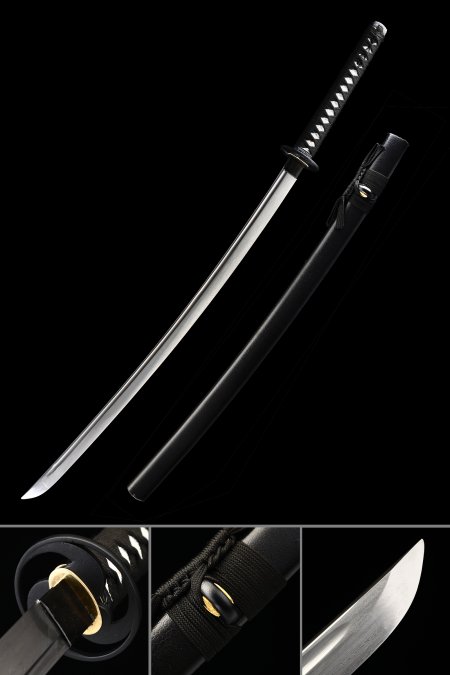
Damascus steel is produced by forge-welding and folding multiple layers of steel together, creating a blade with a distinctive wavy or flowing grain pattern visible on the surface. Each Damascus blade is visually unique, making it especially appealing for display collectors who value aesthetic individuality. The layer count and folding pattern influence both visual complexity and structural character. By contrast, 1095 high-carbon steel is a mono-steel alloy with approximately 0.95% carbon content, offering excellent hardness and edge retention. When differentially hardened, 1095 blades develop a clearly defined hamon — the temper line — that is highly regarded among purists for its traditional appearance. Both materials produce exceptional collectible pieces; the choice typically comes down to whether the collector prioritizes visual drama (Damascus) or classical Japanese blade aesthetics (1095 with hamon).